

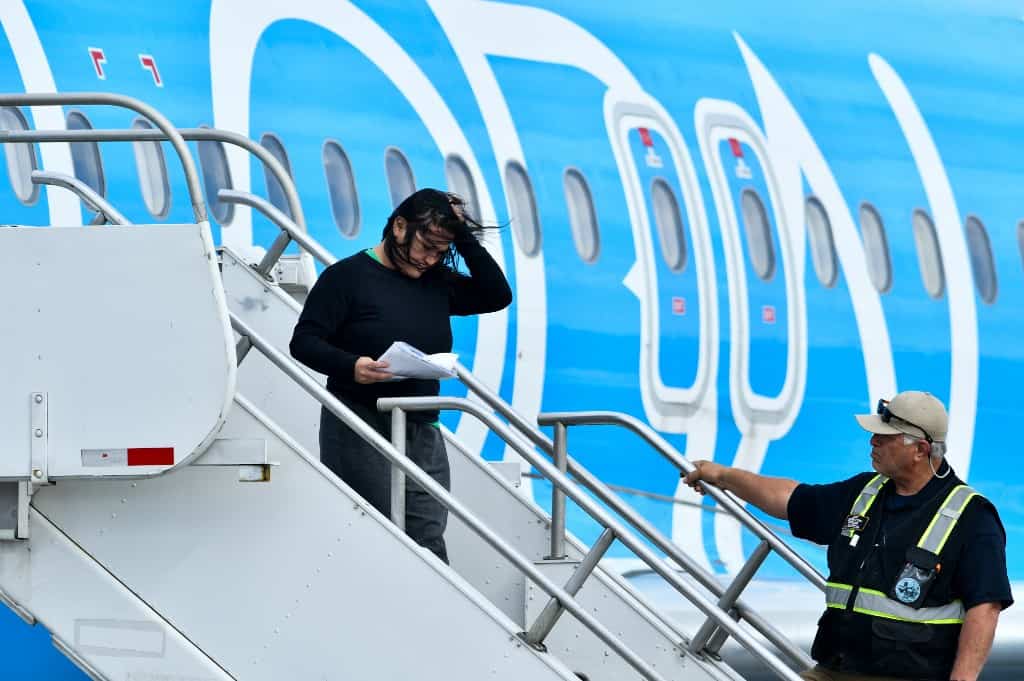
Eight of the 25 migrants deported from the United States to Costa Rica in the first flight under a new third-country agreement have told authorities they fear returning to their home countries, a development that could push several of them into Costa Rica’s asylum system just days after their arrival. Costa Rican immigration chief Omer Badilla said the group’s concerns are now being reviewed as the government weighs legal alternatives for those who do not want to be sent back.
Badilla said 16 of the deported migrants have expressed interest in returning to their countries of origin through the Assisted Voluntary Return program run with support from the International Organization for Migration. Eight others reported fear about going back, while one person left the hotel where the group is being housed. Costa Rican authorities said those who raised protection concerns will be given support and information on options to remain in the country legally.
The migrants who do not want assisted return include four people from Cameroon and one each from Kenya, Albania, India and China. The first group sent to Costa Rica under the agreement arrived last week and included people from Albania, Cameroon, China, Guatemala, Honduras, India, Kenya and Morocco. Costa Rican authorities said the group has been receiving lodging, food and other basic assistance with IOM support during its first days in the country.
The deportations are part of a migration agreement signed during a visit by U.S. envoy Kristi Noem. Under the arrangement, Costa Rica can receive up to 25 deportees a week, with U.S. financial backing and Costa Rica retaining the right to accept or reject each case. The Costa Rican government has said deportees are to be processed under local migration law and that the country will not return people to places where they could face persecution.
Even so, the deal is already drawing criticism from migrant rights advocates. Refugees International said this week it is concerned that some of those sent to Costa Rica may be asylum seekers who were never given a fair chance to present their cases in the United States, or people who cannot safely return home. The group also warned that Costa Rica may struggle to provide clear legal guidance and asylum processing in languages other than Spanish.
The issue carries extra weight because Costa Rica has already faced backlash over its handling of a previous group of deportees sent from the United States last year. In that case, 200 migrants were transferred to Costa Rica, and months later authorities granted 85 of them special status allowing freedom of movement after criticism over their confinement and treatment. That earlier episode has become a point of reference for what may happen if more of the newly arrived deportees refuse return and instead seek protection in Costa Rica.
For now, Costa Rica is trying to present the process as orderly and humanitarian. But the first real test of the new agreement may not be the arrival of deportation flights. It may be what happens next for the people who say going home is not a safe option.





