

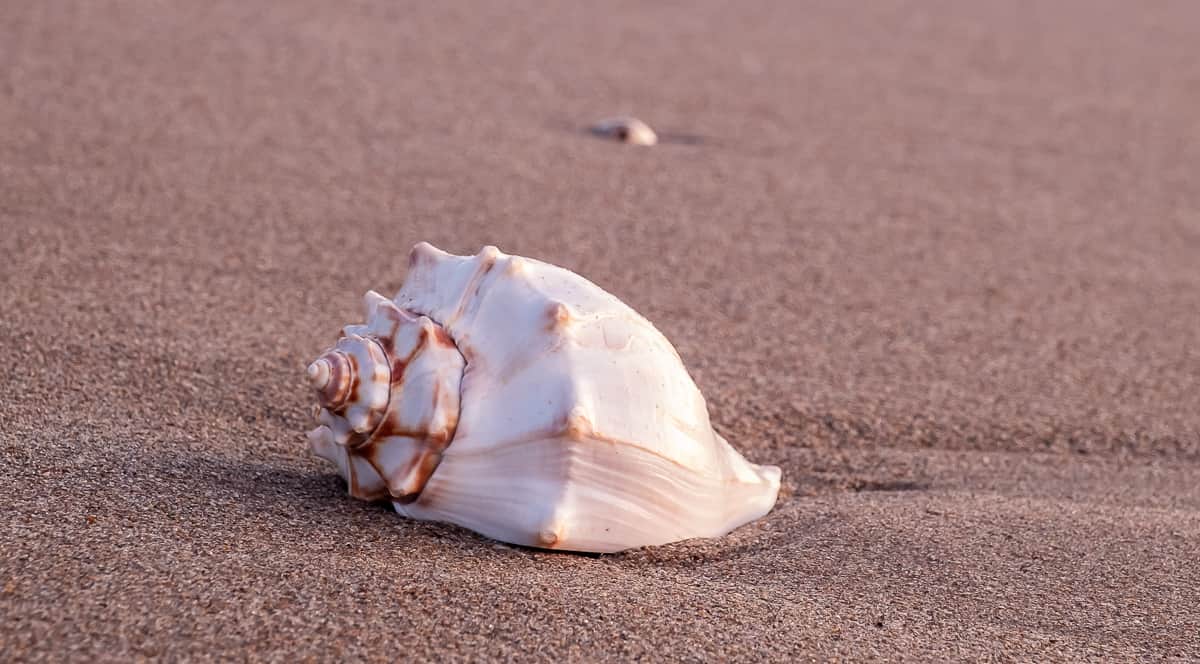
A silent crisis is unfolding on Costa Rica’s coasts, threatening the natural wealth that defines the nation as an ecological paradise. The massive extraction of seashells, fueled by local and international tourism, is wreaking havoc on marine ecosystems. This often-overlooked practice disrupts the delicate balance of beaches, critical habitats for species that support biodiversity and sustainable tourism.
The consequences are severe and far-reaching. As shells are removed, erosion accelerates, leaving beaches structurally unstable and increasingly vulnerable to extreme weather and rising sea levels. Marine habitats suffer as seashells, crucial for forming calcareous structures supporting organisms like corals, disappear—putting entire ecosystems at risk.
Hermit crabs, which rely on shells for shelter, are declining, particularly in areas like Puntarenas, disrupting local food chains. Additionally, the removal of shells exacerbates ocean acidification, depleting vital nutrients like iron and nitrogen. These changes hinder marine species’ reproduction and ability to form calcium carbonate skeletons, threatening biodiversity.
In 2023 alone, over five tons of shells were seized at Juan Santamaría and Daniel Oduber airports. Without the resources to determine their origin—Pacific or Caribbean—many shells are buried, sidelining their ecological value. This classification challenge requires specialized biologists, months of work, and significant resources, leaving thousands of shells in storage or discarded.
Innovative Solutions Offer Hope
Recognizing the gravity of this issue, FIFCO and its Imperial brand, in collaboration with MINAE-SINAC, AERIS, and the University of Costa Rica, have launched a groundbreaking initiative. At the heart of their efforts is an artificial intelligence (AI) application developed by FIFCO.
This AI tool uses a database of 18,500 shell images, contributed by over 200 volunteers, to identify whether shells belong to the Pacific or Caribbean with over 90% accuracy. Already, the technology has classified 36,000 shells, a process that would have taken years using traditional methods.
For the first time, confiscated shells are being returned to their natural environments. In a single day, all shells seized over the past year were restored to the sea, where they can once again play a vital role in their ecosystems. This achievement marks a turning point in Costa Rica’s approach to marine conservation.
“We call upon you to enjoy wildlife in its natural habitats and not to extract shells from our coasts. Each species plays a fundamental role in maintaining ecological processes that ensure the quality of life for present and future generations,” said Franz Tattenbach, Minister of Environment and Energy.
The initiative underscores the importance of sustainable tourism and collective responsibility in preserving Costa Rica’s unparalleled biodiversity. As the country faces mounting environmental challenges, efforts like these provide hope for the future of its ecosystems.





