

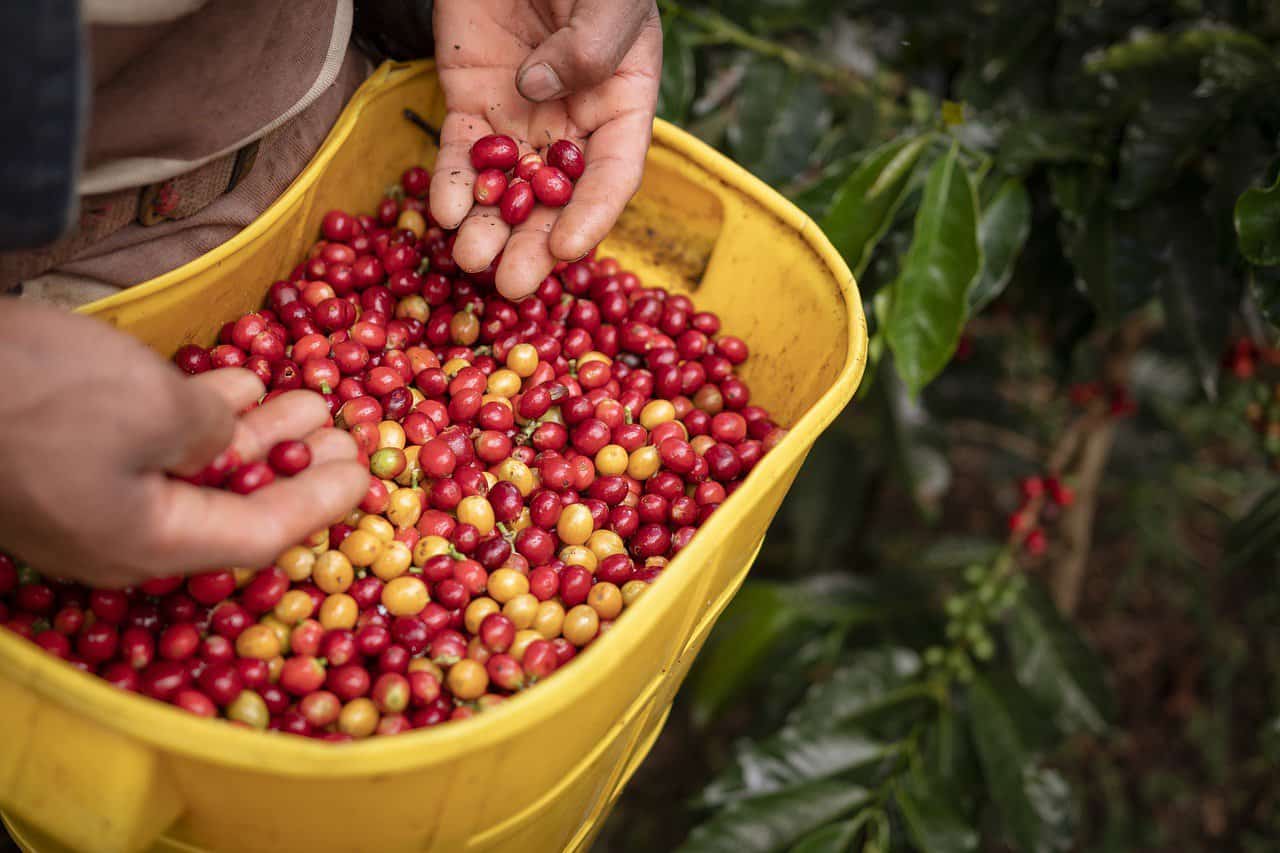
The coffee plantation area of Los Santos, in Dota, could become an Agricultural World Heritage Site, according to the United Nations Food and Agriculture Organization (FAO). This announcement came during a meeting between Costa Rica, Spain, and Honduras, focusing on the conservation and future of traditional agricultural systems worldwide.
The FAO’s Globally Important Agricultural Heritage System (GIAHS) recognizes landscapes that integrate food production with rural life. The program evaluates combinations of biodiversity, resilient ecosystems, and the balance of tradition and innovation.
“The GIAHS sites represent agricultural systems that showcase diverse uses of agricultural biodiversity and sustainable agriculture. They deserve recognition as heritage for their commitment to protecting, conserving, and transmitting traditions using a holistic approach. This involves all stakeholders and is based on the ancestral knowledge and experience of local communities,” commented Andrea Padilla, FAO Costa Rica representative.
Twenty-six countries have already obtained this distinction, including the chinampas of Xochimilco in Mexico, the vineyards of Italy, and the olive fields of Spain. The work agenda in the canton of Dota will focus on historical and cultural elements, rural community tourism, landscaping, and best practices.
“In Costa Rica, we are focused on presenting the canton of Dota and its coffee cultivation as a candidate to be the first GIAHS area,” said Vice Minister of Agriculture and Livestock, Fernando Vargas Pérez. The Spanish ambassador, Eva Martínez, acknowledged Costa Rica’s potential to receive this recognition.
“Because of its trajectory, Costa Rica is an ideal candidate to join the small group of Latin American countries that the FAO has already recognized for these landscapes,” she noted. The Jamastran Valley in Honduras is also being considered for GIAHS recognition due to its rich agricultural tradition.
“In Costa Rica, Honduras, and Spain, various agricultural production systems hold incalculable value due to their unique characteristics and tangible and intangible heritage. These systems need protection as they are fundamental to development, the economy, and food security in the communities,” stated the Adelante 2 organization, which organized the meeting between the countries.





