
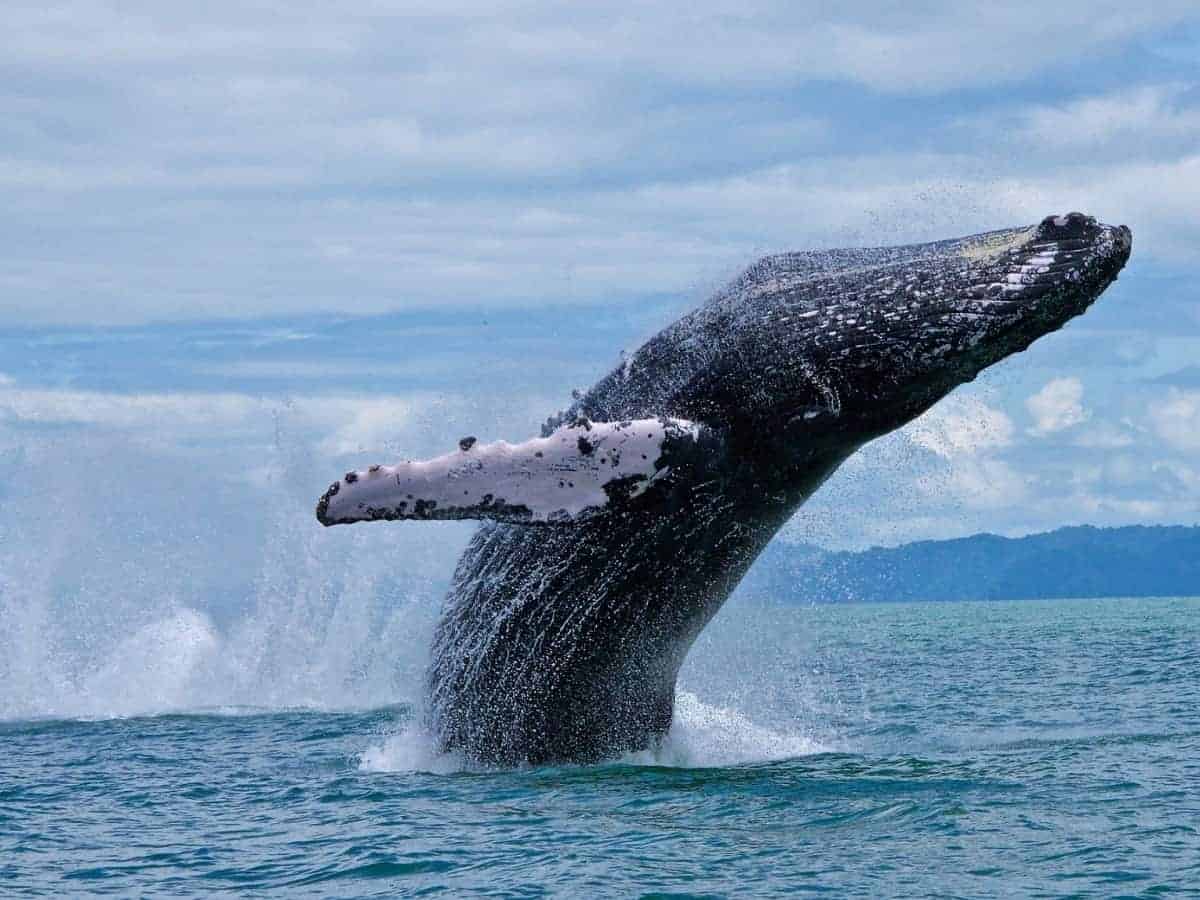
In a remarkable display of nature’s beauty, rare footage captured by the Macuaticos Foundation has revealed a trail of milk dispersing in the Pacific off Colombia’s coast as a whale calf separates from its mother after nursing. This intimate moment, recorded last August, marks only the third time such a feeding event has been documented, providing valuable insights for humpback whale conservation.
Biologist Natalia Botero, part of the team behind the footage, emphasized the significance of this footage for scientific understanding and conservation efforts during the first public presentation of the video in Medellin.
Lactation recordings among humpback whales have proven to be incredibly elusive, despite the dedicated efforts of researchers over the years. By shedding light on this rare behavior, the footage represents an important milestone not only from a scientific standpoint but also for the conservation of these majestic creatures.
The team used non-invasive sensors, including a camera, GPS, and a device to capture the sounds made by the whales, which were attached to the calf’s back for a short period to ensure the whale’s safety.
After months of feeding in the frigid waters of the Antarctic Peninsula and the Strait of Magellan in Chile, thousands of humpback whales undertake a long journey to the warmer tropical waters to breed along the Pacific coastline from Costa Rica to Peru.
From June to November, the waters off Colombia serve as a vital breeding ground for these giant cetaceans, known for their impressive size, reaching up to 17 meters in length and weighing approximately 40 tons. Despite the protection they now enjoy from commercial hunting, humpbacks still face various threats in their natural habitats.
Botero stresses that a deeper understanding of humpback whale behavior is crucial for implementing effective conservation actions. By studying these magnificent creatures, researchers can advocate for measures that safeguard their populations.
Encouragingly, the International Union for Conservation of Nature reports a rise in humpback whale numbers, reflecting the positive impact of conservation efforts thus far. The rare footage of the nursing humpback whale calf serves as a reminder of the awe-inspiring nature of these creatures and the need to continue working towards their preservation.