

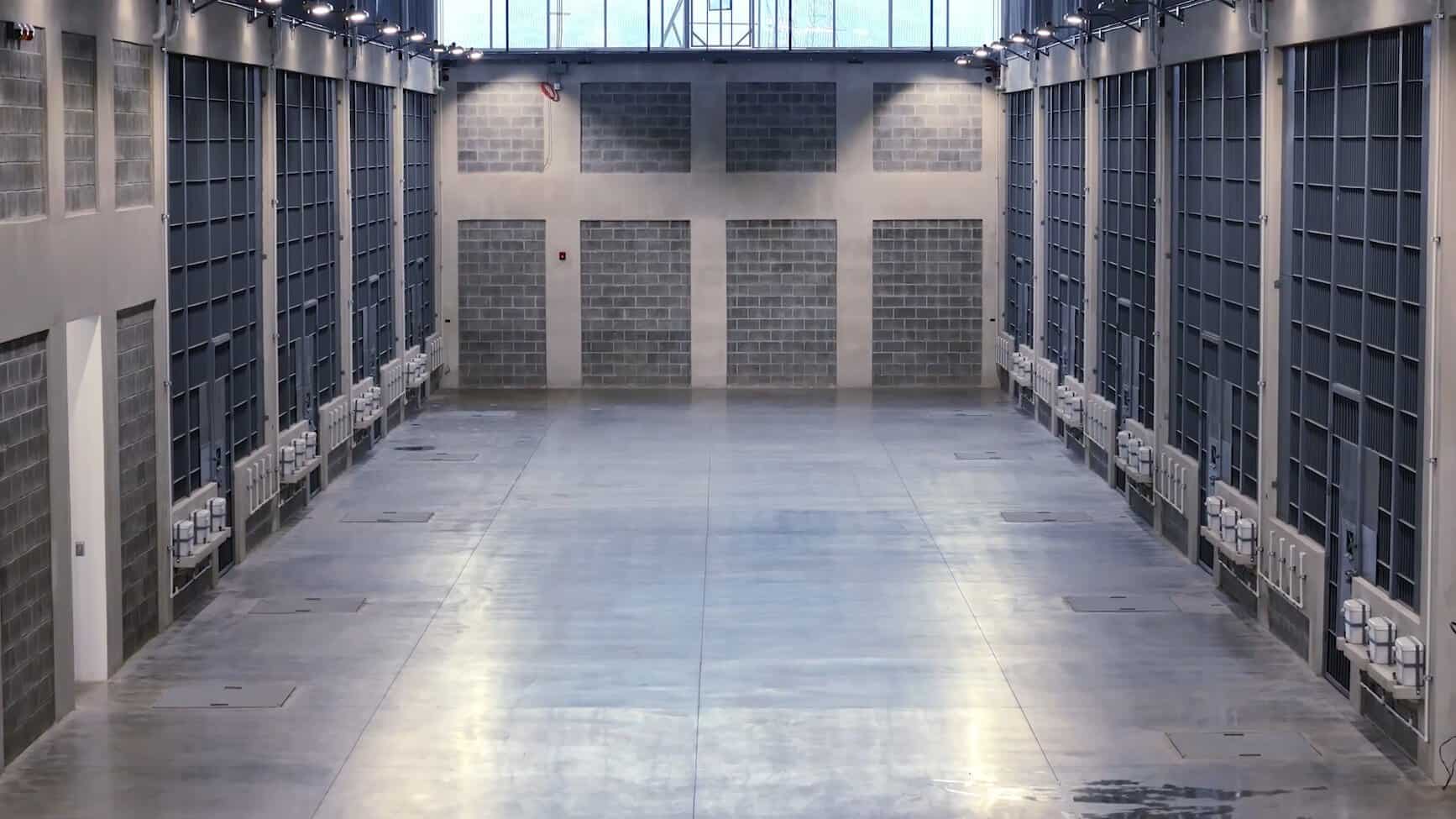
A prisoners’ rights group has asked Costa Rica’s Constitutional Court to stop inmate transfers to the newly inaugurated CACCO prison, saying concerns about heat, security and medical care should be addressed before prisoners move in. The Asociación Ayudando a los Privados de Libertad y sus Familias filed the complaint on the 14th, the same day President Laura Fernández inaugurated the maximum-security facility at the La Reforma prison complex in San Rafael de Alajuela. The group wants transfers put on hold while the court reviews its concerns.
The challenge adds a new complication as the government prepares to fill the 5,100-person prison. The first transfers are planned for later this month, with the process expected to continue through December. The complaint is a recurso de amparo, a request for the court to protect basic rights. It has been reported that the Constitutional Court, known here as Sala IV, has taken up the case. That is not the same as an order stopping transfers, and no such order was confirmed in the reporting reviewed for this article.
One of the group’s main concerns is the possibility of placing members of rival criminal organizations in the same prison blocks. It argues that doing so could lead to fights and put inmates’ lives at risk. The association also questions whether the prison will have enough guards and medical staff for its planned population.
It alleges that some areas lack security cameras and that bathrooms and showers do not provide enough privacy. Those allegations have not been established as findings by the court. Heat is another issue raised in the complaint. The association says temperatures inside the enclosed housing units could reach 38 to 40 degrees Celsius, about 100 to 104 degrees Fahrenheit.
It warns that such conditions could be especially dangerous for inmates with existing health problems. Those figures are the group’s estimates, rather than independently verified temperature readings. Government officials have described CACCO as a facility designed to prevent criminal leaders from continuing to direct illegal activities from behind bars. Justice and Peace Minister Gabriel Aguilar has said it will use video surveillance, around-the-clock electronic monitoring and strict controls on entry and exit.
Prison system director Lucrecia Tejada has also given a different staffing figure from the one cited in the complaint. She said the initial operation would involve about 30 administrative employees and more than 160 prison officers. The association had cited 10 administrative employees and 160 officers when questioning staffing levels.
The dispute comes as Fernández is scheduled to visit El Salvador from October 16 to 18, with plans to meet President Nayib Bukele and tour CECOT, the Salvadoran prison that inspired CACCO’s design. Her stated aim is to learn more about how that prison operates now that Costa Rica has completed its own facility.
For now, the association is asking the court to intervene before the transfers begin.





