
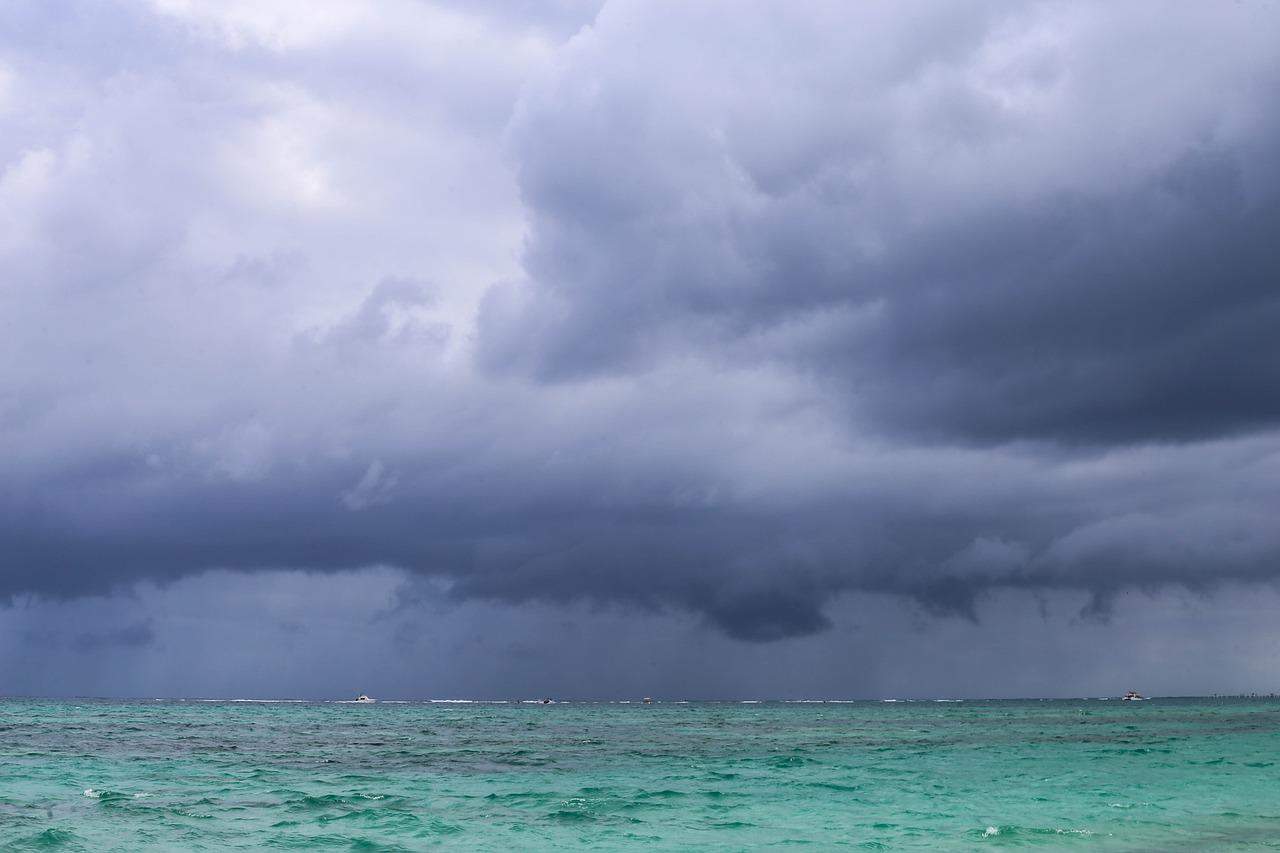
As previously announced, Tropical Storm Bonnie affected the country in the early hours of the morning. Therefore, the government and other institutions were forced to take several measures to mitigate the impact.
The U.S. National Hurricane Center warned about the risk of heavy rains, flooding, and landslides in Costa Rica and Nicaragua.
“The rains are expected to cause life-threatening flash floods and landslides,” The U.S. National Hurricane Center.
In response to this situation, the Costa Rican Court suspended operations in the offices of San Carlos, Upala, Los Chiles, La Cruz, Sarapiquí, Guatuso, Liberia, Guácimo, Pococí, Siquirres and Matina.
“The permanence of detainees in the cells of the judicial offices should be evaluated according to the risk, and if transfers are required, the corresponding coordination should be made,” said the Judicial Authority.
On the other hand, the Parque de Diversiones (Amusement Park) in Uruca, San José, decided to close its doors this Friday and Saturday.
“Parque Diversiones will reopen its doors normally as of Sunday, July 3,” they informed.
Likewise, the Costa Rican Electricity Institute has closed some electricity and telecommunications agencies located in at-risk areas.
Front-line emergency authorities remain in the areas that have suffered the brunt of the storm, assisting people in the affected communities and carrying out the necessary evacuations.
The National Meteorological Institute (IMN) and the National Emergency Commission (CNE) called on the population to be informed through official sources and the mass media.
Downpours were registered in the Central Valley, in some areas heavier than others. In Limón, heavy cloudiness persists, but no significant rainfall was reported.
For the red alert zones, it is recommended to maintain vigilance and caution in all areas close to rivers or streams prone to flooding, avoid going out or driving, and follow recommendations issued by the Municipal Emergency Committees and the authorities.