

A National Geographic Traveller feature has put international attention on Yorkín, a Bribri community in the Talamanca Mountains of southeastern Costa Rica, and on the women-led association that has spent more than three decades building a local economy around cacao.
The article, written by Amelia Duggan with photography by Andrew Reiner, appeared in the magazine’s June 2026 issue and was published online on May 24. It is the product of a reporting visit supported by a British tour operator, and it frames Yorkín as a place whose agricultural practice predates — and arguably prefigures — Costa Rica’s better-known environmental turn.
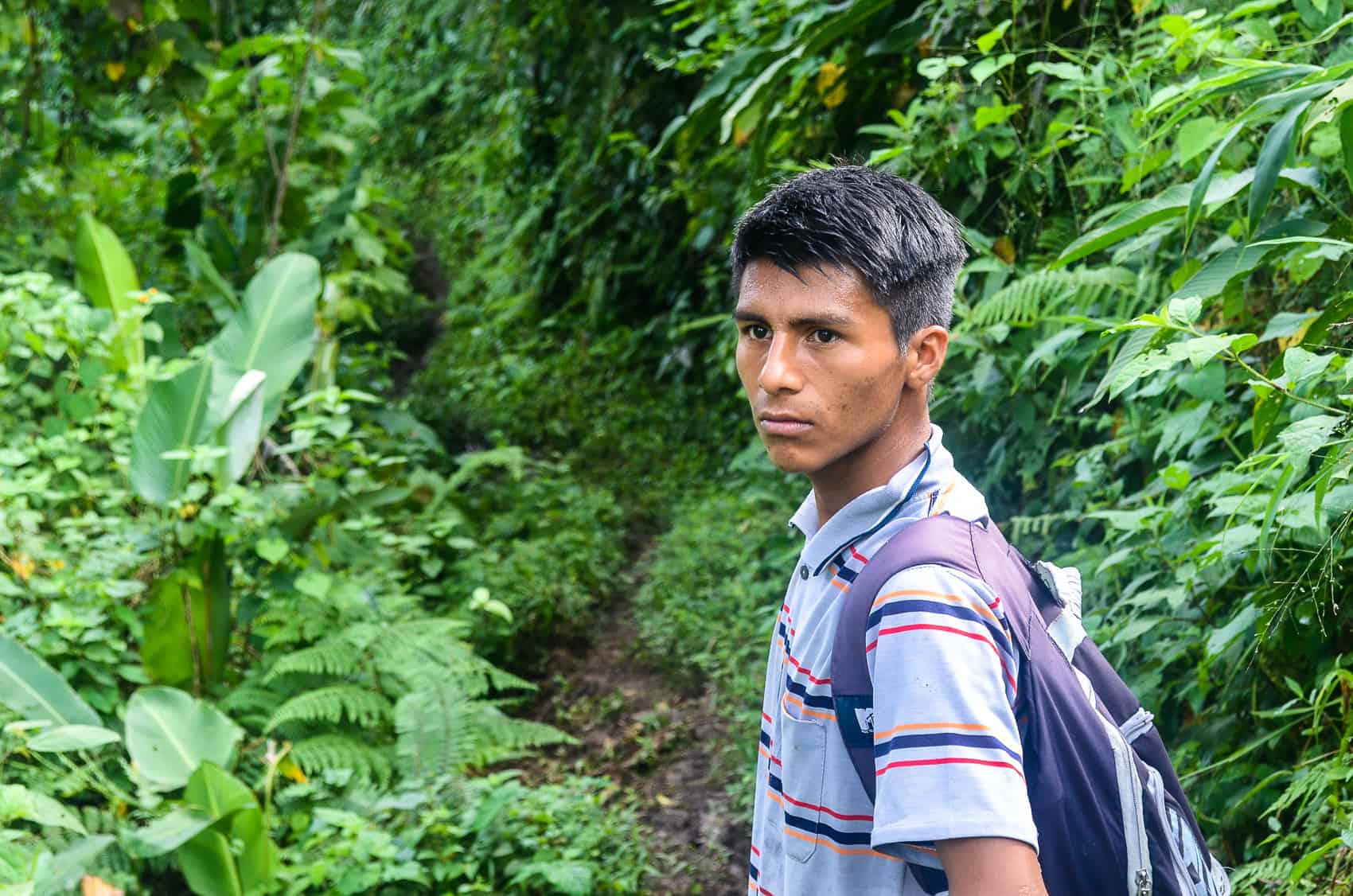
Yorkín sits near the Panama border and is reached by canoe up the river that shares its name. The magazine describes a nine-metre (30-foot) wooden boat poled over shallow rapids, with the forest closing in on both banks until a muddy path reveals houses on stilts under palm-thatched roofs.
About 350 people live there. It is one of 33 Bribri communities in the region, and the writer’s guide put the official national figure at roughly 17,000 Bribri, adding that the true number is higher because many go uncounted.
At the center of the village stands an open-sided wooden lodge, the headquarters of Stibrawpa. The association was founded in 1992 after fungal disease tore through Costa Rica’s cacao crop, at a point when many local men were leaving to take work on banana plantations where pesticide use was heavy.
The women who stayed organized community-based tourism as a way to hold the village together economically. Its current president, Deysi Pitterson, told the magazine the association works toward three ends — protecting biodiversity, strengthening the local economy, and increasing the community’s independence.
That independence is measurable as roughly 70 percent of what Yorkín consumes is grown in Yorkín, including bananas, beans, and cacao. Cacao’s place in Costa Rica is older than the crop most people associate with it. It thrives in Costa Rica’s lowlands and was the leading export before coffee overtook it during the 19th century, and long before either was a commercial product it held sacred standing in Indigenous practice.
The magazine followed the harvest from the tree forward. Ripe pods are split by hand to reveal beans coated in a white pulp the writer compared to lychee, and the guide was blunt that no machinery is involved at any stage.
The beans ferment for five days in wooden boxes, then dry in the sun before roasting. Back in the long house, a resident named Noé Morales demonstrated the last steps, crushing roasted beans with a stone pestle, winnowing off the husks, and feeding the nibs into a hand-cranked press that produces a thick, glossy paste.
Morales described the result as “medicine,” listing properties he attributes to it and calling its consumption a gift from the land. His framing is cultural rather than clinical, and the magazine presents it as such.
The feature closes by placing Yorkín inside a larger argument about how Costa Rica’s environmental recovery actually happened. Credit for that recovery usually goes to policy decisions and the growth of ecotourism in the late 20th century, both of which earned it — but the piece points out that communities in Talamanca were already living according to a detailed working knowledge of forest ecosystems long before any of it was national strategy.
For anyone wanting to see the process firsthand, the magazine lists day tours to Yorkín departing from Bambú in Limón from $184 per person. Bambú is about an hour’s drive from Puerto Viejo on the Caribbean coast.
What comes through most clearly in the reporting is how little separation exists in Yorkín between the crop, the household, and the forest. Cacao is food, income, ceremony, and land management at once, and the village’s near-invisibility from the river is less an accident of geography than a description of how it has managed to persist.





