

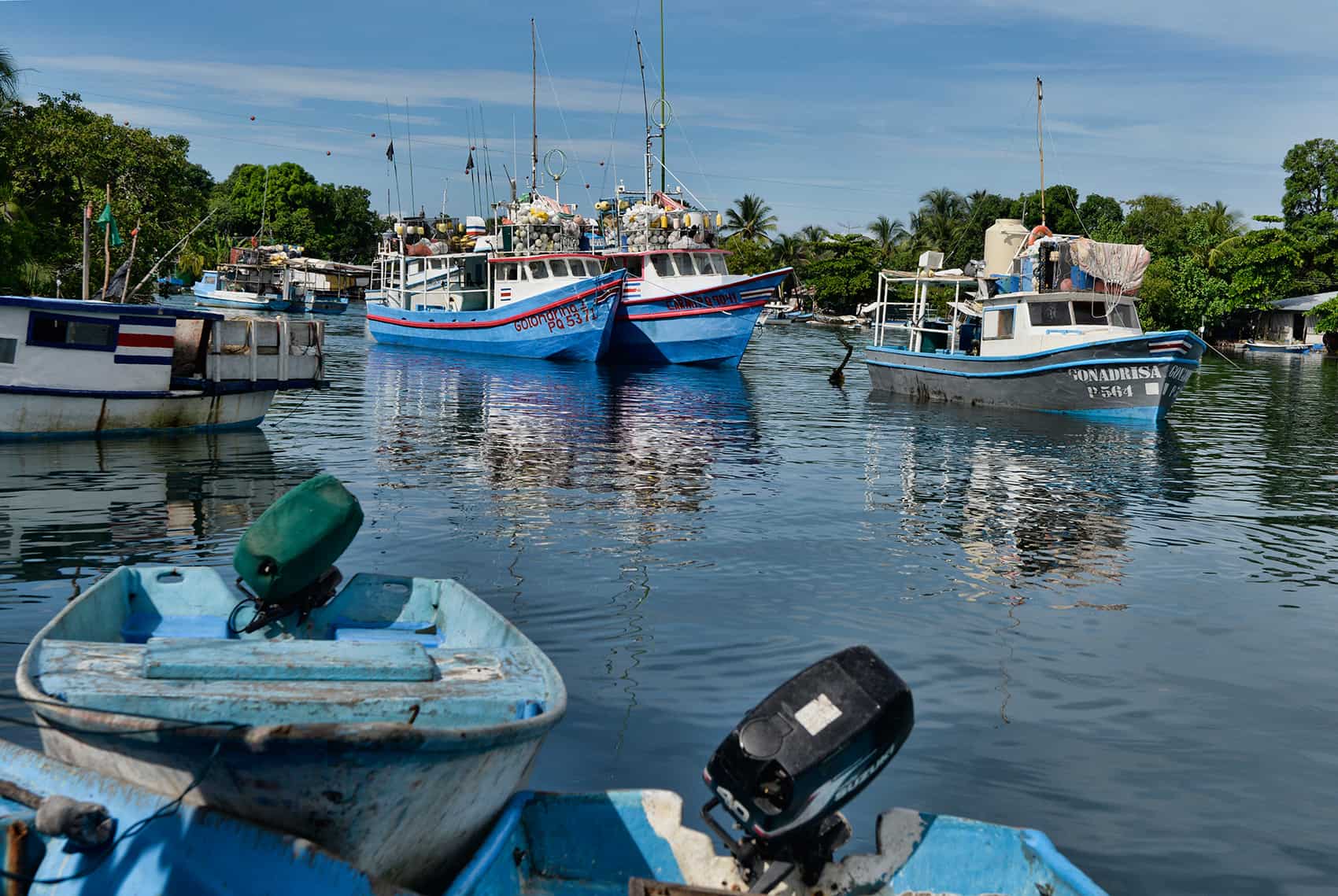
Costa Rica’s reputation as a green leader is facing new pressure after a 2026 U.S. fisheries report identified the country for failing to properly monitor part of its longline fishing fleet in the eastern Pacific.
The report points to Costa Rican longline vessels operating in the area managed by the Inter-American Tropical Tuna Commission, known as IATTC. It says Costa Rica failed to meet observer coverage requirements in 2022, 2023 and 2024.
Those rules require countries to ensure that at least 5% of fishing activity by longline boats larger than 20 meters (66 feet) includes a scientific observer. These observers collect information on catch, fishing activity and interactions with non-target species such as sea turtles, seabirds and sharks.
The U.S. report says Costa Rica did not ensure that level of coverage. It also says it had no national onboard observer program in place by the end of 2024 and had not provided required observer reports or operational data to IATTC for at least five years.
The finding does not mean Costa Rica faces immediate sanctions. It does, however, open a consultation process with the United States. Costa Rica will be expected to show that it has corrected the monitoring gaps and is meeting its obligations. If it does not do so, it could later receive a negative certification. That can lead to consequences for certain fishing boats, including possible denial of U.S. port access and restrictions affecting some fish products.
The issue comes at an awkward moment for Costa Rica, which has spent decades promoting itself internationally as a country built around conservation, biodiversity and sustainable tourism. That image remains one of the country’s strongest global brands, especially with visitors drawn by national parks, marine life and wildlife protection.
Longline fishing cuts into that image because the method can affect protected marine species. Without independent observers or electronic monitoring, authorities have less reliable information on what vessels catch, what they discard and how often they interact with vulnerable species.
The report says Costa Rica told the tuna commission in July 2024 that it had 21 longline boats over 20 meters (66 feet), eight of which had fished during the previous year. Costa Rica said it had been unable to implement an onboard observer program because of vessel size, continuous work schedules and national rules on working hours.
There has been some movement since then. Costa Rica has said it is working on a pilot plan using both human observers and electronic monitoring, with the goal of meeting the 5% observer requirement. The 2025-2030 fisheries development plan also includes work on a monitoring system tied to landings and onboard observers.
Still, the U.S. finding makes clear that plans on paper will not be enough. Costa Rica will need to show functioning oversight at sea, regular reporting and reliable data collection from its longline fleet. The case also adds to a larger challenge for Costa Rica’s environmental standing. The country remains widely respected for forest recovery and land-based conservation, but marine protection and fisheries enforcement have often proven harder to manage.
For now, Costa Rica has a chance to correct the problem before the issue escalates. The test will be whether its fishing authorities can turn pilot programs and policy language into a working system that tracks what happens beyond the dock.





