
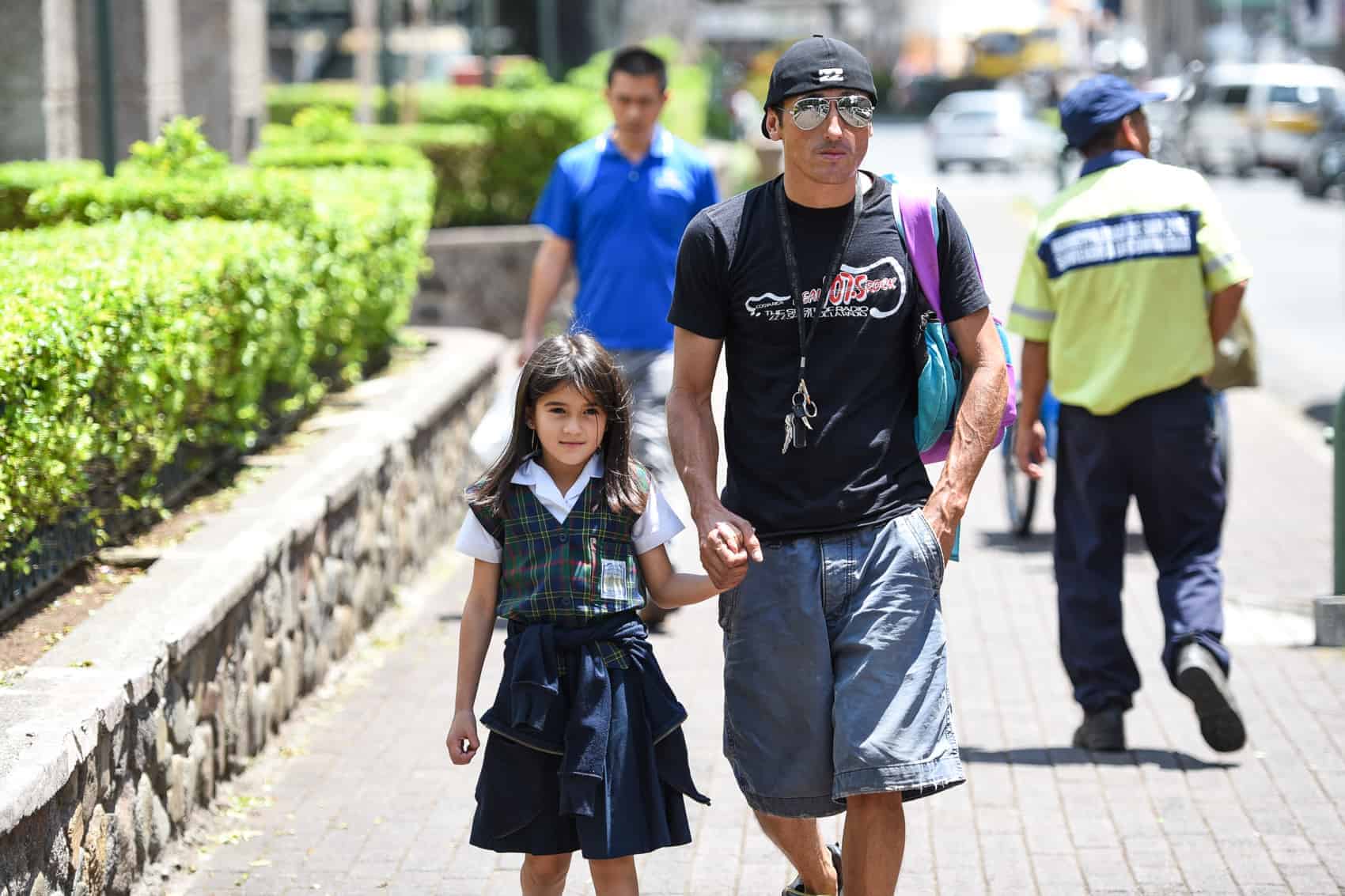
Costa Rica celebrates Father’s Day today and anyone who spent August here will notice the difference immediately: the third Sunday of June arrives with a fraction of the fervor our country pours into Día de la Madre (Mother’s Day). That gap is not an accident of the calendar. It is a window into how a historically machista society has spent the last quarter-century renegotiating what fatherhood is supposed to mean.
For generations, the contrast was stark. Motherhood here in Costa Rica is near-sacred, fused with Catholic devotion to the Virgin Mary and a national holiday on August 15. Fatherhood, by comparison, went culturally under-defined — celebrated warmly within families through the affectionate language Ticos reserve for a dad, the viejo or the papá, but rarely elevated to the same civic pedestal.
The most consequential reckoning came not from a greeting-card tradition but from the law. Before Costa Rica’s Responsible Paternity Law took effect in 2001, roughly a third of children born in the country were registered without a declared father — about 31% by 2000, up from around 21% in the late 1980s. On official records, these children were stamped with the word desconocido, “unknown.” The law replaced that term with the less stigmatizing “father not declared,” and, more importantly, built a fast administrative path for establishing paternity, backed by free, state-funded DNA testing through the public health system.
The effect was dramatic and almost immediate. The share of births registered without a declared father fell to roughly 8% within a year, and the country was widely cited as a regional pioneer. In the great majority of contested cases that went to genetic testing, the results confirmed the named man as the father — turning what had once been a matter of a mother’s word against a man’s denial into a question of science.
The story since then is more complicated, which is part of why it remains culturally alive. The figure crept back upward over the following years, reaching the high single digits again by the early 2020s, and the law’s original champions have warned publicly that reduced state funding for the testing program could erode one of the country’s signature social achievements. Fatherhood here, in other words, is still treated as something the state and society actively maintain, not something they take for granted.
That same impulse shows up in newer debates. Costa Rica has moved to let parents choose the order of their children’s surnames rather than automatically privileging the father’s, and lawmakers continue to push to extend paid paternity leave for private-sector fathers, who currently get just over a week, toward the month already granted to public employees. The throughline is a slow cultural shift from fatherhood as a name on a document toward fatherhood as presence and shared care.
For those new to our country or just visiting, that backdrop reframes the quiet of the day. The relative modesty of Costa Rican Father’s Day is not indifference. It reflects a culture that, rather than romanticizing dads for an afternoon, has spent decades doing the less sentimental work of defining what it actually expects of them. The celebration itself stays low-key and familial: a Sunday lunch, an asado, the homenajeado at the head of the table — a father who, increasingly, the country expects to show up the other 364 days too.