
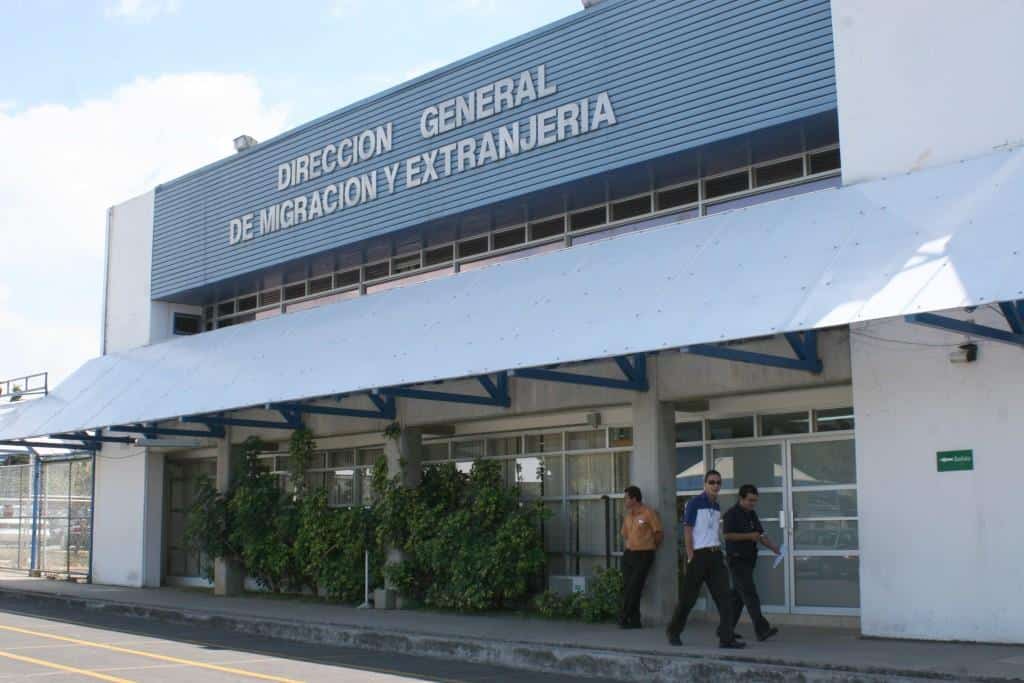
For many foreigners planning to live in Costa Rica, the residency process in 2026 has required one essential quality: patience.
Applicants are currently facing delays at two major stages of the immigration process. First, many residency applications are taking months — and sometimes years — to be reviewed by Costa Rica’s immigration authority, the General Directorate of Migration and Foreign Affairs (DGME). Then, even after approval, many residents must wait again for the issuance of their DIMEX card, the official identification document for foreign residents.
For expats, retirees, remote workers, investors, and families relocating to Costa Rica, these delays can affect much more than paperwork. The DIMEX card is often required for banking procedures, driver’s licenses, contracts, healthcare registration, and other everyday transactions.
Why Are Costa Rica Residency Applications Taking Longer?
Residency processing delays are not entirely new in Costa Rica, but they have become significantly more noticeable in recent years.
In late 2025, reports indicated that Costa Rica’s immigration system had accumulated a backlog of approximately 38,000 pending residency applications, with some applicants waiting 14 to 18 months — or longer — for a final decision. Depending on the residency category and the complexity of the case, some applications in 2026 may still take between 12 and 24 months to be resolved.
The backlog has also affected DIMEX card issuance. Temporary residents may experience waits of several months after their documentation appointments, while permanent residents and applicants under special immigration categories may face even longer processing times.
Costa Rica’s immigration authorities have publicly acknowledged the situation. In Resolution DJUR-0045-02-2026-JM, the DGME cited several causes for the delays, including operational overload, staffing limitations, incomplete applications, and administrative bottlenecks within the public sector.
What Is Costa Rica Doing to Reduce DIMEX Delays?
To help address the backlog, the DGME implemented temporary administrative measures aimed at simplifying certain DIMEX procedures and accelerating document review.
As part of those efforts, immigration officials have focused on reviewing only the essential post-approval requirements in pending cases, including:
- proof of CCSS registration when applicable,
- government fee payments,
- informed consent documentation,
- and category-specific immigration requirements.
The scale of the backlog remains considerable. According to information released to local media earlier this year, more than 20,000 DIMEX applications were still pending review and issuance as of February 2026.
There have, however, been signs of improvement. By April 2026, immigration authorities reported a substantial reduction in pending DIMEX cases and the validation of tens of thousands of applications. Even so, processing timelines had not yet fully returned to normal.
Costa Rica has also sought external institutional support. In March 2026, the DGME signed an agreement with Banco de Costa Rica that could eventually allow certain bank branches to validate applicant information and print DIMEX cards directly, potentially reducing administrative delays.
How Residency Delays Affect Foreign Residents
For foreigners living in Costa Rica, the practical consequences can be significant.
Without a physical DIMEX card, some residents may encounter complications involving:
- banking procedures,
- driver’s license applications or renewals,
- travel logistics,
- healthcare registration,
- or other local administrative processes.
Still, immigration lawyers emphasize an important distinction: not having the physical card does not necessarily mean a person lacks legal immigration status.
In many cases, applicants who already received residency approval or attended their documentation appointments may rely on official DGME documents — such as approval resolutions, appointment confirmations, and payment receipts — as evidence that their immigration process remains active and valid.
Keeping both digital and printed copies of all immigration-related documents has become increasingly important during these extended processing periods.
Advice for Expats Applying for Residency in Costa Rica
For foreigners considering residency in Costa Rica in 2026, preparation and organization are more important than ever.
Applicants should:
- keep copies of every immigration filing and payment receipt,
- verify that all post-approval requirements are completed correctly,
- maintain updated CCSS registration when required,
- and monitor case updates closely.
Even small documentation errors can generate additional delays in an already overburdened system.
Despite the current challenges, Costa Rica continues to attract retirees, investors, entrepreneurs, remote workers, and families seeking long-term relocation. The country’s quality of life, political stability, healthcare system, and natural environment remain major draws for international residents.
However, today’s immigration environment requires realistic expectations and careful planning. Anyone preparing to relocate, travel internationally, open bank accounts, or complete licensing procedures should account for the possibility of extended immigration timelines and seek updated legal guidance when necessary.
Author
Fabiana Gutiérrez is an immigration attorney and Director of the Immigration Department at Quatro Legal in Costa Rica. She has over 15 years of experience in Costa Rican immigration law and more than 30 years of professional legal experience. Fabiana leads a multidisciplinary immigration team and advises foreign nationals, families, investors, and multinational companies throughout their relocation and residency processes in Costa Rica.
- Quatro Legal website: https://www.quatro.legal
- LinkedIn: https://www.linkedin.com/company/quatro-legal/
- Facebook: https://www.facebook.com/quatrolegal/
- Instagram: https://www.instagram.com/quatro_legalcr/
- Contact email: fglp@quatro.legal