

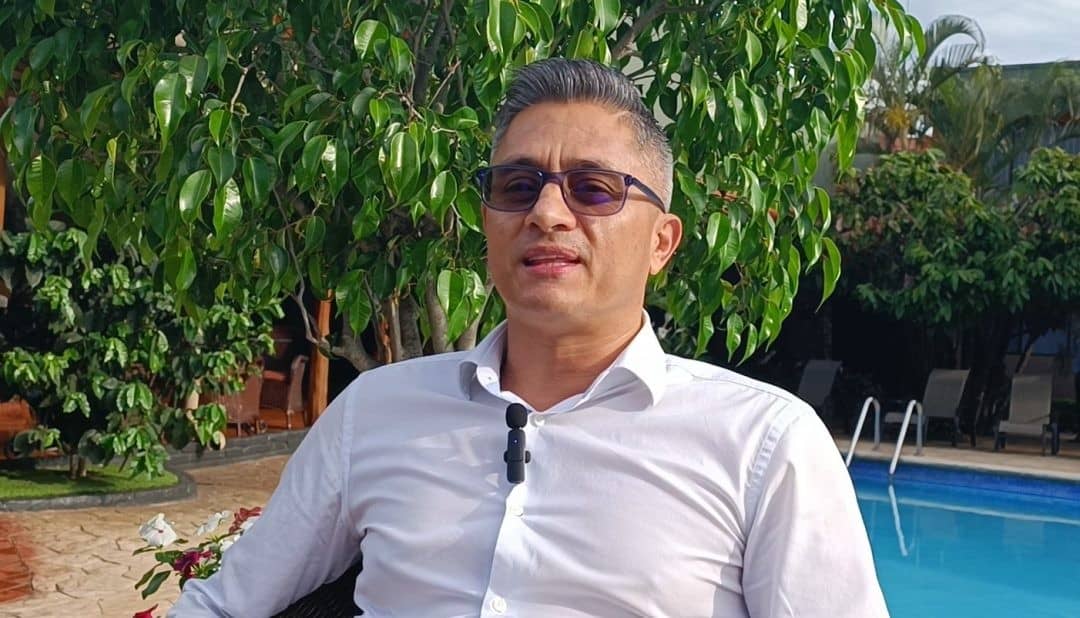
Wilder Eusse Osorio, president of Costa Rican First Division soccer club Municipal Liberia, was arrested Wednesday in San José after U.S. authorities requested his extradition in a drug trafficking case.
Eusse, a Colombian-born naturalized Costa Rican citizen, was detained in the La Sabana area during a joint operation involving Costa Rican prosecutors, the Judicial Investigation Agency, and the U.S. Drug Enforcement Administration. He is known by the aliases El Soldado and Tío.
The extradition request comes from the U.S. District Court for the Eastern District of Texas, where Eusse faces allegations tied to international cocaine trafficking. Costa Rican authorities said the U.S. case accuses him of two counts of conspiracy to manufacture and distribute cocaine with the intent to bring it illegally into the United States.
The indictment was filed on June 10, and an arrest warrant was issued the same day. Authorities allege that Eusse was linked to a drug trafficking organization operating across the Americas and involved in moving cocaine from Ecuador and Colombia toward the United States. The alleged routes included maritime, air, and land transport.
Eusse will now face extradition proceedings in Costa Rica before the Criminal Court of San José, which ordered his provisional detention as the process moves forward. The case immediately drew attention because of Eusse’s public role in Costa Rican soccer. Municipal Liberia, based in Guanacaste, competes in our top division.
Eusse has been described as one of the club’s key financial backers and has led the team during a period of greater visibility in the national league. He is also a businessman connected to fuel station operations in Costa Rica. Municipal Liberia said it would not issue statements on the case for now and would address questions at the appropriate time.
The arrest follows weeks of scrutiny around Eusse after his name appeared in the Caso Lusso money laundering investigation. In that separate case, he was mentioned in the file but was not listed as a defendant. At the time, Eusse denied any link to illegal activity, and the club said the matter was personal and did not affect its sporting, administrative, financial, or institutional operations.
The extradition case comes as Costa Rica continues to apply a newer legal framework allowing Costa Rican citizens and naturalized citizens to be extradited in cases involving alleged drug trafficking or terrorism. For decades, Costa Rican nationality had been a legal shield against extradition, but that changed as the country faced mounting pressure from organized crime and international drug trafficking networks.
Costa Rica has already sent several nationals or naturalized citizens abroad under the reform, including former security minister and former Supreme Court judge Celso Gamboa, who was extradited to the United States earlier this year in a separate drug trafficking case.
Eusse has not been convicted of the charges. The next step will be the Costa Rican extradition process, where the court will review the U.S. request and determine whether the legal requirements for surrender are met.





