

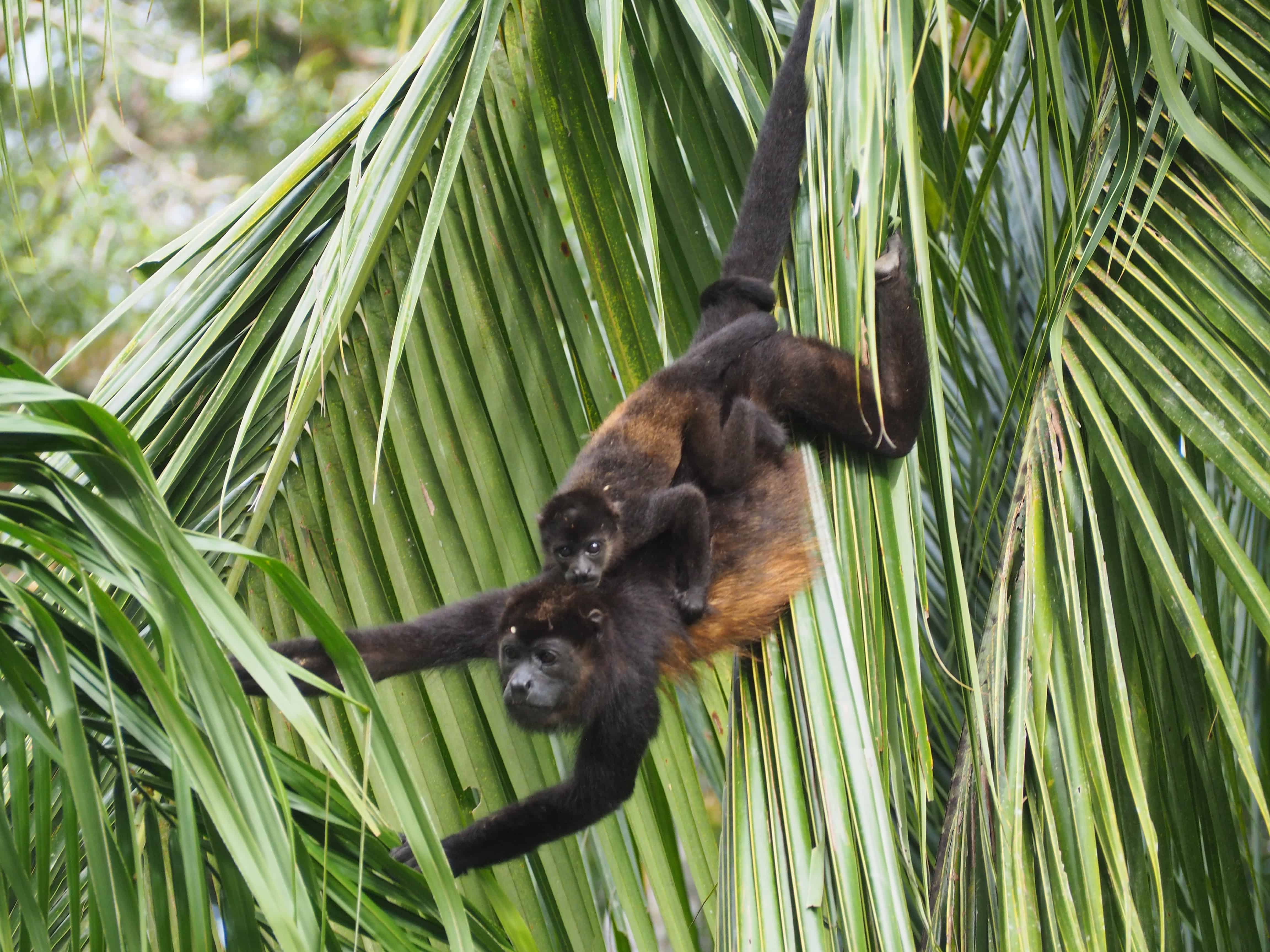
Costa Rica is moving to give national force to a strategy aimed at reducing one of its most persistent threats to wildlife: electrocution on power lines. The initiative brings together environmental authorities, electricity providers, rescue centers and local communities under a technical guide designed to identify high-risk areas, improve electrical infrastructure and coordinate a faster response when animals are injured or killed.
The problem is especially visible in forested and fast-growing tourism areas, where monkeys, sloths, anteaters, opossums, squirrels and birds often use power lines as bridges between fragmented trees. For animals moving through the canopy, an uninsulated cable can look like a branch. Contact with exposed lines or transformers can cause fatal shocks, severe burns, amputations or long-term injuries that make release back into the wild impossible.
The national strategy is not starting from zero. Its legal backbone is Executive Decree 44329-MINAE, which made the technical guide for preventing and mitigating wildlife electrocutions an official national instrument. The decree applies across Costa Rica to public and private actors involved in electricity generation, transmission and distribution, as well as institutions tied to environmental permits and oversight.
The guide sets out practical measures for electric companies, including identifying electrocution hotspots, reporting annual data on incidents, prioritizing areas with endangered or highly affected species, and applying protective measures in environmentally fragile zones. It also calls for technical, environmental and economic reviews of new or existing lines in sensitive areas, including the possible use of underground lines, route changes or full insulation of distribution networks.
A national working group called Electrificación Sostenible coordinates the effort. It includes representatives from MINAE, CONAGEBIO, SINAC, SETENA, ARESEP, ICE, CNFL, ESPH, JASEC, Coopelesca, Coopeguanacaste, Coopealfaroruiz, Coopesantos and EPR. The group is responsible for updating the guide, standardizing information and pushing companies toward the same prevention model.
The rollout comes as pressure grows from conservation groups and rescue centers, which have warned for years that wildlife electrocutions are not isolated accidents. National data have placed the number of reported cases in the thousands in a single year, and recent reports cite more than 6,700 animals electrocuted in 2024. Rescue groups in Nosara and the Caribbean have reported dozens to more than 100 cases a year in some areas, with howler monkeys and sloths among the most common victims.
Nosara has become one of the clearest examples of the problem. In January, Costa Rica’s Constitutional Court ordered ICE and MINAE to take action on power lines with exposed wiring in the district after complaints over repeated electrocutions of howler monkeys. The court gave authorities six months to correct the problem, a decision conservation groups hope will push broader action across the country.
The measures now being promoted include insulating cables and transformers, installing protective covers, trimming branches that allow animals to reach live wires, placing anti-climbing devices on poles, and building aerial wildlife crossings where forest has been broken by roads or development.
Coopesantos has already presented work tied to the national guide in rural areas of San José and Cartago. The cooperative has reported the protection of hundreds of kilometers of electrical lines in critical areas and the installation of aerial crossings to help animals move between trees without using power lines.
The strategy also recognizes that rescue centers are part of the response. When animals survive electrocution, electric companies and other actors are expected to coordinate with authorized wildlife rescue centers for transport, treatment, rehabilitation and possible release. The decree also leaves room for administrative sanctions when wildlife losses are tied to failure to apply the required technical measures.
For Costa Rica, the issue cuts across conservation, public service and tourism. Wildlife is central to our country’s international image and to the experience many visitors expect when they travel through places like Guanacaste, the Nicoya Peninsula and the Caribbean. But the same development that brings roads, homes, hotels and power service into forested areas can also break habitat and turn electrical infrastructure into a deadly route for animals.
The new phase will test Costa Rica’s ability to turn rules into field work. Our country already has the legal framework, the technical guide and a list of responsible institutions. The challenge now is implementation: mapping the most dangerous points, fixing them, reporting progress publicly and making wildlife-safe electricity part of planning before new lines go up.





