

Costa Rica used a major international environmental finance meeting in Uzbekistan to present a marine conservation message built around coastal communities, fishing families and the idea that protecting the ocean must also support local livelihoods. Environment and Energy Minister Mónica Navarro del Valle represented the country at the Eighth Assembly of the Global Environment Facility in Samarkand, where governments, environmental agencies and civil society groups met to discuss financing priorities through 2030.
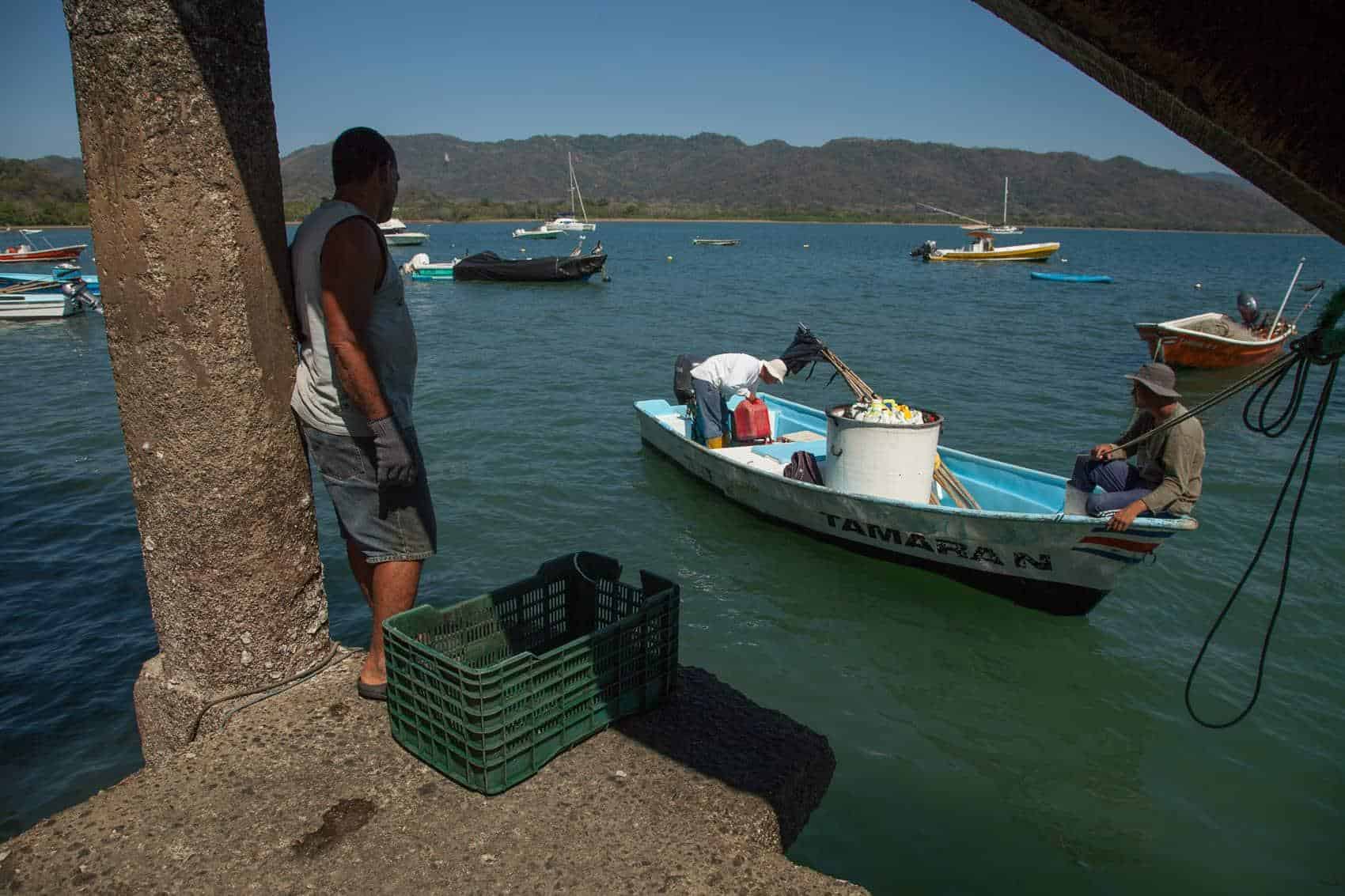
In her remarks, Navarro placed coastal communities and the fishing sector at the center of Costa Rica’s marine conservation strategy. Her message was direct: conservation cannot be treated as something separate from the people who depend on the sea for work, food and local economic activity.
Navarro argued that protecting nature should not be seen as a barrier to development, but as a way to generate employment, strengthen coastal economies and make communities more resilient. She also called for local populations to receive concrete benefits from the protection of the ecosystems around them.
That framing matters in Costa Rica, where marine protection, fishing rules and coastal development often meet in the same places. Many of the country’s fishing villages sit near tourism zones, mangroves, marine protected areas and beaches that carry both environmental and economic value.
The minister said sustainability is only viable when communities are active participants in the solution. That position gives fishing communities a more central role in the government’s public message on ocean protection, rather than casting them only as sectors to be regulated.
The speech also gave Navarro one of her first major international platforms since taking office in May under President Laura Fernández. Her appointment as environment and energy minister had already drawn attention because of her background in environmental regulation, public policy and work connecting public and private sector interests.
Navarro is a lawyer and public policy specialist whose official profile describes her work as linked to sustainability, environmental management and strategic development. Marine policy is expected to be one of the areas where her experience will be closely watched.
Costa Rica has long promoted itself internationally as a conservation leader. Our country protects more than a quarter of its land territory through protected areas and has expanded marine protections in recent years, including around Cocos Island and the Bicentennial Marine Management Area. The harder test, as Navarro’s comments suggest, is making conservation policy work for the people living on the coast.
For tourism communities, the issue is also practical. Healthy oceans, beaches, reefs, mangroves and fisheries are part of what sustains Costa Rica’s tourist economy. For fishing communities, the challenge is different but connected: protecting marine resources without cutting off the income of families who rely on them.
The GEF assembly produced broader decisions on global environmental financing. Delegates approved new funding for projects and programs in 22 countries and endorsed a multibillion-dollar funding cycle intended to support environmental goals through the end of the decade.
Costa Rica’s pitch in Samarkand was that global conservation targets will only succeed if they are tied to real benefits at the local level. For our coastal communities, that means the debate over ocean protection will continue to center not only on marine biodiversity, but on jobs, food security, tourism and the future of towns that live from the sea.





