

A Costa Rican environmental organization is calling for a halt to the government’s proposed new wildlife regulation, arguing that the draft weakens protections, lacks clear scientific support, and moves forward without new funding for the National System of Conservation Areas, known as SINAC. The group, APREFLOFAS, said the proposal from the Ministry of Environment and Energy, or MINAE, would replace the current wildlife regulation established in Executive Decree 40548-MINAE in 2017.
According to the organization, wildlife management in Costa Rica should be grounded in science and focused on conservation rather than greater flexibility for commercial use. APREFLOFAS said the current regulation was developed between 2015 and 2017 by SINAC with support from specialists, research centers, universities, veterinary experts, and wildlife-focused nongovernmental organizations. It also noted that eight constitutional challenges filed against the 2017 regulation were all rejected by the Constitutional Chamber.
The proposed replacement regulation was opened for public consultation on October 21, 2025, with an initial draft containing 325 articles and 22 annexes. The consultation period ended on November 4, 2025. APREFLOFAS said that 10 business days was too short for a technical measure dealing with wildlife conservation and management. The group said civil society organizations, researchers, professional associations, and specialists submitted roughly 800 observations on the draft.
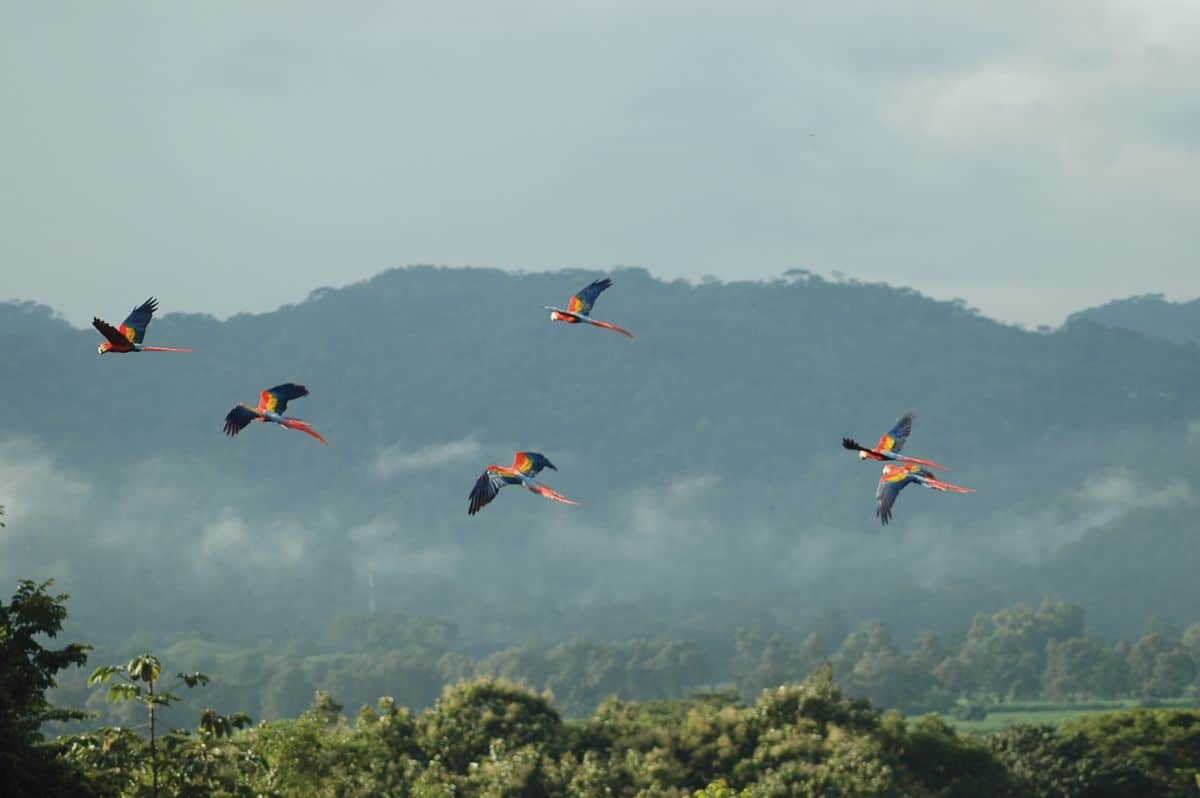
One of the main points of concern involved provisions that would have allowed possession of five wild parrot species and hybrid macaws. APREFLOFAS said those exceptions remained in the second and third versions of the proposal despite repeated objections over their legality and environmental impact.
After a discussion at the National University, MINAE removed the captivity option for the five bird species in a fourth version of the draft, though it kept the provision for hybrid macaws. The organization also questioned a proposed new management category that would combine rescue centers with noncommercial zoos, saying the public record does not show the scientific criteria behind that measure.
APREFLOFAS also pointed to a November 2025 report from the Ministry of Economy, Industry and Commerce, or MEIC, which issued 44 binding recommendations on the proposal. The report said the draft violated principles of regulatory improvement including legality, transparency, clear rules, legal certainty, and interinstitutional cooperation. The environmental group argued that those concerns, together with unresolved technical questions, show the need for closer review before the regulation advances.
Another major issue raised in the statement is funding. APREFLOFAS said the proposed regulation does not include additional technical, technological, financial, budgetary, or human resources for SINAC. It cited the 2025 State of the Nation report, which found that SINAC’s budget had been cut by 40 percent over the last five years, reducing control, monitoring, and enforcement activities in conservation areas.
The group said any new wildlife regulation should strengthen conservation, be backed by verifiable scientific and technical criteria, and be discussed through a broader and more transparent public process. It also called on MINAE to assign more park rangers, personnel, vehicles, and surveillance resources to protected areas, especially in region





