

Costa Rica entered 2026 with an economy that combined strong growth and persistent deflation, a combination economists describe as unusual. Headline inflation reached -2.7 percent year-on-year in February, the tenth straight month of deflation and the 34th month below the Central Bank’s 2 to 4 percent target range. Lower prices for food, fuel, and services, along with colón appreciation, drove this trend. At the same time, GDP expanded 4.6 percent in 2025, among the highest rates in the OECD.
The colón strengthened to levels not seen in over two decades, fueled by solid tourism income, steady exports, and foreign direct investment into a limited local currency market. The Banco Central de Costa Rica bought more than $277 million in dollars during the early weeks of 2026 to curb the appreciation and ease pressure on exporters. As of March 20, the USD/CRC reference rate stood around 467 to 469, with the colón up nearly 6 percent over the prior year. Businesses and expats receiving dollars faced higher local costs as a result.
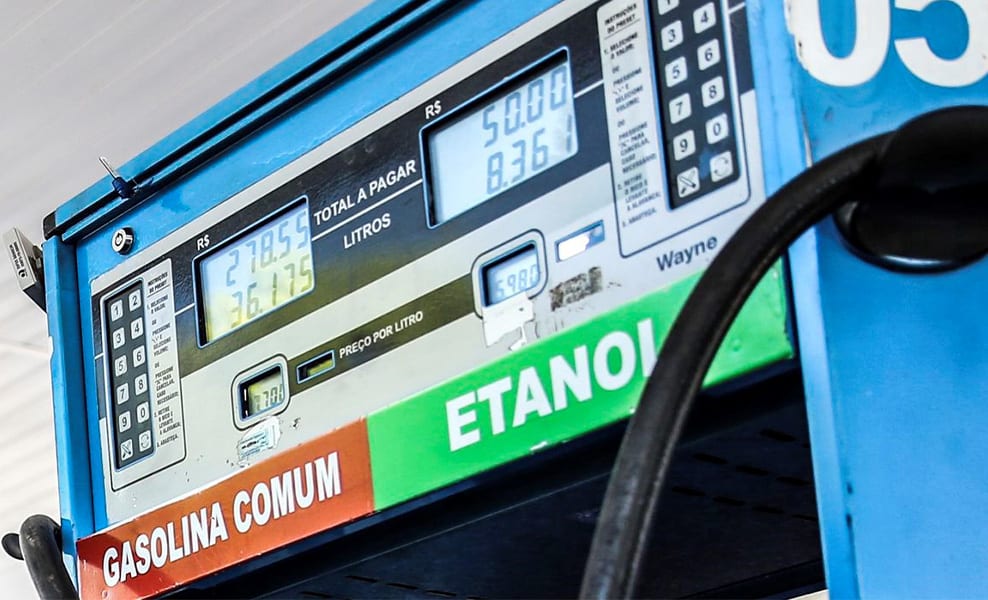
A potential long-term closure of the Strait of Hormuz due to armed conflict involving Iran would disrupt about 20 percent of daily global oil supply. Crude prices spiked sharply in response, with risks of further increases. Costa Rica imports nearly all its fuel, so higher costs would pass directly to transportation, logistics, food production, and energy sectors.
This shock would reverse the deflation quickly. Prices that fell for nearly three years would rise, shifting the Central Bank’s policy focus overnight. The IMF has identified higher commodity prices, especially oil, as an upside risk to inflation in Costa Rica. A Hormuz closure represents the most severe form of that risk.
The exchange rate would face added complexity. A global oil shock often bolsters the US dollar as a safe haven, putting downward pressure on the colón despite the Central Bank’s recent efforts to prevent excessive weakening. The colón could drop from current highs toward 490 to 510 per dollar, or lower if the disruption lasts.
The Monetary Policy Rate holds at 3.25 percent, with real rates restrictive amid negative inflation. The IMF has recommended further cuts to boost demand and avoid entrenched deflation. An oil shock would halt easing and introduce uncertainty. Rate hikes, recently off the table, could become necessary to counter imported inflation.
Higher rates would tighten credit, raise mortgage payments, curb consumer spending, and hit construction. Businesses with dollar debt would face increased borrowing costs and a weaker colón.
Costa Rica’s recent stability—deflation, strong colón, tourism growth—rested on calm global conditions. As a small open economy fully reliant on imported fuel and dollar-priced imports, the country absorbs oil shocks fast and hard. The Central Bank’s cautious stance worked in steady times, but a major disruption would demand quicker action.
As people here often say, the only thing certain is that nobody knows what comes next.





