

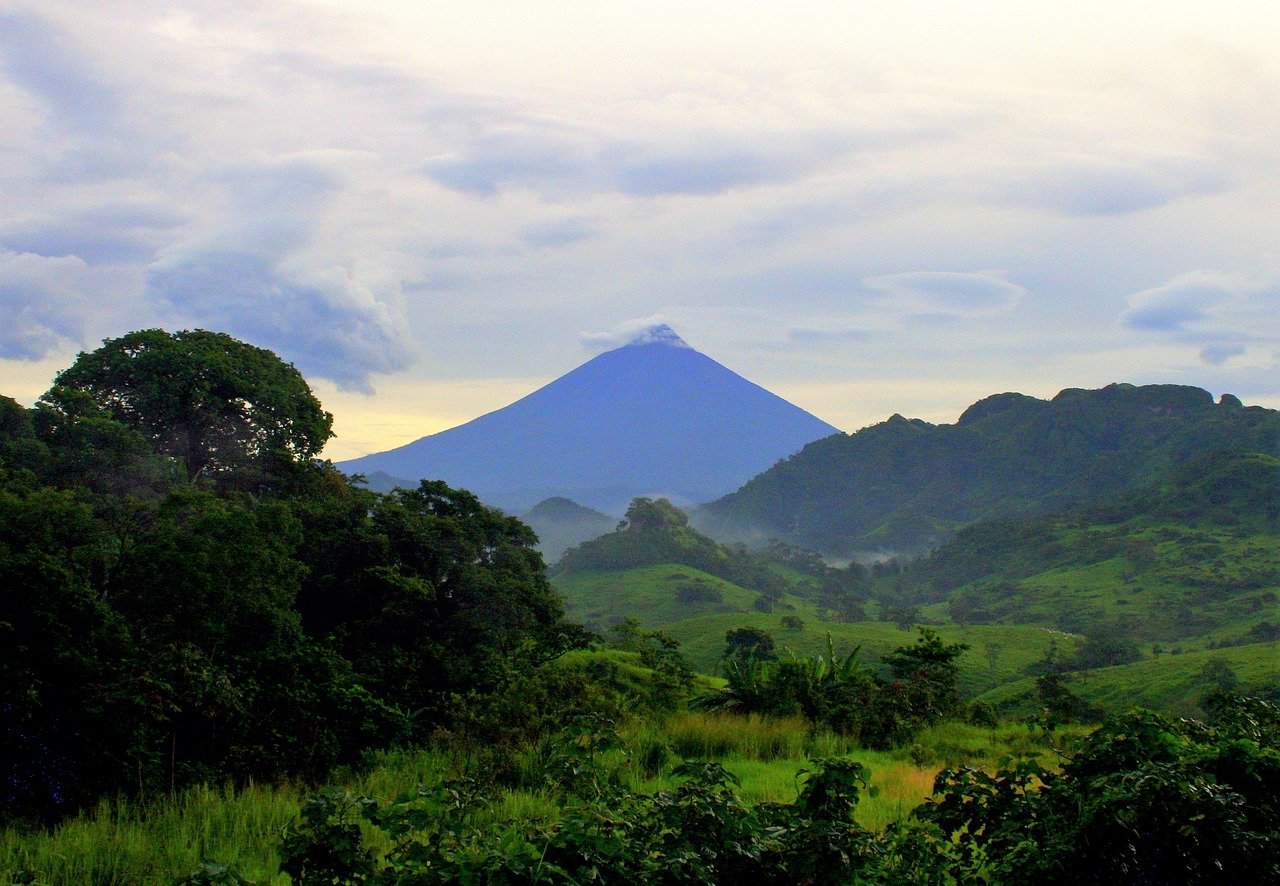
Guatemalan officials issued public warnings today amid ongoing explosive eruptions at two major volcanoes, prompting heightened monitoring and safety measures across affected departments. Authorities alerted residents to risks from the Fuego and Santiaguito volcanoes, both emitting ash and registering frequent blasts.
The National Coordinator for Disaster Reduction, known as Conred, kept an orange alert active in Sacatepéquez department since Thursday due to Fuego’s intensified behavior. This level engages emergency protocols and ramps up surveillance, with a red alert as the next possible step if conditions worsen.
The alerts follow reports of ash plumes and explosions that could impact communities, travel, and farming in central and western Guatemala. Conred and the National Institute of Seismology, Volcanology, Meteorology and Hydrology, or Insivumeh, track the sites closely to protect populations in a nation prone to volcanic events.
Fuego volcano recorded up to 14 explosions per hour in recent days, ranging from weak to strong. These generated ash columns reaching 4,500 to 4,800 meters above sea level, dispersing up to 40 kilometers east and northeast. Ashfall affected areas like Alotenango, Ciudad Vieja, La Reunión, La Candelaria, and El Rodeo, with potential spread to Antigua Guatemala, San Miguel Dueñas, and Chimaltenango based on wind patterns.
Insivumeh noted weak to moderate desgasification at Fuego’s hot dome, with fumaroles rising 400 meters and drifting southeast. Incandescence appeared in the crater during night and early morning hours, signaling ongoing internal pressure. At Santiaguito, part of the Santa María complex, activity included lava extrusion from the Caliente dome, leading to frequent block avalanches and short pyroclastic flows on the southwest, east, and northeast flanks. Explosions occurred up to three per hour, with ash plumes climbing to 4,000 meters and visible glow from the crater.
A notable event hit Santiaguito on February 20, when a dawn eruption lit an ash plume and triggered large incandescent boulders to tumble down the west flank. Such flows pose immediate hazards to nearby zones. Fuego stands at 3,763 meters, about 35 kilometers southwest of Guatemala City, earning its spot as Central America’s most active volcano. Santiaguito reaches 2,500 meters in Quetzaltenango department, roughly 206 kilometers west of the capital.
The Ministry of Agriculture, Livestock and Food flagged ashfall as a direct threat to crops, animals, and water sources. Vulnerable items include coffee, vegetables, avocados, citrus, flowers, fruits, and pastures. In livestock, ash can cause eye irritation, breathing issues, and contamination of feed and water.
Insivumeh advised tourism operators against climbing or lingering near the volcanoes due to sudden explosion risks and unstable terrain. These volcanoes have a history of destructive power. Fuego’s June 2018, eruption sent a deadly pyroclastic flow through San Miguel Los Lotes, claiming 215 lives and leaving a similar number missing. Santiaguito’s deadliest blast came in 1929, killing an estimated 2,500 people.
Current patterns echo persistent activity seen throughout February 2026. Fuego showed a major eruption on February 23, with a high ash plume affecting aviation visibility. Santiaguito’s February 20 event highlighted its ongoing dome growth and collapses. Guatemala sits in a volcanically active zone, with over 30 volcanoes, three currently erupting including Pacaya. This demands constant vigilance from agencies like Insivumeh and Conred.
Officials expect activity to continue in the coming days. Insivumeh will issue daily bulletins, while Conred stands ready to escalate alerts if explosions intensify or lava flows expand. Residents should heed evacuation orders if red alerts activate, and aviation authorities monitor ash for flight disruptions.
Conred urges communities to stay informed through official channels and prepare emergency kits. No evacuations occurred yet, but preparedness remains key in this changing setting.





