

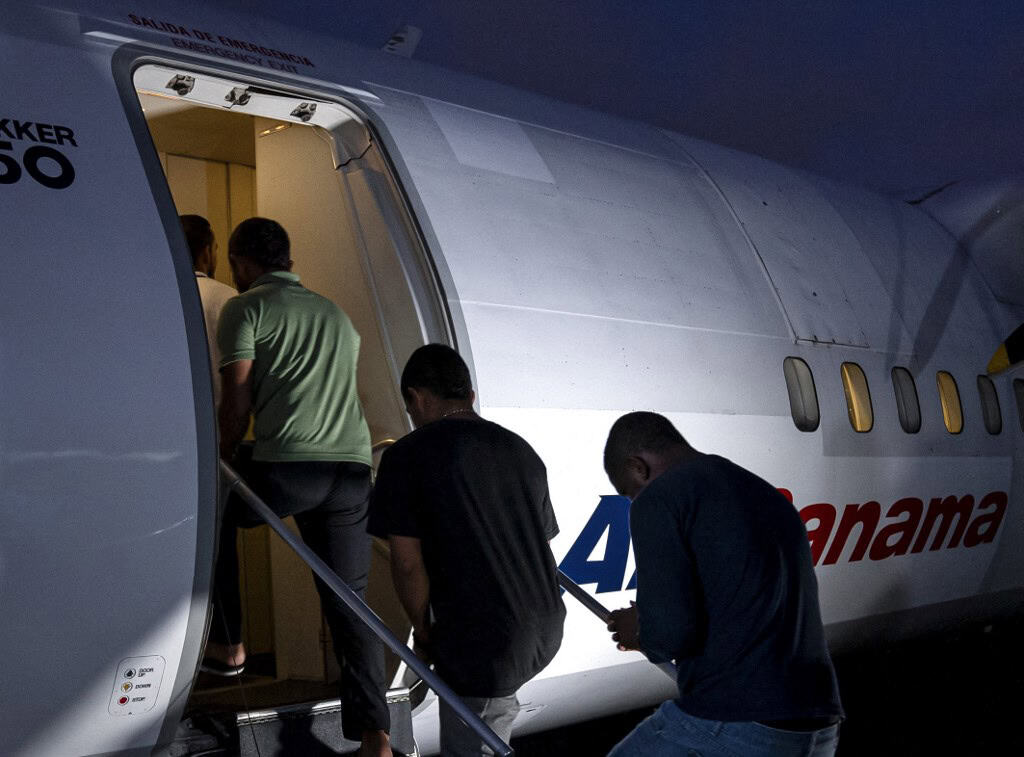
A plane carrying 231 Venezuelans touched down at Maiquetia International Airport in Caracas today, marking the first deportation flight from the United States since the removal of former President Nicolas Maduro. The flight originated in Phoenix, Arizona, and signals a shift in U.S.-Venezuela ties following recent military actions.
U.S. forces captured Maduro two weeks ago in a rapid operation that included airstrikes on Caracas and nearby regions. Venezuelan officials report at least 100 deaths from those strikes, with about half being security personnel. President Donald Trump directed the mission, which capped a prolonged effort to pressure Maduro’s government.
Deportations to Venezuela had stopped in mid-December amid rising tensions before the strikes. The restart comes as relations show signs of easing under Maduro’s former vice president, Delcy Rodriguez, who now serves as acting leader. Trump has stated that the U.S. holds significant control over the country in partnership with Rodriguez.
This flight resumes a program that once handled undocumented migrants from the U.S. to Venezuela. Before the pause, such returns occurred regularly, but the political upheaval halted them. Observers see this as a practical step toward stability in the region.
The deported group includes people who entered the U.S. without authorization. Details on their individual cases remain limited, but the move aligns with Trump’s focus on border security and foreign policy. In South Florida, home to many Venezuelan expatriates, reactions mix hope and uncertainty. Some view Maduro’s exit as a chance for change, while others worry about the transition’s impact on families and the economy.
Venezuela’s crisis has driven millions to flee, affecting neighboring countries including those in Central America. Costa Rica has hosted thousands of Venezuelan refugees, straining resources but helping community ties. This deportation could influence migration patterns across the Americas.
Acting President Rodriguez has not commented publicly on the flight. U.S. officials describe it as a routine enforcement action, part of broader immigration policies.





