

World Cups never entirely live up to their hype as transformative political events. The 2010 World Cup in South Africa didn’t quite turn “the tide on centuries of poverty and conflict” as South African President Thabo Mbeki predicted at the time. The improvement in relations between South Korea and Japan around the time of their cohosting of the 2002 World Cup proved to be short-lived.
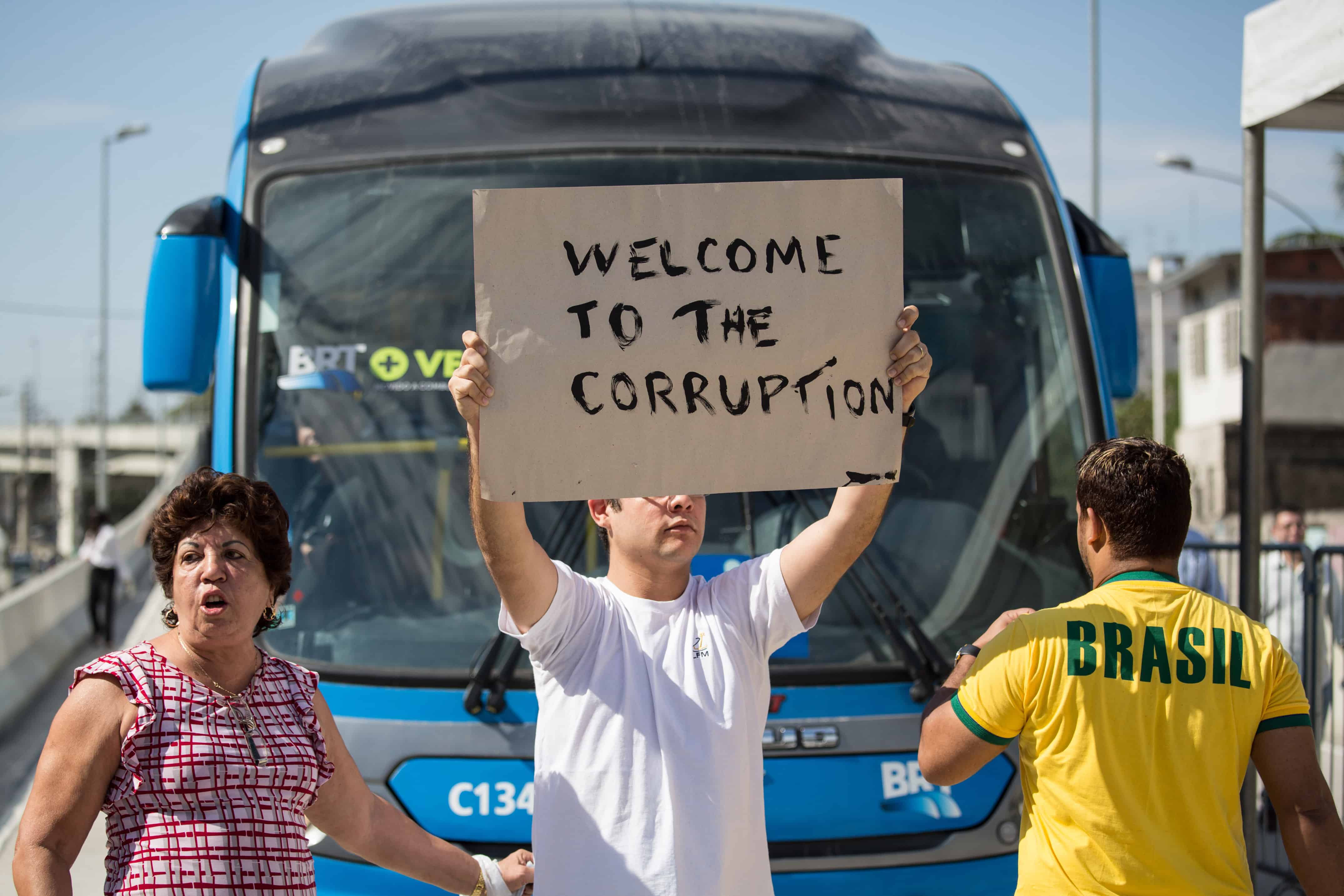
All the same, big events like the World Cup – despite typical concerns about costs, security and corruption – are generally at least met by optimism and national pride in the host country. So the latest indications about the national mood in Brazil are striking.
A new Pew Poll finds that 61 percent of Brazilians fell that hosting the World Cup is a “bad thing because it takes money away from public services” vs. just 34 percent who think it’s a “good thing because it creates jobs.” Thirty-nine percent say it will hurt Brazil’s international image while only 35 percent think it will help.
The poll comes after protests in May that brought as many as 10,000 people into the streets to protest World Cup costs. Hundreds of protesters, including indigenous groups, were met with riot police and tear gas when they attempted to march to the National Stadium in Brasilia last week.
Obviously, this isn’t just about soccer. Brazil’s once-booming economy has ground to a halt over the last three years and there’s widespread public anger over inflation and government corruption.
The same Pew poll found that 72 percent are generally dissatisfied with things in Brazil today and a narrow majority give a negative rating to President Dilma Rousseff, compared to the sky-high popularity enjoyed by her predecessor Luiz Inácio Lula da Silva throughout his tenure. With elections approaching in October, the only good news for Rousseff is that Brazilians seem to like her potential opponents even less.
In 2007, FIFA awarded the cup to a booming economic powerhouse confident about its rising global status. It seems to be holding the event in a much different place.
Keating is a staff writer at Slate focusing on international news, social science and related topics. He was previously an editor at Foreign Policy magazine. © 2014, Slate
Follow all Tico Times coverage of Brazil’s 2014 World Cup at hashtag #Brazil 2014
Recommended: World Cup couch potatoes hurting retail sales





