

Read more coverage of U.S.-Cuba relations here
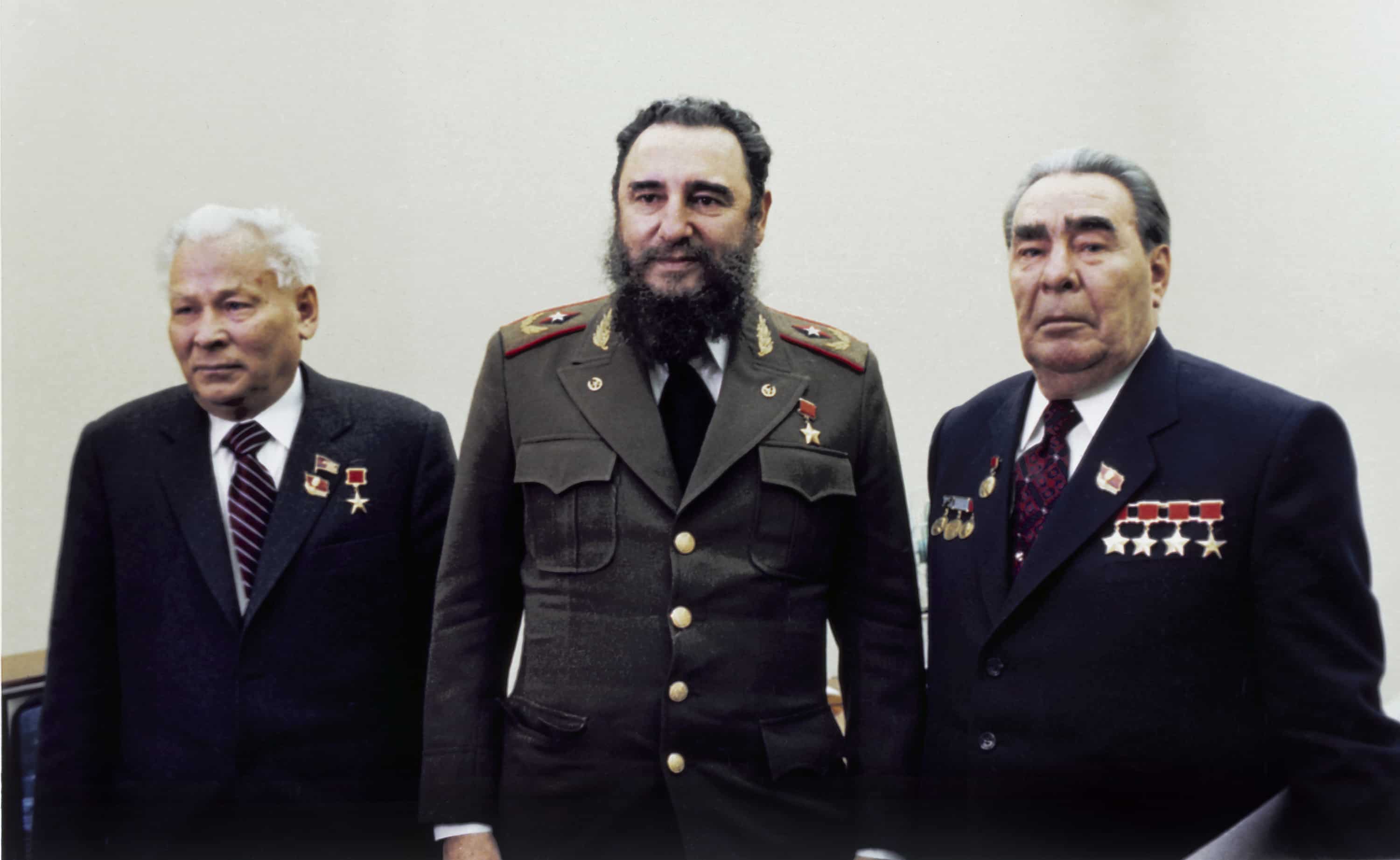
WASHINGTON, D.C. – U.S. President Barack Obama is expected soon to remove Cuba from the State Department’s official list of state sponsors of terrorism. The move, long anticipated, would signal a significant, symbolic step toward the normalization of ties between Washington and Havana and the potential opening of embassies in both countries.
Cuba’s status as a “state sponsor” of terrorism has been under review since last year, when the White House signaled its intent to forge an opening with the country’s communist government after decades of Cold War animosity. Cuba’s designation remains a curious one and, like much that still shapes the U.S-Cuba relationship, is a relic of the past. Here’s what you need to know about Obama’s planned move to enter the present.
What is a “state sponsor of terrorism”?
It’s a list set up by U.S. authorities in 1979 aimed at punishing whole regimes for their alleged role in terrorist activities. The United States maintains a separate and far longer list of foreign terrorist organizations. In both cases, a spot on the list means sanctions, bans on exports and arms sales and other punitive measures aimed at freezing business with these supposed terrorist actors.
Why is Cuba on the list and who else is?
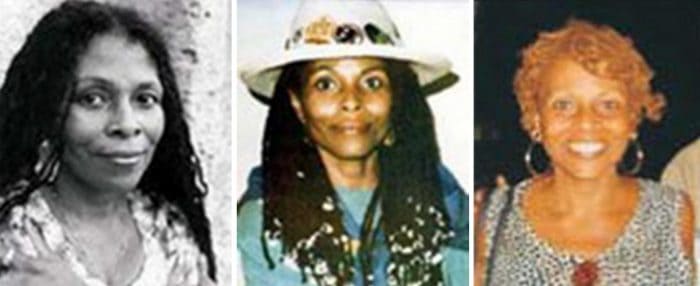
There are only four listed state sponsors of terrorism: Cuba, Iran, Syria and Sudan. Cuba has been on the list since 1982. The argument used to put it there largely surrounded the Castro regime giving sanctuary to a number of fugitives implicated in terrorist acts. These included militant Basque separatists from Spain as well as a number of U.S. citizens wanted for acts of political violence.
The most high-profile fugitive is Joanne Chesimard, also known as Assata Shakur. A member of the Black Liberation Army, she is wanted for allegedly killing a New Jersey police officer in 1973 and is suspected to be in Cuba. It’s believed that, since at least 1991, Cuba has provided no training or armed assistance to leftist guerrilla groups in Latin America.
If this all feels a bit dated, it is. The latest U.S. country report on terrorism in Cuba says there is “no indication that the Cuban government provided weapons or paramilitary training to terrorist groups.”
And what about the other countries?
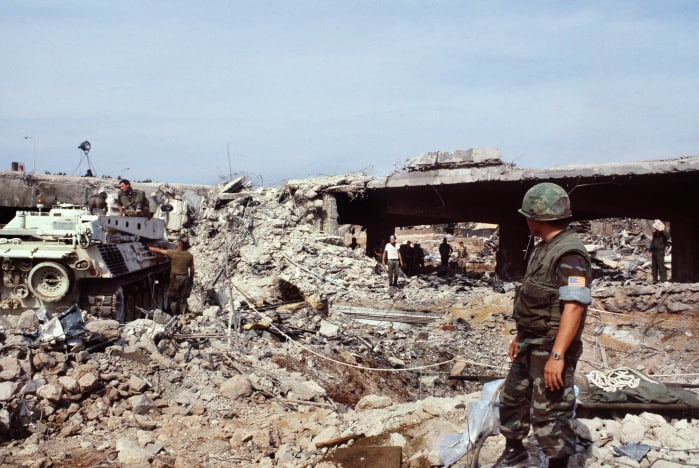
Iran — deemed by the United States in 2011 as an “active” state sponsor of terrorism — was first designated one in 1984, the year after a suicide bombing of a U.S. Marines barracks in Beirut by a suspected member of Hezbollah, an Iranian proxy. Syria got put on it the same year the list was created, largely for its role in fueling the sectarian conflict in Lebanon, and its continuing support for Palestinian militant groups carrying out attacks in Israel. Sudan was designated as a state sponsor in 1993 after it emerged that Khartoum was harboring militants from a slate of terrorist groups, including al-Qaida.
Aren’t there other countries that do far worse?
Indeed, yes, some say there are. It’s argued that elements within the Pakistani state, for example, have tacitly enabled various militant, terrorist groups — ranging from the Afghan Taliban to al-Qaida to terrorist groups that focus their attacks on India. Al-Qaida mastermind Osama bin Laden was discovered living in mysterious circumstances in a leafy town not far from Islamabad, the Pakistani capital.
Yet there’s never been much of a possibility of forcing this designation on Pakistan, a longstanding U.S. ally whose government regularly denounces terrorism and is in the midst of a bloody, draining counterinsurgency in Pakistan’s tribal areas along the Afghan border. So too Saudi Arabia, a leading U.S. partner in the Middle East, yet one which has played a role in incubating some of the more noxious strains of Islamic fundamentalism tormenting the wider region.
So it’s a question of politics?
Pretty much. The designation is a provocative, zero-sum gesture that gives the United States little diplomatic flexibility and reflects, instead, the politics of an earlier Cold War era — when U.S. policy was more focused on state adversaries rather than non-state actors.
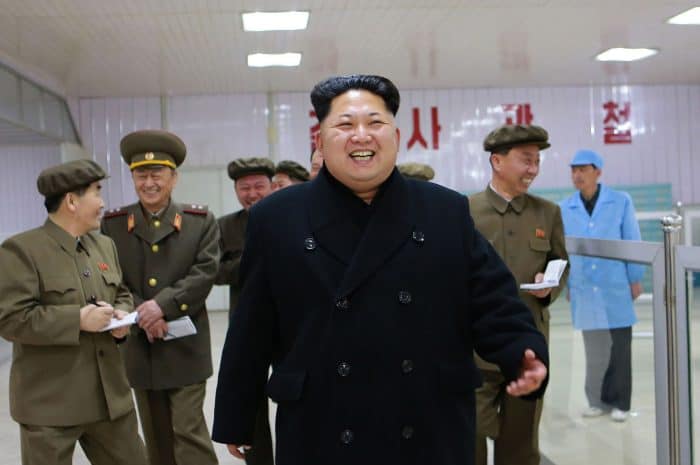
The list of nations removed from the list includes Iraq, freed of the status after the U.S. invasion in 2003; Libya, removed in 2006 after the Gadhafi regime stepped up counterterrorism cooperation and abandoned its suspected WMD program; and even North Korea, a move made in 2008 after supposed commitments regarding the verification of North Korea’s clandestine nuclear program.
Another country no longer on the list? South Yemen — a nation which no longer exists, but which in 1970s and ’80s was viewed by the United States as a dangerous Soviet proxy.
The question nowadays is less whether states are actively sponsoring terror, but passively — enabling an environment where non-state terror groups can gain strength and conduct operations.
“Because of this complexity, the answer to the problem does not lie only in updating the State Department’s state sponsorship list to reflect current relationships_ swapping out Cuba for Venezuela, say, or replacing North Korea with Pakistan,” writes Middle East scholar Daniel Bynam in a 2008 policy paper for Brookings Institution.
Bynam, instead, proposes the creation of “a list of passive sponsors and their activities in an attempt to ‘name and shame’ them into better behavior.”
At this point, it’s unlikely Cuba should remain on either list — the current one or even the hypothetical.
Tharoor writes about foreign affairs for The Washington Post. He previously was a senior editor at TIME, based first in Hong Kong and later in New York.
Follow events at this year’s Summit of the Americas here
© 2015, The Washington Post





