

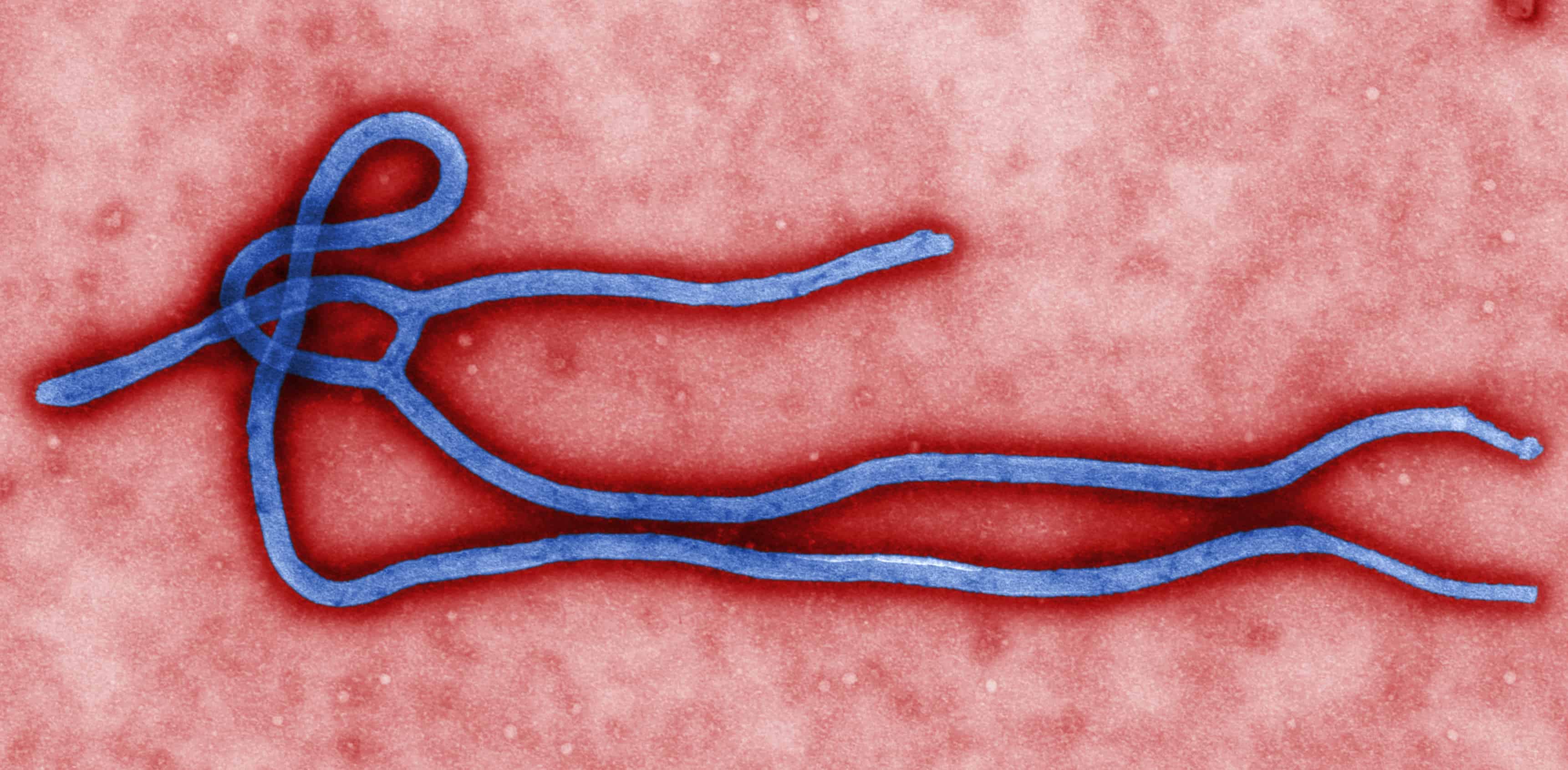
As new cases of the Ebola virus loom abroad, including one in New York, another virus has claimed 31 lives in Costa Rica so far this year: the common flu. Despite the media hoopla surrounding the West African virus, María Ethel Trejos, surveillance director for the Public Health Ministry, said that the chance of an Ebola case appearing in Costa Rica is very low.
Trejos said that deaths from the common flu in Costa Rica can be as high as 60 cases annually, depending on how the influenza virus spreads in a given year. The health official said that there have been no suspected cases of Ebola in Costa Rica, besides a “false alarm” earlier this month.
“As a country, we’re in a process of preparation. If a case arises, we have people who are trained and capable of handling the case,” she said.
Ebola should be taken seriously, health officials said, but added that extreme measures like closing borders or declaring a state of emergency are not necessary to prevent and control the virus if it were to appear here.
“There are other illnesses that are affecting us much more,” Enrique Pérez, a representative of the Pan American Health Organization told The Tico Times.
“You should be more concerned about about what is actually affecting you. That’s not to say you shouldn’t be prepared; of course you have to have a contingency plan, because you never know how easily some new disease is going to spread through the population and if there are enough resources to cover it,” he added.
Trejos said that cases of the virus were unlikely in Costa Rica, but that doesn’t mean the country has not been taking steps to prepare for Ebola, which has a fatality rate between 50 and 80 percent.
Trejos and Pérez said that Costa Rica was prepared to handle a case of the virus, but noted that the ministry continued to carry out trainings for public health, public security and customs officials. Trejos said Costa Rica has an Ebola-specific protocol that would be triggered in the event that a suspicious case were identified. Earlier this month, Border Police implemented an infectious illness protocol to handle any possible Ebola cases from migrants entering Costa Rica illegally.
Costa Rica has not taken preventive measures that Trejos characterized as cosmetic, including taking the temperature of travelers entering the country or closing borders. The health official said that checking for a fever is ineffective because it is a common symptom for a variety of illnesses.
On Monday, Venezuelan President Nicolás Maduro urged Costa Rica, as the president pro tempore of the Community of Latin American and Caribbean States, to call a meeting to develop a strategy to control and prevent Ebola in the region. Pérez did not give a direct answer about Maduro’s comment but said that PAHO has already taken steps to coordinate information sharing, logistics and training in Latin America to address the virus.
Ebola has a relatively low transmission rate, especially compared to respiratory viruses like H1N1 or the avian flu that spread through the air. The virus can only be contracted through direct contact with the blood or bodily fluids of a person sick with Ebola or who has recently died from it; coming into contact with objects, like clothing or sheets, that have an infected person’s fluids on them; or the bodily fluids of an infected animal. The virus can also be passed through semen for up to 90 days by a patient who survives the virus. The pathogen has a transmission rate of between one and two cases per positive case, less than SARS, Hepatitis C, HIV, and Spanish flu, for example.
Trejos said that isolated cases of the virus, like those in Spain, Dallas and New York, would likely continue to appear outside Guinea, Sierra Leone and Liberia, where some 5,000 people have died from the virus.
Ebola is an expensive virus for which to prepare. Pérez said that PAHO is coordinating the purchase of protective suits and other equipment to handle an Ebola case on the isthmus en masse as a way to reduce costs for Central American countries. Trejos estimated that a level 3 biohazard protective suit required to handle Ebola samples could cost $1,500. Pérez said that PAHO did not have estimates for how much preparing for Ebola would cost Central America.
“If the necessary control measures are not taken it could have a cost in large amounts, not only economic but also in lives that would be tragic for the country,” said Pérez.





