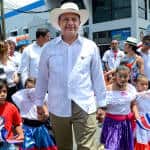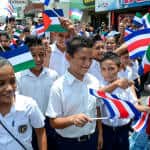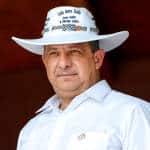
Thousands gathered here Friday, including President Luis Guillermo Solís, to celebrate the culture of Guanacaste and the 190th anniversary of the annexation of the Partido de Nicoya to Costa Rica.
In 1824, the local government of Nicoya decided to be annexed by Costa Rica, adding one of the richest cultural area of the time to the new nation. The current president remarked on this at the end of a series of speeches at this year’s event.
“It has generated one of the brightest civilizations in Mesoamerica, and it will also be recognized as the birthplace of Costa Rican nationalism,” Solís said to the crowd.
The celebration took place in Nicoya’s main plaza, where stands sold a diverse array of goods. Visitors had their choice from handcrafted jewelry and wooden furniture to plastic toys and even tires. Music on the main stage featured an orchestra in the day and gave way to a mix of merengue and salsa at night. Around the city, marimbas played by street musicians rang out.
Other speakers before Solís remarked that the holiday should not be called an “annexation,” which had connotations of colonial conquest, but rather an “incorporation,” as it was a mutual decision by the local and national governments.
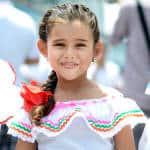
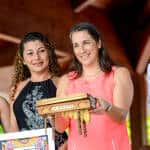
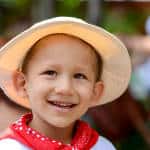
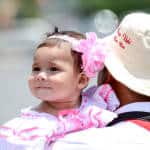
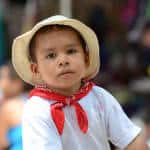
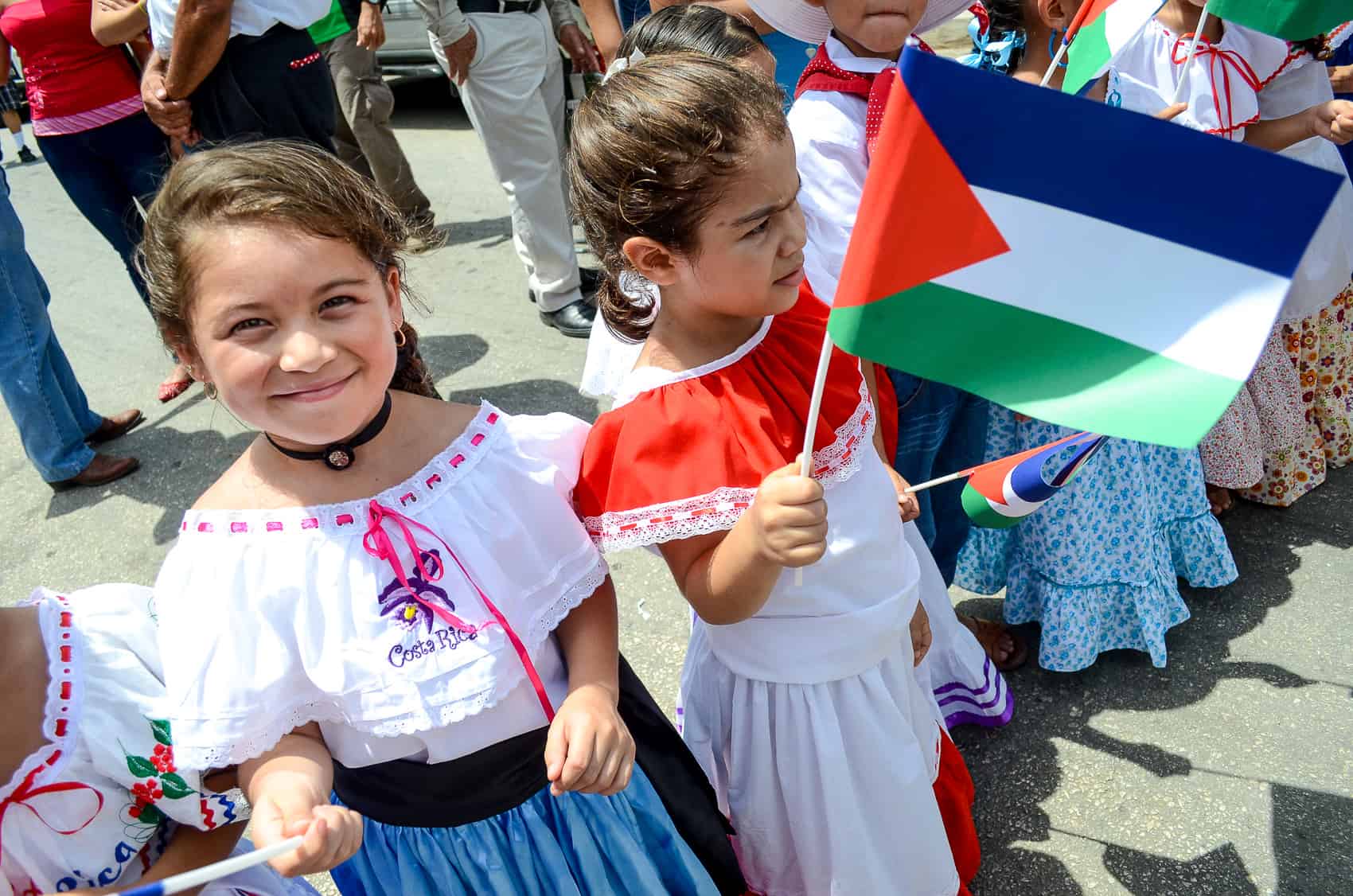
One student from Nicoya, Luis Alfonso, read a poem, “Guanacaste, my land, cradle of customs” that remarked on the rich cultural contributions to Costa Rica from Guanacaste, such as the marimba and the bomba poems. Following him, children in traditional dresses took the stage for a photo opportunity.
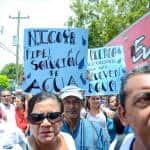
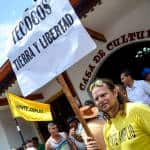
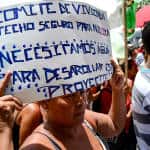
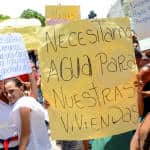
Not everyone at the event was jubilant. A group of protesters from around Guanacaste marched through the main street and around the plaza during the president’s arrival. They remained in the plaza, holding up their signs during the speeches from Solís and other members of the government. One of their long-standing complaints was a lack of a water project to address local arsenic contamination.
One protester, Magadalena Vega, with the Communities of Coastal Territories, remarked about the lack of development in Guanacaste.
“We have been forgotten, with no development by the government,” Vega said during the march around the plaza. “Because of this, families live without dignity. Multiple families in one house, with no services.”
Prior to the event, Solís signed four laws addressing the drought, development and arsenic contamination in the region.