

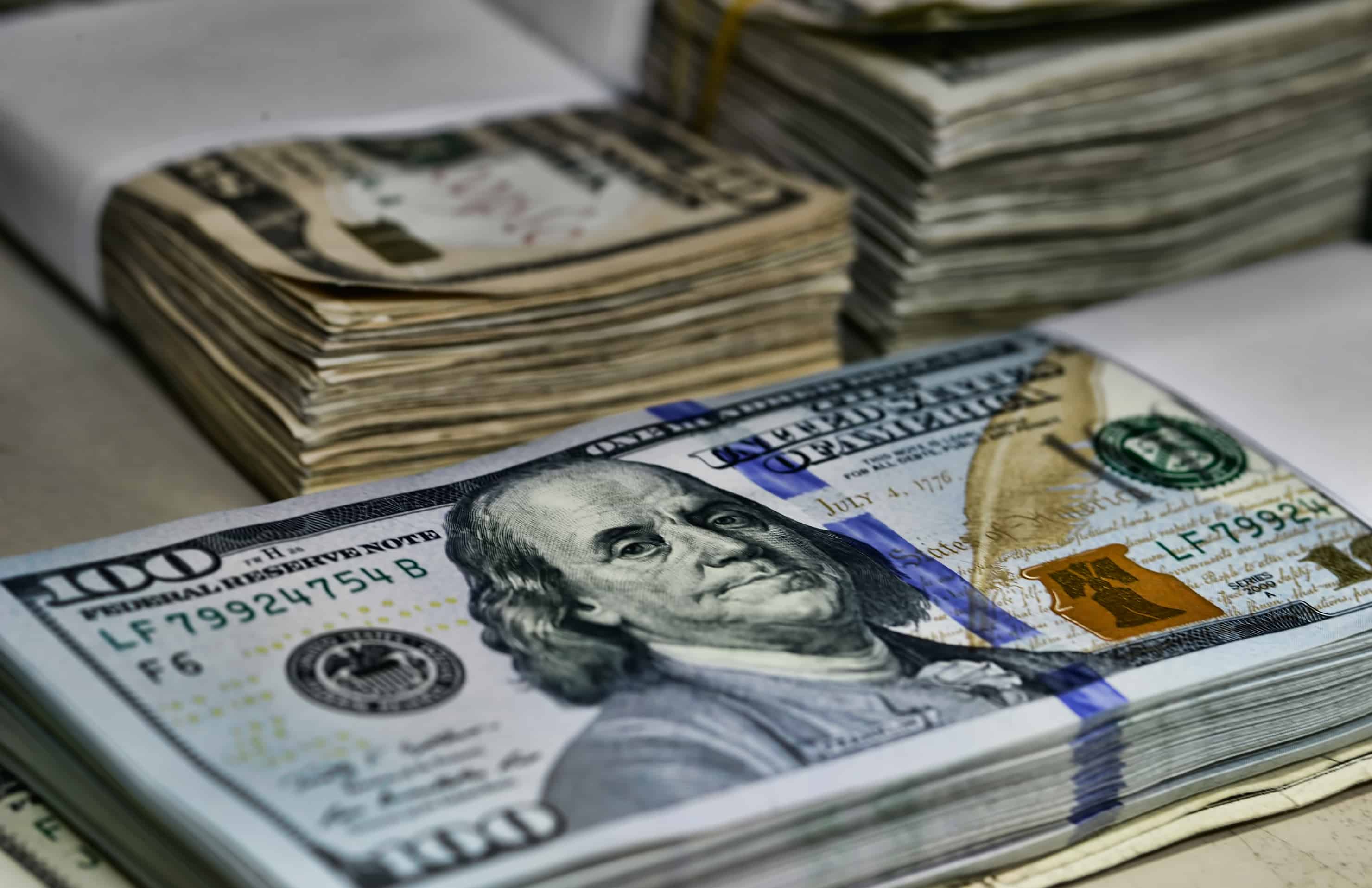
The dollar has fallen back to within two colones of its all-time low in Costa Rica, erasing most of the rebound it had in early October. The average price on Monex, the wholesale market where banks and other authorized institutions trade dollars, closed yesterday at 448.43 colones, according to Central Bank data. That was the lowest close since Sept. 18 and 1.63 colones above the record of 446.80 set on Sept. 17.
For anyone here paid in dollars, the gap with January keeps widening. On Jan. 2, the first trading day of the year, the Monex average was 497.07 colones, and the dollar exchange rate in Costa Rica has trended lower for most of the months since. At Tuesday’s average, $1,000 converts to 448,430 colones. That is 48,640 colones less than on Jan. 2, a drop of about 9.8% in just over 10 months.
The decline resumed after a brief reversal. Following the September low, the rate climbed to 460.45 colones on Oct. 1, eased through the rest of October and has fallen in each of the last five sessions. The Central Bank has been buying dollars to slow the fall. It purchased $9 million on Friday, Nov. 6, its second consecutive day in the market, bringing its stabilization purchases over the two sessions to $24 million.
The Central Bank’s dollar trading on Monex this year total $2.004 billion, of which $1.288 billion were stabilization operations. The bank says those operations are meant to moderate abrupt swings in the price of the dollar, not to set a fixed exchange rate. Carlos Valerin, an exchange-market specialist, said the October rebound was driven mainly by a 25-basis-point rate increase by the US Federal Reserve, while the Central Bank kept its own policy rate unchanged.
Valerin also pointed to the calendar. November brings aguinaldo payments, the year-end bonus required under Costa Rican law, and transnational companies typically pay the second half of December salaries early, he said. Both concentrate dollar conversions into a few weeks.
Central Bank President Róger Madrigal has described a risk running the other way. He said the gap between Costa Rican and US interest rates is likely to widen, which could encourage saving in foreign currency and capital outflows. When interest rates favor a foreign currency, Madrigal said, demand for that currency rises, which in principle should push the exchange rate up. He said the bank is monitoring the situation closely.
The strong colón has squeezed businesses that earn in dollars and pay their costs in colones, from coffee growers to medical tourism providers. It has also cut the purchasing power of residents who live on pensions or other income from abroad. Monex is a wholesale market, so the rates offered at bank windows differ from its daily average. Banks add a margin when they buy and sell dollars, and that margin varies from one institution to another.
The rate now sits closer to its record than at any point since September, and the next few days will show whether the year-end flow of dollars pushes it through.





