

Tourism businesses in Cahuita, one of our best-known Caribbean destinations, are struggling with fewer visitors, declining sales and concerns about the town’s reputation following a major police operation that dismantled an alleged drug-trafficking network earlier this year. The small coastal community in southern Limón has long depended on tourism, drawing visitors to its national park, beaches, coral reefs and Afro-Caribbean culture.
But business owners say 2026 has been particularly difficult, with some reporting significant drops in income and others temporarily closing because they cannot cover operating expenses. The downturn comes nearly four months after Costa Rican authorities carried out Operation Riverside, a massive investigation targeting a criminal organization allegedly led by Edwin López Vega, better known as Pecho de Rata.
On June 23, approximately 1,500 police officers and judicial personnel participated in 97 raids across five provinces. The operation targeted properties and businesses allegedly connected to the organization, including hotels, restaurants and vacation rentals in Cahuita. López Vega had already been extradited to the United States on March 20 to face drug-trafficking charges. Investigators believe his organization continued operating through relatives and associates after his extradition.
The police operation disrupted more than criminal activities. The organization had developed extensive economic ties within Cahuita, employing local residents through legitimate businesses and providing financial assistance to some families. Informal estimates suggest that approximately 300 people benefited from jobs connected to businesses controlled or supported by the organization. These included hotels, restaurants and other small commercial operations.
Now, several months after the raids, Cahuita is dealing with the economic consequences of the investigation while also facing broader difficulties affecting tourism along Costa Rica’s southern Caribbean coast. Local businessman Luis Ferguson, son of renowned Costa Rican calypso musician Walter Ferguson, estimates that commercial activity in his area has dropped by as much as 60%. He says the downturn began before the police operation and reflects a difficult year for tourism throughout the region.
Ferguson says visitors are not only arriving in smaller numbers but are also spending less money during their stays. That combination is particularly difficult for Cahuita, where many tourism businesses are small, family-run operations with limited financial reserves. Tour guides have reported similar problems. Some say there have been days when the number of available guides exceeded the number of tourists entering Cahuita National Park.
A boat operator estimates that his income has fallen approximately 40% compared with three years ago. Activities such as snorkeling, fishing and boat tours have been particularly vulnerable to poor weather conditions. Heavy rains between July and September forced operators to cancel excursions and kept visitors away from outdoor attractions. Some restaurants and hotels have responded by closing temporarily during periods when customer traffic is too low to justify remaining open.
However, local residents disagree about how much of the downturn can be blamed on the drug-trafficking investigation. Some business owners believe the extensive publicity surrounding the police raids has damaged Cahuita’s image, potentially discouraging tourists unfamiliar with the community. Others say the slowdown is primarily the result of seasonal conditions, poor weather and increased competition from other destinations.
There are currently no comprehensive tourism figures establishing a direct connection between Operation Riverside and the decline in business reported by individual merchants. Valeria Rose, president of the Cahuita Chamber of Commerce, has emphasized that the community should not be defined by the criminal activities of a small group of individuals.
She says Cahuita remains a working tourism community where restaurants, hotels and tour operators continue welcoming visitors. While she acknowledges that negative publicity has affected the destination’s image, she believes more information is needed to determine whether it has caused a measurable reduction in tourist arrivals.
The community’s difficulties also extend beyond tourism. A recent report from Costa Rica’s Comptroller General identified Cahuita as one of several tourism destinations struggling with inadequate public services and social development challenges.
Among the problems are unreliable access to quality drinking water, deteriorating roads and security concerns. The report also identified economic inequalities and limited educational opportunities that make it harder for local residents to develop businesses and improve their incomes.
Those problems have raised broader questions about how coastal communities can create sustainable employment opportunities and reduce the economic influence of organized crime. Despite the challenges, new tourism investments are continuing. Maureen Brenes, who recently opened a seven-room lodging business called Torre Cahuita, says she continues to see foreign visitors and considers the community a peaceful place to live and operate a business.
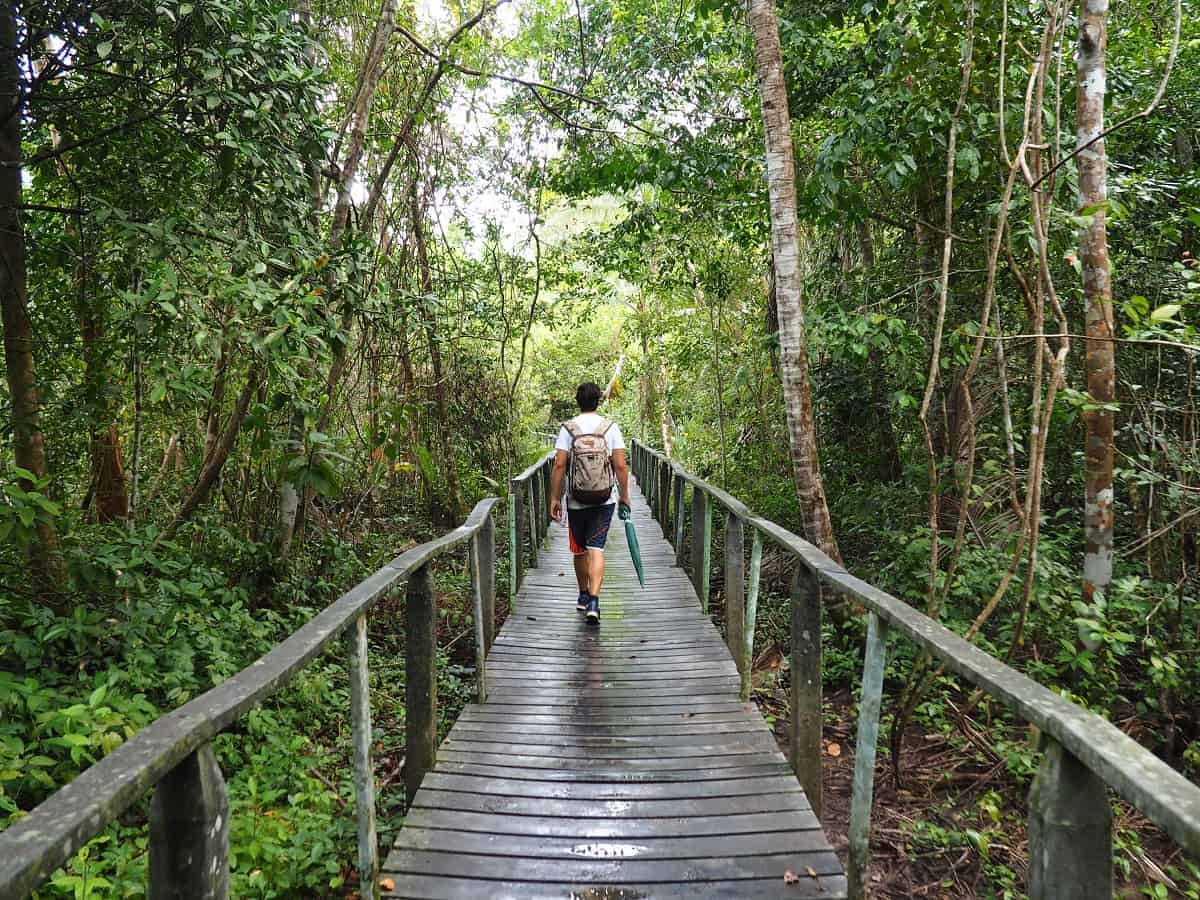
Her experience reflects an important distinction for travelers considering a visit. Although Cahuita has attracted national attention because of the criminal investigation, the town’s tourism industry remains active, and its principal attractions continue welcoming visitors. Cahuita National Park remains the centerpiece of the local tourism economy, offering hiking trails, wildlife observation, snorkeling and access to some of Costa Rica’s best-known Caribbean beaches.
For business owners, the immediate challenge is attracting visitors while rebuilding confidence in a destination whose reputation has been affected by headlines about organized crime. The larger question is how Cahuita can strengthen its tourism economy, create more opportunities for residents and move beyond the criminal organization that held considerable influence in the community for years.





