

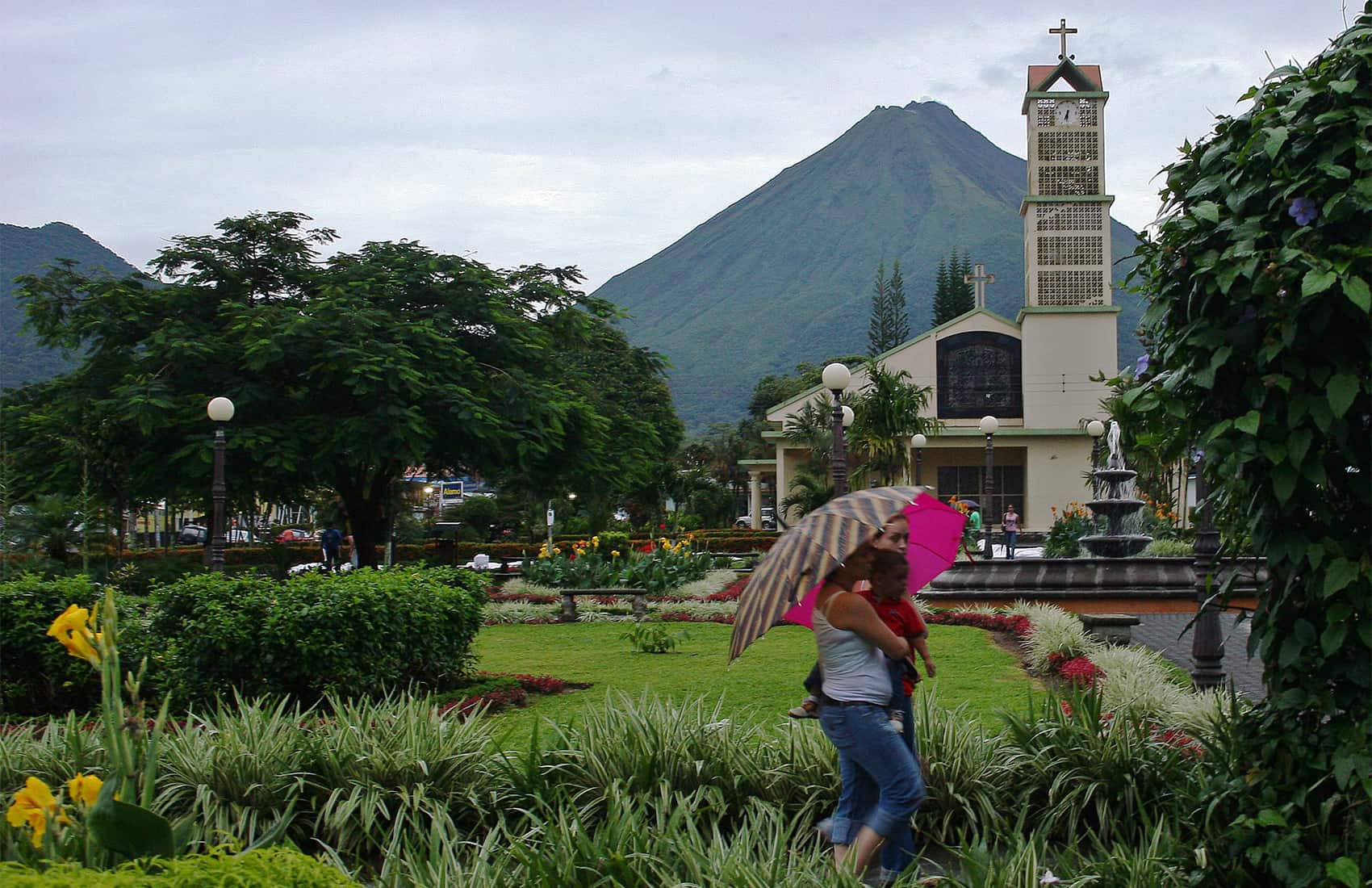
A Forbes travel feature published on the 14th argues that La Fortuna is quietly redefining what upscale dining looks like in Costa Rica, and that the shift runs in the opposite direction from where resort kitchens used to point. Written by Los Angeles–based food and travel journalist Kaila Yu, the piece opens with a simple observation about the region’s restaurants.
Luxury dining in Costa Rica’s resort towns once meant international menus built around imported ingredients. Around La Fortuna, Yu writes, local ingredients and traditional Costa Rican cooking are increasingly what high-end diners are seeking out. The article builds that case around three very different establishments, starting with Rancho, the open-air restaurant at The Vessyl, a new 48-hectare (118-acre) rainforest retreat on the edge of town.
The resort has drawn attention mostly for its wellness features, including a 4D sound dome and a vibrating sweat lodge, but Forbes frames the kitchen as central to the same philosophy. Executive Chef Delvi Saul Mendoza oversees the restaurant, which is open to diners who are not staying at the property. Yu singles out breakfast, served with Arenal Volcano rising behind the infinity pool, where even a made-to-order omelet arrives with three salsas and handmade tortillas pressed from blue, black or traditional corn.
The dishes she rates highest are the Costa Rican ones. Tamales stuffed generously with roast chicken, carne en salsa and potato picadillo carry the meal, while the broader menu runs to purple-corn tortillas topped with shrimp, passion fruit and chile, and yuca gnocchi dressed with culantro coyote pesto.
About 15 minutes away in downtown La Fortuna, Don Rufino has been working the same territory since 2005. The restaurant occupies a former cantina and is run by chef Santiago Fernández Benedetto alongside his three siblings, who named it after their grandfather, one of the area’s early settlers.
Benedetto apprenticed at Le Chandelier in San José at 15 and is now in his thirties. Forbes describes a cook less interested in elaborate technique than in the ingredients and flavors he grew up with, working through six prix-fixe menus pitched at different budgets, including a five-course tasting menu built around the Huetar Norte region.
Those menus produce snook roasted in banana leaf, octopus and leek tamales, and grilled octopus served with Blue Zone sweet potato. A short-rib ravioli folds in heart of palm from San Carlos, and one of the most personal plates on the list is a chicken dish with coffee and chocolate that Benedetto based on his grandmother’s cooking.
The third restaurant, Chandra, operates at the opposite end of the scale. Guests gather around a single table with 10 seats in the rainforest, and the seven-course dinner served each night is never announced in advance. The evening starts at 7 p.m. with a welcome drink, followed by a self-guided walk along what the property calls the Trail of Senses before diners return to the table.
The kitchen leans on Costa Rican comfort food with Mediterranean and Ayurvedic touches, sourcing its tropical fruits, vegetables, herbs, roots and spices locally, and says its menus draw inspiration from the lunar cycle. Two glasses of wine or craft beer are included. What ties the three together, in Forbes’ reading, is a deliberate rejection of the imported tasting-menu formula that once signaled sophistication in Costa Rican resort towns. Heart of palm from San Carlos, blue corn, culantro coyote and Nicoya sweet potato are doing the work that truffles and foie gras used to do on menus of this kind.
That matters for a destination that has spent two decades building its reputation on volcano views, hot springs and canopy tours rather than on what is coming out of its kitchens. La Fortuna sits in San Carlos canton, in the northern lowlands of Alajuela province, and remains one of Costa Rica’s most-visited areas.
International food coverage of Costa Rica has historically concentrated on San José and the Guanacaste coast. A Forbes dining feature anchored entirely in the Arenal region suggests the culinary map is being redrawn, and that the ingredients making the case have been in the area all along.





