
The foreign patient arriving in Costa Rica for a dental implant or a cosmetic procedure is no longer the whole picture. Hospitals here are reporting a rising share of international patients who come for surgery that requires admission, anesthesia and a supervised recovery — cancer treatment, orthopedic work, procedures that cannot be finished in an afternoon and slept off at a hotel.
Hospital Internacional La Católica treated roughly 300 international patients in inpatient and surgical care during 2025, up from about 180 the year before, according to figures released by the hospital. Melissa Sánchez Villalobos, who heads customer success at the facility, said the international patient now arrives looking for more than a discount — specialized care, technology, credentialed physicians and coordination that lets them travel with confidence and go home knowing the treatment met a standard.
The economics behind that shift are large and well documented. Central Bank of Costa Rica data compiled by the Costa Rican Chamber of Health puts medical tourism at 13.4% of international arrivals, roughly 70,000 patients a year, generating approximately $465 million — around 10.4% of the country’s tourism economy. The average medical traveler spends about $6,600 against roughly $1,200 for a conventional visitor, and most arrive with two or three companions who spend on hotels, transport and food without setting foot in a clinic.
What is changing is what those patients are buying. Costa Rica built the category on dentistry, which still accounts for 42% of demand for international medical services, and on plastic surgery, a trade that dates back more than fifty years. Hospital-grade care sits at a different price point and carries a different risk profile, and the country’s private sector has spent the past several years positioning for it.
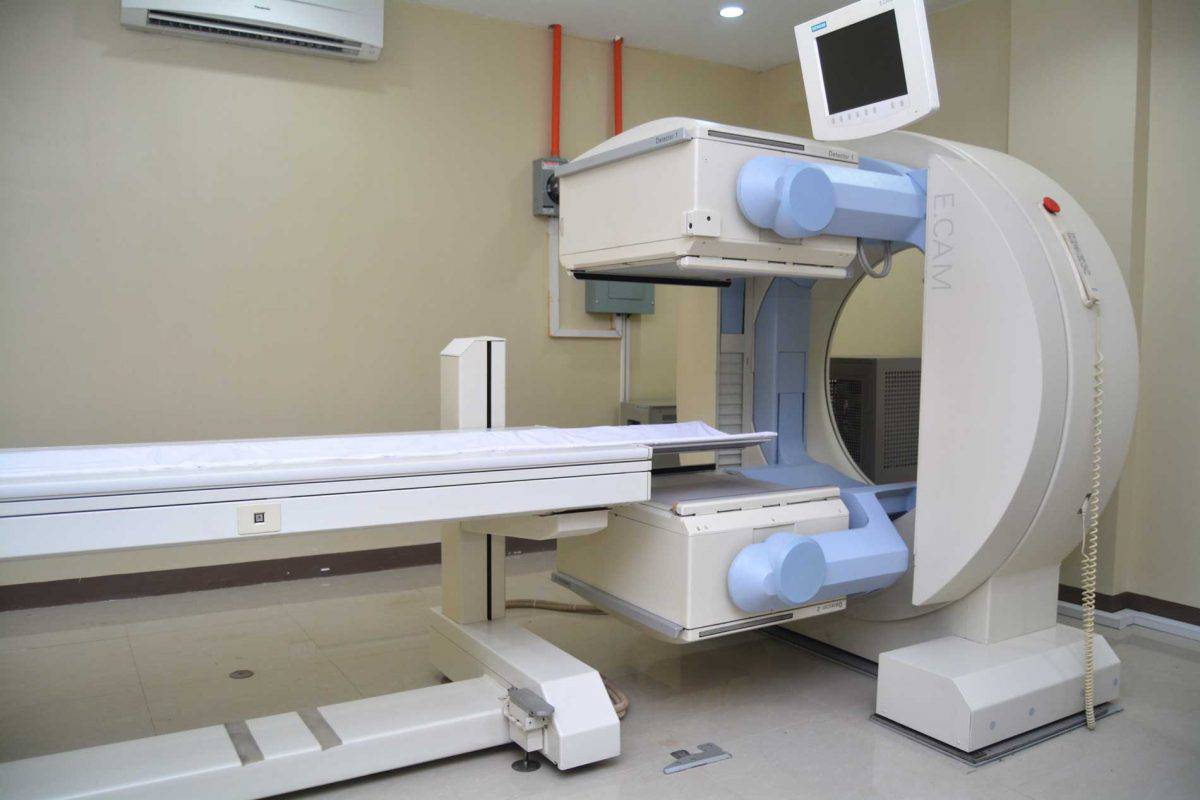
Oncology is the clearest example. Radioterapia Siglo XXI has drawn international referrals on the strength of radiosurgery capacity — high-dose radiation delivered with millimeter precision to tumors in the brain, spine, liver, lung or pancreas — and has developed agreements with Canadian organizations that refer patients abroad. The Caja Costarricense de Seguro Social has also referred insured Costa Rican patients requiring radiosurgery to the center, which is a useful signal about capacity: the public system does not outsource lightly.
Massimo Manzi, executive director of the Costa Rican Chamber of Health, has argued that international accreditation is what makes any of this legible to a patient sitting in Ohio or Ontario. Accreditations demonstrate that services delivered in Costa Rica meet global quality and safety standards, he said, and that is the factor that attracts international patients and strengthens the country’s position as a specialized destination.
The pressure pushing patients out of their home systems has not eased. Rising premiums, high deductibles and waiting lists in the United States and Canada continue to send people looking elsewhere, and Costa Rica’s proximity to North America — direct flights, same or near-same time zone, no visa requirement for stays up to 90 days — makes it an easier decision than Turkey or Thailand. Roughly 83% of medical travelers here come from the United States and 11% from Canada.
But a bigger procedure changes the calculation in ways that a cleaning and a set of veneers does not. Complications after abdominal or orthopedic surgery are more likely and more serious than after dental work. Recovery timelines are longer, which means the return flight cannot be booked tight. And follow-up care, once the patient is home, is harder to arrange when the operating surgeon is 3,000 kilometers (about 1,900 miles) away and the domestic physician was not consulted.
Anyone weighing a hospital procedure here can check credentials independently before committing. Physicians and surgeons practicing in Costa Rica must be registered with the Colegio de Médicos y Cirujanos, which maintains a public register — a separate body from the dental college that governs the dentists covered in our earlier report on Costa Rica’s dental clinic certification. Facilities, hospitals included, must hold a Certificado de Habilitación from the Health Ministry covering premises and equipment.
Insurance is where most people get caught. Medicare does not cover care received outside the United States, with narrow exceptions that rarely apply to planned surgery. Standard travel insurance policies typically exclude elective procedures undertaken abroad — the trip is the reason for the treatment, not an accident during it — and may also exclude complications arising from them. Medical evacuation coverage is a separate purchase and worth pricing before departure rather than after a problem.
The oversight question is not academic. The death of a tourist at a psychedelic retreat this month drew renewed scrutiny to a wellness sector operating with thinner regulation than hospitals, and the contrast is instructive: accreditation, licensing and habilitación are precisely the mechanisms that separate the regulated end of health tourism from the unregulated one. Patients rarely know which side of that line a provider sits on until they check.
There is also a competitiveness problem forming that has nothing to do with medicine. The colón’s run to historic highs against the dollar has made everything in Costa Rica more expensive for visitors paying in dollars, and a savings pitch built on a 40% to 70% discount against US prices narrows when the exchange rate moves against it. Mexico competes on proximity, Colombia on cosmetic and surgical volume, and both are cheaper.