

If you are heading to Guanacaste this month, pack insect repellent and treat mosquito bites as a real risk rather than a minor annoyance. The U.S. Embassy in San José has told American travelers to take active precautions against chikungunya after health officials confirmed the mosquito-borne virus is now spreading within the local mosquito population along part of the province’s coast.
The warning, issued on July 13, centers on Playa Langosta and the wider Santa Cruz area — the same beach community near Tamarindo where Costa Rica’s Ministry of Health declared an outbreak on July 1. Of 45 suspected cases investigated at that point, four were laboratory-confirmed and 17 were classified as probable, and those infected included both Costa Ricans and foreign visitors.
What has changed since then is the scale. The Health Ministry’s most recent count puts the national total at 21 chikungunya cases for 2026, up from the 16 reported when the embassy first published its alert. Cases have also been recorded beyond the Guanacaste coast, including in parts of the Central Valley — a shift that widens the map of where an infected mosquito could bite you.
The phrase health officials keep using is “local transmission,” and it is worth understanding what it means for your trip. It signals that the virus is now circulating among mosquitoes living in the area, not simply arriving in the bloodstream of travelers who caught it elsewhere. In practical terms, that raises the odds of being bitten by an infected mosquito while you are on the ground, which is exactly why the embassy stopped short of a routine reminder and issued a formal health alert.
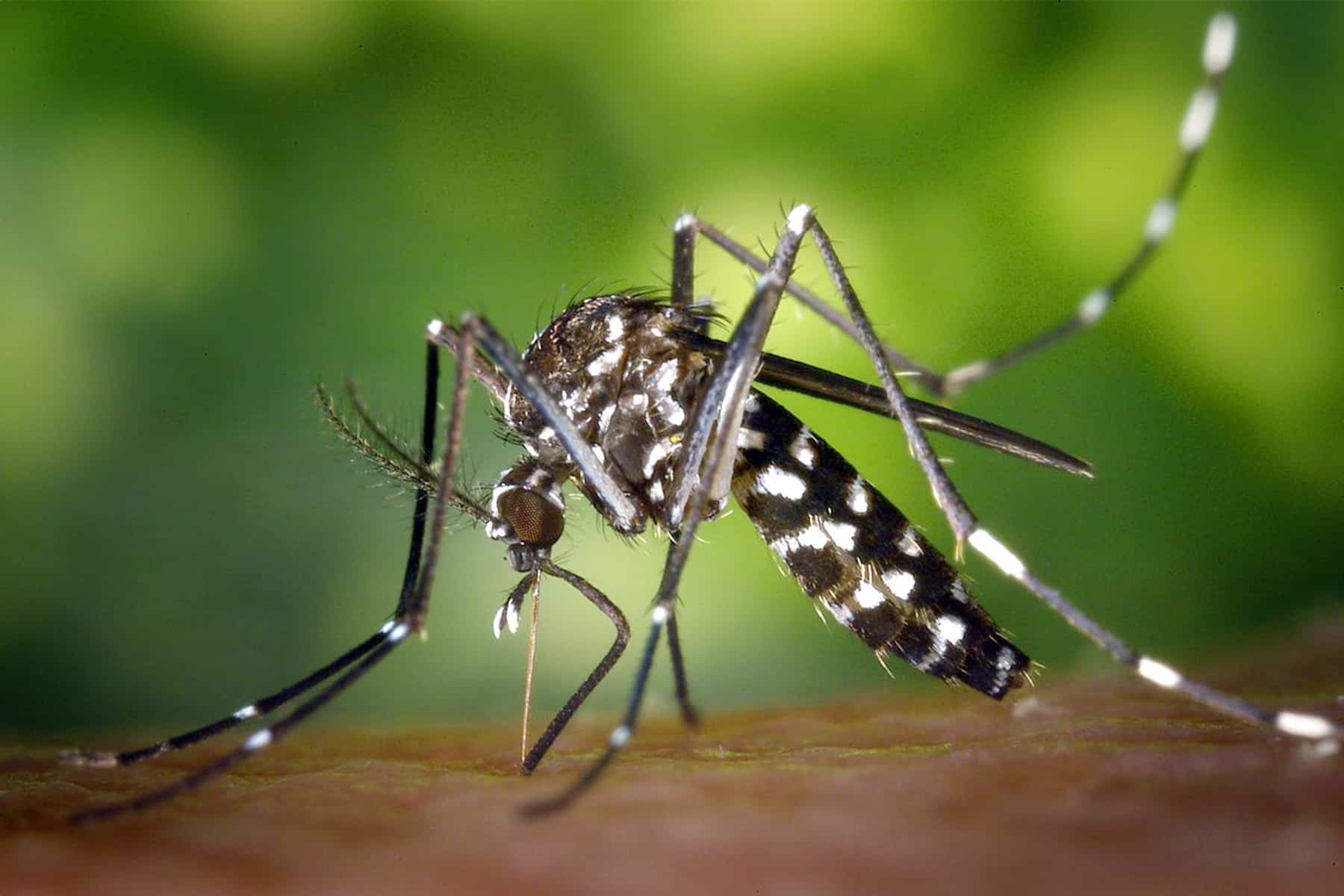
Chikungunya spreads through the bite of the Aedes aegypti mosquito, the same insect behind dengue and Zika. Symptoms usually appear four to eight days after a bite and hit fast: a sudden high fever above 39°C (102°F), severe joint pain and swelling, headache, nausea, and a general wiped-out feeling. Most people recover within one to two weeks, but the joint pain can linger for weeks or months, and it is more than enough to confine you to your hotel room for the rest of a vacation. Two chikungunya vaccines are licensed in the United States, and the CDC recommends vaccination for travelers heading into an area with an active outbreak, though eligibility depends on age and health history and the decision belongs with a travel clinic. Avoiding bites remains the defense that protects everyone, vaccinated or not.
That defense is straightforward. Use an EPA-registered repellent containing DEET, picaridin, or IR3535, and if you are also wearing sunscreen, put the sunscreen on first and the repellent second. Cover up with long sleeves and pants where the heat allows, and spend downtime in air-conditioned or properly screened rooms. Around your rental or hotel, tip out anything holding standing water — buckets, plant saucers, uncovered containers — because Aedes mosquitoes breed in surprisingly small amounts of still water close to where people sleep. If you develop symptoms during your trip or in the days after you fly home, see a doctor and mention that you were in Guanacaste.
The U.S. warning followed a matching move from the Centers for Disease Control and Prevention, which updated its Costa Rica travel notice to Level 2, “Practice Enhanced Precautions,” on July 16. The CDC asks pregnant travelers to reconsider travel to the affected areas, particularly those close to delivering, noting that newborns infected with chikungunya face a risk of severe illness.
Costa Rican authorities say containment work is ongoing. In the Playa Langosta area alone, crews have fumigated roughly 5,000 homes with specialized equipment and carried out targeted interventions at 638 properties, including inspections and the removal of mosquito breeding sites.
The Ministry of Health has urged residents and visitors across Guanacaste and neighboring communities to reinforce the same precautions the embassy is now echoing to Americans. None of this makes Guanacaste off-limits — the coast remains one of the country’s busiest tourist regions — but it does mean a bottle of repellent belongs in your beach bag this season.
Correction, July 31, 2026: An earlier version of this article said there was no vaccine in routine use for travelers and that the CDC advised pregnant travelers to avoid the affected area entirely. Two chikungunya vaccines are licensed in the United States and the CDC recommends vaccination for travelers going into an outbreak area, and the notice asks pregnant travelers to reconsider travel rather than avoid the area outright. Both points have been corrected above.





