

Costa Rica’s environmental prosecutors are warning that wildlife trafficking is no longer just a scattered problem of people capturing animals for pets or private collections. Authorities now say some trafficking networks are beginning to operate more like organized crime groups, with defined roles, routes and markets.
The warning was delivered by José Pablo González, deputy environmental prosecutor and coordinator of Costa Rica’s National Environmental Security Commission, during a recent seminar on organized environmental crime. González said the country is getting close to a point where drug trafficking groups could absorb or control parts of the illegal wildlife trade if Costa Rica does not strengthen its laws and enforcement.
The concern is not that prosecutors have confirmed a full takeover by drug cartels. The warning is more specific: wildlife trafficking is becoming attractive because it can generate high profits while carrying lower risks than drug trafficking, illegal mining or other criminal businesses.
Prosecutors and animal welfare specialists say traffickers are already using more organized structures. In some cases, one person captures the animal, another transports it, and another handles the sale. Officials also said some operations use river or coastal routes that overlap with drug routes, damaging mangroves, estuaries and canals along the way.
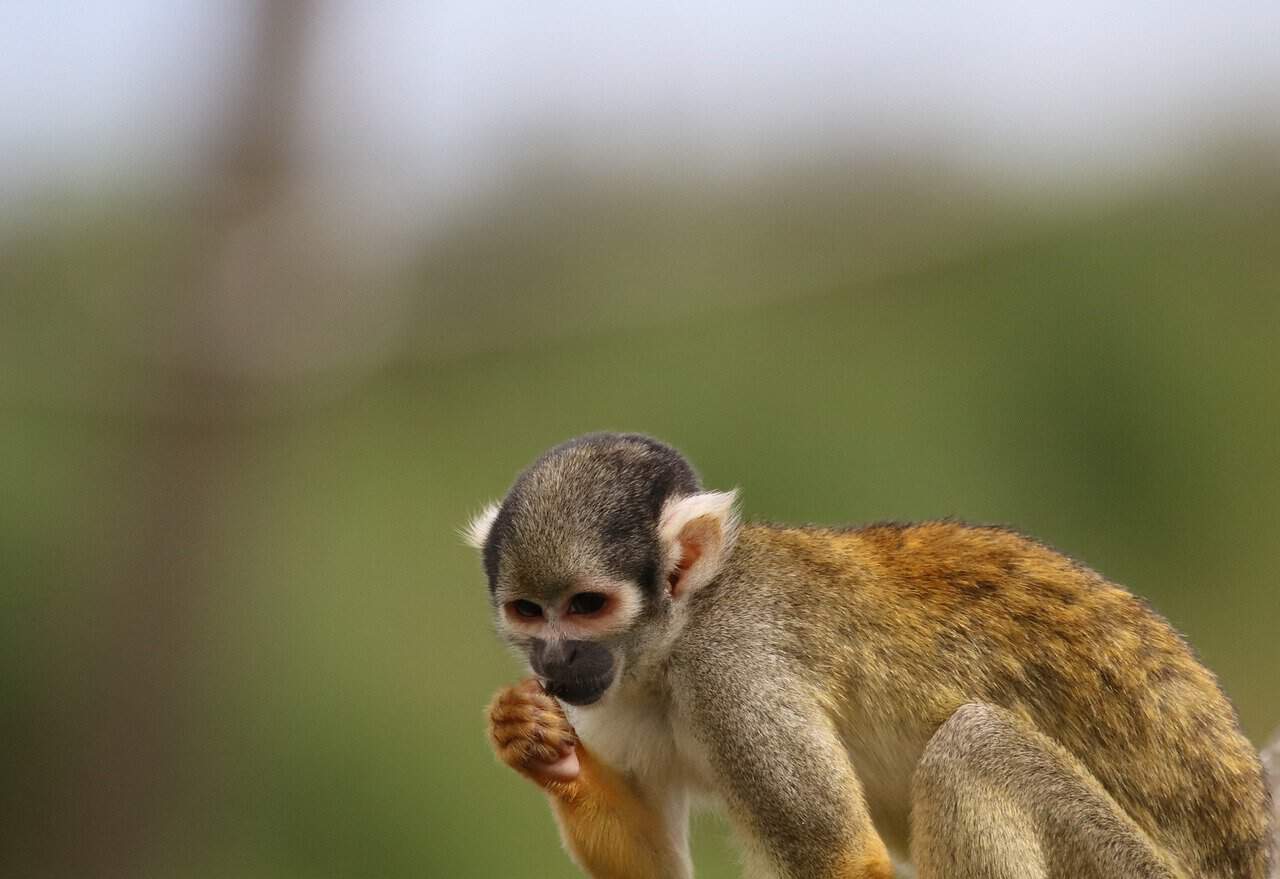
Among the species most sought by traffickers are squirrel monkeys, known locally as monos tití, glass frogs, morpho butterflies, snakes, beetles and other reptiles, insects and mammals. Some are sold as exotic pets. Others are collected as trophies, ornaments or private display animals.
Costa Rica’s reputation as one of the world’s most biodiverse countries makes the problem especially sensitive. The same wildlife that draws tourists, researchers and photographers also attracts traffickers who target rare, colorful or unusual species for buyers abroad.
González said squirrel monkeys are especially attractive because their natural range is limited to Costa Rica and Panama. That makes them valuable in illegal markets where buyers want species they cannot easily find in North America or elsewhere in Central America.
The warning follows a March operation in the Northern Zone, where prosecutors said authorities rescued five sloths, including three adults and two babies, along with six snakes, several glass frogs and a tapir. The animals were found during six raids, including searches at tourism-related sites.
The case shows a recurring problem for Costa Rica’s tourism industry. Wildlife tourism is one of our strongest draws, but illegal handling, keeping or selling of wild animals can undercut that same image. Authorities have repeatedly warned that buying or posing with illegally held wildlife helps keep trafficking networks alive.
Semanario Universidad reported last week that about 1,000 wild animals are illegally removed from their habitats in Costa Rica each year, citing data from the Public Ministry. Those animals may be sold as pets, trafficked abroad, used as trophies or placed in private collections.
Andrea Borel, executive director of Humane World for Animals Costa Rica, said the trade should be understood as a chain, not as isolated acts. Animals are captured, transported and kept in poor conditions before reaching buyers. Many die before they can be sold. The ecological damage can last far beyond the loss of one animal. Removing wildlife from forests and wetlands can affect seed dispersal, pollination, food chains and breeding populations. For small or vulnerable populations, even limited extraction can have a serious impact.
International agencies have also warned that wildlife trafficking is increasingly tied to organized criminal networks. The United Nations Office on Drugs and Crime said in its latest World Wildlife Crime Report that wildlife trafficking has not been substantially reduced over the past two decades and that seizures from 2015 to 2021 involved about 4,000 plant and animal species across 162 countries and territories.
In Latin America, the problem is also becoming more regional and more complex. An Interpol-led operation announced last year found hundreds of environmental crime cases across nine countries, including illegal logging, wildlife trafficking, illegal fishing, mining and pollution offenses. Costa Rica was among the countries that took part.
Costa Rican prosecutors say the legal tools have not kept pace with the way these crimes now operate. González and other officials have pushed for stronger environmental-crime laws, including penalties that would allow investigators to use organized-crime tools when networks are involved.
The Public Ministry has backed a proposal that would consolidate 205 environmental offenses currently spread across multiple laws into a smaller number of criminal articles, raise penalties for some crimes and create new offenses. Prosecutors argue that without stronger penalties, traffickers can treat wildlife crime as a low-risk business.
Authorities say the next step is political. Costa Rica has spent decades building its international image around conservation and biodiversity. Prosecutors now warn that if environmental crime is not treated with the same seriousness as other organized criminal activity, the country risks losing part of the natural wealth that made that image possible.





