
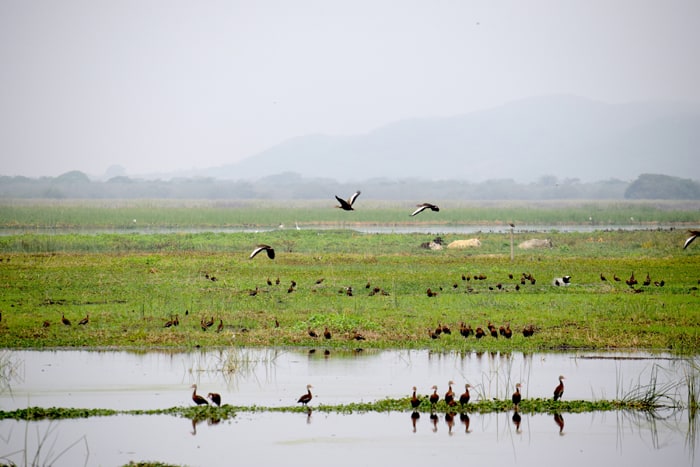
Palo Verde is also known for its ecological importance beyond tourism. Its wetlands cover about half of the park and form part of a Ramsar site, an international designation for wetlands of global importance. The area includes a mix of habitats, from flooded forest and mangroves to limestone hills, grasslands and tropical dry forest.
For travelers in Guanacaste, the reopening restores access to one of the aresa’s most distinctive national parks. Palo Verde is an easy day trip from Liberia, Bagaces and parts of the Nicoya Peninsula, while boat tours along the Tempisque and Bebedero rivers remain one of the best ways to see the area’s birds, crocodiles, iguanas and wetland scenery.
SINAC has the park’s regular hours as daily from 8 a.m. to 4 p.m. Visitors can access the park by land from Bagaces along a gravel road or by boat through the Tempisque River area. Travelers should check conditions before visiting, especially during the rainy season, when access roads can be affected.
The wildfire also leaves longer-term questions for conservation staff. Authorities have not yet released a complete assessment of wildlife losses from the 2026 fire. Previous fires in the area have hit reptiles, amphibians, nesting birds and other animals that cannot escape fast-moving flames.
The Catalina wetland has been heavily affected by Typha, a tall, cattail-like plant that can spread aggressively and crowd out native wetland vegetation. When it dries, it leaves behind thick, highly flammable plant material. Environmental officials said that buildup helped fuel the Palo Verde fire and allowed the flames to move quickly through the wetland.
For now, the reopening marks a step toward normal operations at one of Costa Rica’s most distinctive national parks. But the scale of the fire is a reminder of the growing pressure facing Guanacaste’s protected areas as dry conditions, invasive vegetation and extreme fire behavior become harder to manage.