

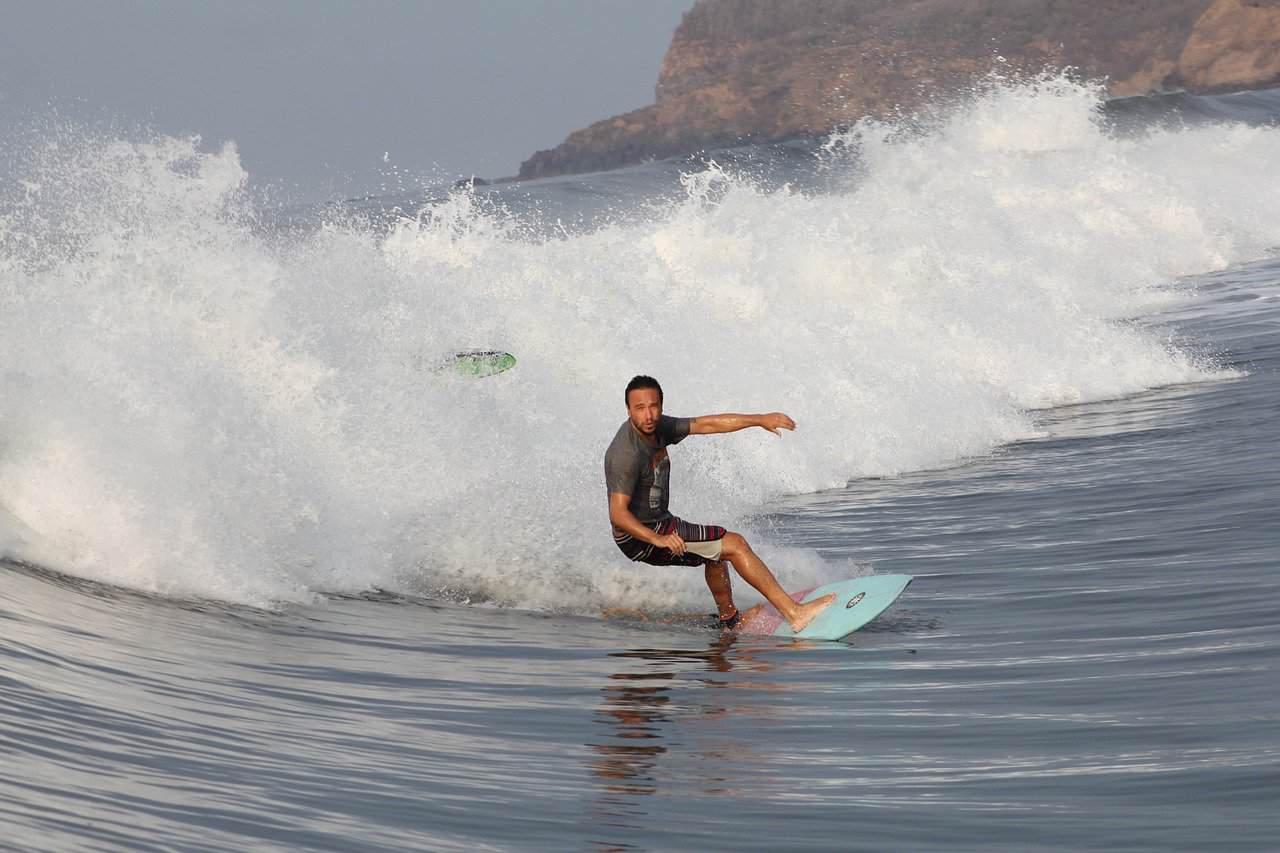
For decades, surfers chasing Central America’s best waves flew straight past El Salvador on their way to Costa Rica. That’s over. With year-round swells and long right-hand waves, El Salvador may be the smallest country in Central America, but it packs a punch, and the secret is well and truly out. If you’re booking your first trip, here’s what you need to know before you wax a board.
El Salvador is the land of the right-hand point break. The waves here are more than geography — they’re a vibrant, growing culture, and what makes the country special for a first-timer is that everything sits within easy reach. Its mixture of point, reef and beach breaks means that whether you’re a seasoned pro or paddling out for the first time, there’s a wave with your name on it.
The water is warm enough that you’ll surf in boardshorts year-round, the currency is the U.S. dollar so there’s no exchange-rate math, and the swell is relentless. Surfing here is consistent all year, with more than 300 days of rideable surf annually.
Start in Surf City: La Libertad and El Tunco
The center of gravity is the stretch the government rebranded “Surf City.” It’s roughly a 10-mile run of coast packed with waves, and there’s almost always something breaking. La Libertad and its main wave, Punta Roca, anchor the scene, located about 25 miles south of the capital, San Salvador.
For your base, make it El Tunco. It’s the country’s most famous surf town, with the liveliest vibe on the coast and a string of good hotels. Directly out front sit two very different waves. El Sunzal is your friend as a beginner or improver: a consistent reef point break with smooth right-handers and a laid-back lineup, surrounded by surf camps that cater to every ability.
It’s the kind of long, forgiving wall you can ride forever while you find your feet. Right next door, La Bocana is the opposite animal — El Tunco’s most powerful wave and one of the few left-handers in the region, a fast, hollow river-mouth break best left to advanced surfers.
A word of warning about the headline act. Punta Roca, a 10-minute drive away, is probably the best wave in the country — a world-class right-hander that has hosted international competition. But it is not a beginner spot. El Salvador’s biggest hazards are the rocky shorelines around its point breaks, and at Punta Roca the rocks get genuinely slippery. Watch it from the rocks, admire it, and come back when you’re ready.
Level up at El Zonte and Mizata
When El Sunzal starts to feel easy, two spots are worth the short hop. El Zonte offers more technical sections and doubles as the famous “Bitcoin Beach” — a good intermediate proving ground 15 minutes from El Tunco. Push a little further and Mizata, about 45 minutes west, rewards the drive with a mix of beach, reef and point breaks and far smaller crowds. It’s one of the best all-round spots in the country for escaping the weekend rush, and it’s beautiful to boot.
The Wild East: Las Flores, Punta Mango and El Cuco
If you have a week or more, save time for the “Oriente Salvaje” — the Wild East. Las Flores sits roughly two hours from the airport, in a small fishing village where the surf community is famously friendly. This is the spot I steer first-timers toward who want a real point-break experience without the elbows. It’s a forgiving right-hander that suits novices learning to read a lineup, yet has enough open face, walls and bigger outside peaks to keep intermediates busy for days. Nearby El Cuco breaks over sand rather than rock, making it softer and more playful — a dream for intermediates.
Then there’s Punta Mango, the trophy wave. It’s a remote, high-quality right point reached mostly by boat, where the best days produce rolling, hollow peelers that can run more than 500 meters. It’s powerful and hollow, which is exactly why the east is better suited to intermediate-and-up surfers than to first-timers. Book a guided boat trip from Las Flores, go with a coach, and treat it as the reward at the end of a progression.
When to go
Timing depends on your level. For the biggest swells, come between March and October, when the strongest ocean energy lights up the heavy breaks. The rainy season from May to October is when experienced surfers chase overhead waves at Punta Roca and Punta Mango. If you’re learning, flip that logic. Between November and February the swell is smaller, making it the perfect window for newcomers, with clean conditions, light offshore winds, and friendly, waist- to head-high point breaks ideal for progression.
Getting there, getting around, staying safe
Here’s the part that changes everything for a first-timer. El Salvador’s reputation has been transformed. A government ‘State of Exception’ policy launched in 2022 dramatically reduced violent crime, and tourist areas like Surf City are now bustling with international visitors. The country welcomed more than 3.4 million international visitors in 2024, a 33% jump on the prior year, according to the Ministry of Tourism. The Surf City beaches are generally safe and welcoming, though normal travel caution still applies.
Logistically it’s simple. Most visitors fly into El Salvador International Airport (SAL), about 45 minutes from San Salvador, and the coast is an easy run from there. Many surfers head straight to the beach on arrival via pre-booked private transfers, and Uber operates reliably and is often cheaper than official taxis. The country uses the U.S. dollar, so bring small bills for taxis, markets and tips, even though cards work in city hotels and restaurants. Many nationalities enter visa-free for up to 90 days; make sure your passport has at least six months’ validity.
A last note from experience: respect the rocks, lather on sunscreen, and don’t paddle out at a point break above your level just because the lineup looks fun. El Salvador’s waves are generous to surfers who arrive humble. Pick El Sunzal or El Cuco to start, work your way up the coast, and you’ll leave understanding why this little country has muscled its way onto every serious surfer’s list.





