

Costa Rican President Laura Fernández has raised the stakes in a long-running trade dispute with Panama, ordering her foreign minister to pursue international action over restrictions that continue to block a range of Costa Rican agricultural exports from entering the neighboring market.
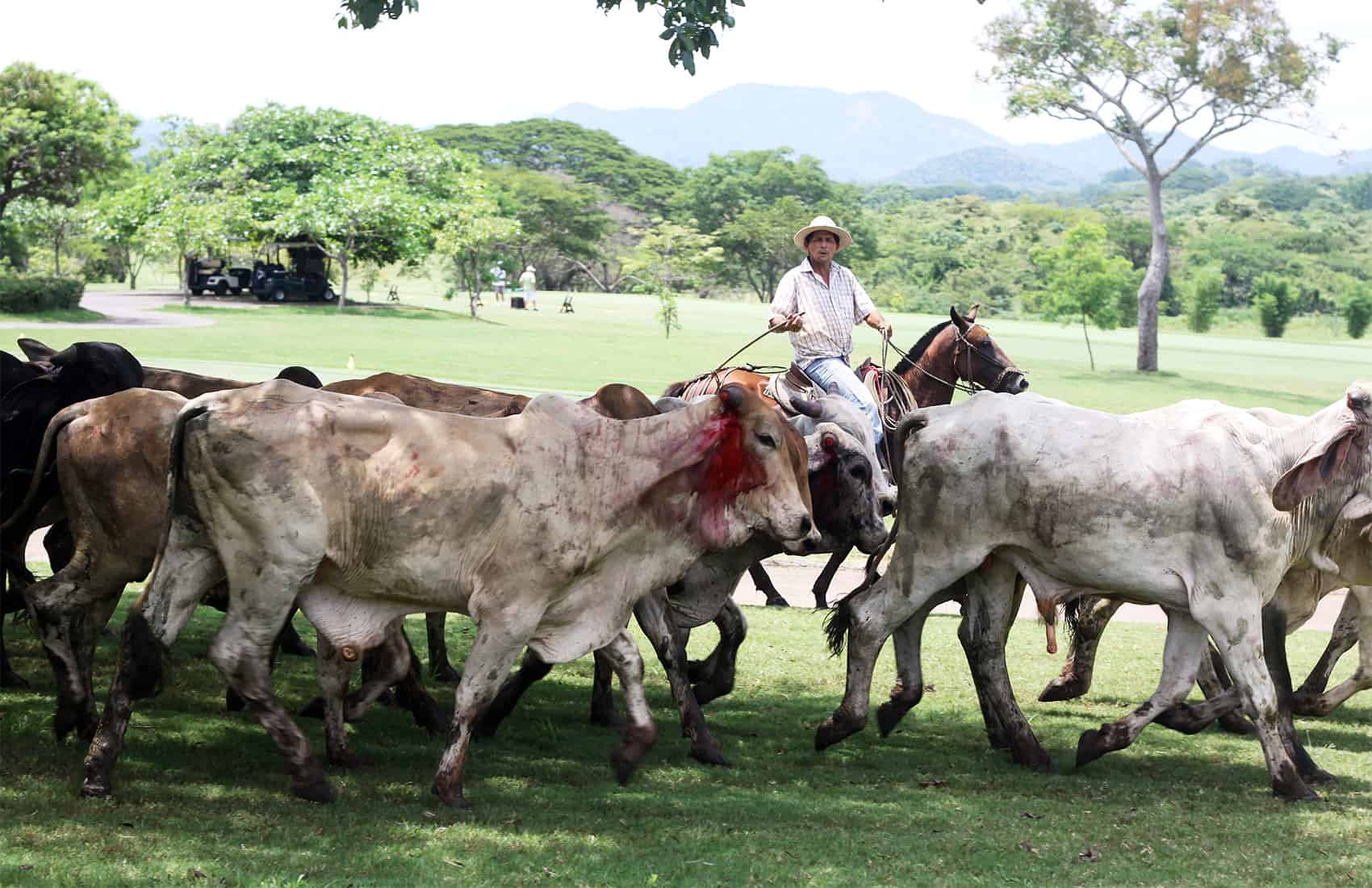
The move came Friday, just one week after Fernández took office, and only days after Panama said it was open to talks with Costa Rica on the dispute, but only under conditions it considers reciprocal and fair. Panama has kept restrictions in place on Costa Rican beef, pork, poultry, dairy products and several fruits and vegetables, including strawberries, pineapples, plantains and bananas.
“The issue of the trade blockade that Panama has imposed on our agricultural products is an absolute priority for me,” Fernández said during a visit to an agricultural area in Cartago.
The president said the matter had moved beyond the normal negotiation channels of the Ministry of Foreign Trade and had been placed directly in the hands of Foreign Minister Manuel Tovar. She said Tovar had been instructed to activate “the mechanisms of international diplomacy and international actions” to try to resolve the dispute.
“I am on the side of Costa Rican producers, and we are not going to tolerate any imbalance in the commercialization and export of our country’s products,” Fernández said.
The dispute dates back to 2019 and 2020, when Panama imposed sanitary and phytosanitary restrictions on Costa Rican products. Costa Rica has argued that the measures amount to an unjustified trade barrier, while Panama has maintained that it is protecting public health, food safety and its domestic producers.
The case reached the World Trade Organization, where a panel ruled in favor of Costa Rica in 2024. Panama appealed the decision in January 2025, leaving the restrictions in place while the case remains unresolved.
Panama responded sharply to Fernández’s comments, rejecting what it called any attempt to portray the dispute as a unilateral or arbitrary action by Panama. The Panamanian government said it would continue defending itself “with serenity and firmness” in the WTO process and argued that its appeal is a legitimate right under the multilateral trade system.
Panama also accused Costa Rica of applying sanitary and commercial restrictions against Panamanian producers for years, saying those measures had affected companies, jobs and productive sectors in Panama. Its Foreign Ministry said the country has the “right and sovereign obligation” to protect public health, food security and the interests of its national producers.
The latest exchange marks an early foreign-policy test for Fernández, who inherited a dispute that has become both commercial and political. Earlier this week, Panama’s Minister of Commerce and Industries, Julio Moltó, said President José Raúl Mulino’s government was willing to sit down with Costa Rica, but only under “the same rules” for both countries. Panamanian cattle producers quickly pushed back, saying no Costa Rican meat or dairy should enter Panama until the underlying issues are settled.
For Costa Rican producers, the dispute affects access to one of our country’s closest regional markets. For Panama, the issue has become tied to demands for reciprocity and claims that its own exporters have faced barriers in Costa Rica.
The harder tone from San José suggests Fernández does not intend to let the issue remain in a slow technical process. Her administration is now framing the dispute as a priority for Costa Rican farmers and exporters, while Panama is signaling that it will not back down unless any agreement also addresses its concerns.
For now, both governments say they remain open to dialogue. But the path has narrowed. What began as a sanitary dispute over agricultural products has become one of the first diplomatic flashpoints of Fernández’s presidency.





