

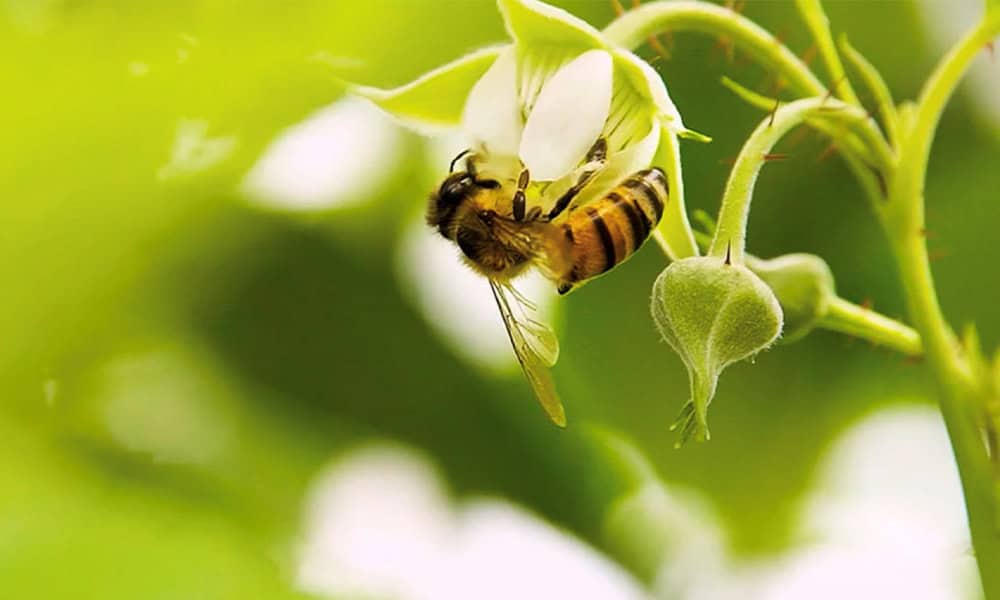
Costa Rica’s beaches, forests, farms and mountain trails draw millions of visitors each year. Most arrive prepared for sunburn, mosquitoes, rough surf and the occasional stomach bug. Far fewer think about bees. That is a mistake.
For most people, a bee sting causes short-term pain, redness and swelling. For a small number of people, it can trigger anaphylaxis, a fast-moving allergic reaction that can affect breathing, blood pressure and the heart. A clinical review of fatal reactions found the median time to respiratory or cardiac arrest after venom anaphylaxis was 15 minutes, which gives victims very little margin for delay.
The danger is not limited to people who already know they are allergic. Severe reactions can occur after earlier stings caused only normal swelling or discomfort. Symptoms that should be treated as an emergency include trouble breathing, swelling of the tongue or throat, trouble swallowing, tightness in the chest, dizziness, widespread hives or collapse.
Costa Rica has an added concern: Africanized honeybees are present in our country. These bees are not more venomous sting by sting, but they are more defensive around a nest and can respond in large numbers when disturbed. Recent academic work continues to document Africanized honeybee colonies in Costa Rica, while public safety guidance on Africanized bees warns people to move away from swarms or nests and seek shelter if bees begin to chase.
That risk is not theoretical. In March, an attack at a school in Guápiles left 50 people with stings, including 22 children, with two children reported in urgent condition. Local reports also noted earlier 2026 incidents, including the death of a 74-year-old man in Orotina after a tractor struck a tree and disturbed a swarm. In April, the traditional pilgrimage to the ruins of Ujarrás in Cartago was suspended after bee attacks and the presence of swarms along the route raised safety concerns.
Tourists and residents are most likely to run into bees during outdoor activities: hiking, farming tours, horseback riding, zip-lining, birdwatching, rafting stops, waterfall visits, outdoor dining and stays in rural lodges. The issue is not that these activities are unsafe. It is that many of Costa Rica’s best-known attractions are in places where emergency medical help may be far away.
Anyone with a known bee, wasp or insect venom allergy should speak with a doctor before traveling and carry epinephrine at all times. Allergy specialists recommend that people who rely on injectable epinephrine keep two doses available and activate emergency medical services after using it. The people traveling with them should also know where the injector is and how to use it, because anaphylaxis can leave a person unable to treat themselves.
For travelers without a known allergy, basic awareness can reduce risk. Avoid strong fragrances outdoors, be careful around flowering plants, do not disturb hollow trees or visible nests, and pay attention to bees entering and leaving a single opening in a wall, roof, tree or ground cavity. If a swarm or nest is nearby, move away. Do not throw objects, spray chemicals, hit the nest or try to remove it.
If bees begin to chase, the advice changes: run in a straight line, cover the face and eyes if possible, and get inside a building or vehicle. Do not jump into water, since Africanized bees may wait above the surface.
After a sting, remove the stinger quickly if one is visible, monitor symptoms closely, and seek emergency help immediately if there are signs of a systemic reaction or if the person has received many stings. For a known allergy, epinephrine should not be delayed while waiting to see whether symptoms worsen.
Costa Rica remains one of the safest and most rewarding places in the region for nature-based travel. Bee stings will never be a major problem for most visitors. But they belong on the same practical safety checklist as rip currents, dehydration and mosquito-borne illness. The danger is rare, but when it happens, minutes matter.





