

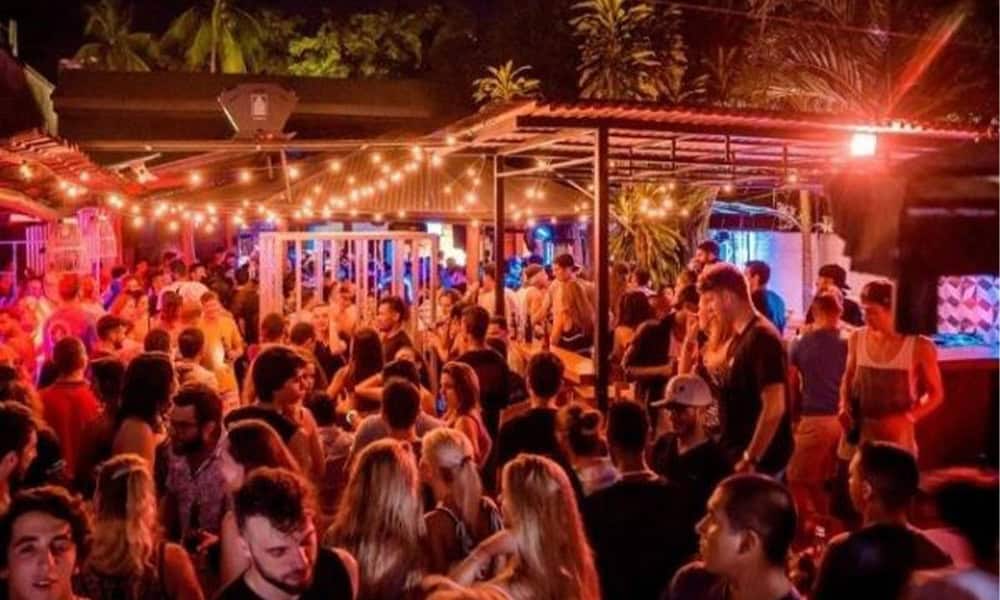
Costa Rica’s Pacific coast filled up over the Easter holiday weekend as thousands of vacationers headed to beach towns in Guanacaste and Puntarenas, pushing traffic, public safety, and emergency services to the limit. The surge was part of the country’s annual Semana Santa exodus, with heavy movement toward coastal destinations and a return wave expected today.
The scale of the holiday rush was visible well before Easter Sunday. Costa Rica’s hotels had already projected strong demand for the March 27 to April 5 period, with national occupancy expected to average 75 percent. Guanacaste led the country with a projected 91 percent occupancy rate, followed by the northern plains at 88 percent and Puntarenas at 82 percent, underscoring how strongly travelers favored beach and nature destinations this year.
Authorities had also been preparing for the pressure on roads linking the Central Valley to the Pacific. The Ministry of Public Works and Transport announced that Route 27 would operate with a reversible traffic flow today, from Pozón to the Ciudad Colón toll area to help ease the return of vacationers, especially those coming back from Puntarenas and Guanacaste. The measure reflects how large the Easter beach migration has become during the final weekend of the break.
The crowds have come with growing risks on the ground. Public Security officials warned before the holiday that fights tend to increase in high-density public spaces during Semana Santa, especially at beaches and tourist zones where large groups gather. At the same time, the Costa Rican Red Cross reported a sharp rise in emergencies tied to the holiday rush, including 35 critical traffic accidents during the morning of Good Friday alone. The institution said it deployed roughly 500 responders and more than 120 attention points as mobility increased across roads, beaches, and tourism areas.
Ocean conditions have added another layer of danger. Reports issued during Holy Week warned of Pacific waves reaching up to two meters along with rip currents, a combination that becomes more dangerous when beaches are crowded and swimmers enter unfamiliar waters. Those concerns turned real on Saturday, when a 17-year-old was reported missing after being pulled out by a rip current at Playa Bejuco in Parrita.
The wider holiday movement has not been limited to the coast. More than 40,368 people were recorded at Costa Rica’s airports and border posts at the start of Holy Week, showing how broad the seasonal travel spike has been. Still, the Pacific beaches remain the clearest symbol of the Easter getaway, with packed shorelines, long travel times, and an economy that benefits from the rush even as authorities struggle to manage the strain that comes with it.
As Easter Sunday draws the holiday to a close, the biggest challenge is shifting from beachside congestion to the mass return inland. Officials are urging drivers to take the trip back slowly and beachgoers to stay alert near the water, as the same crowds that helped fuel a strong holiday tourism showing have also made this one of the busiest and most pressured weekends on Costa Rica’s Pacific coast.





