

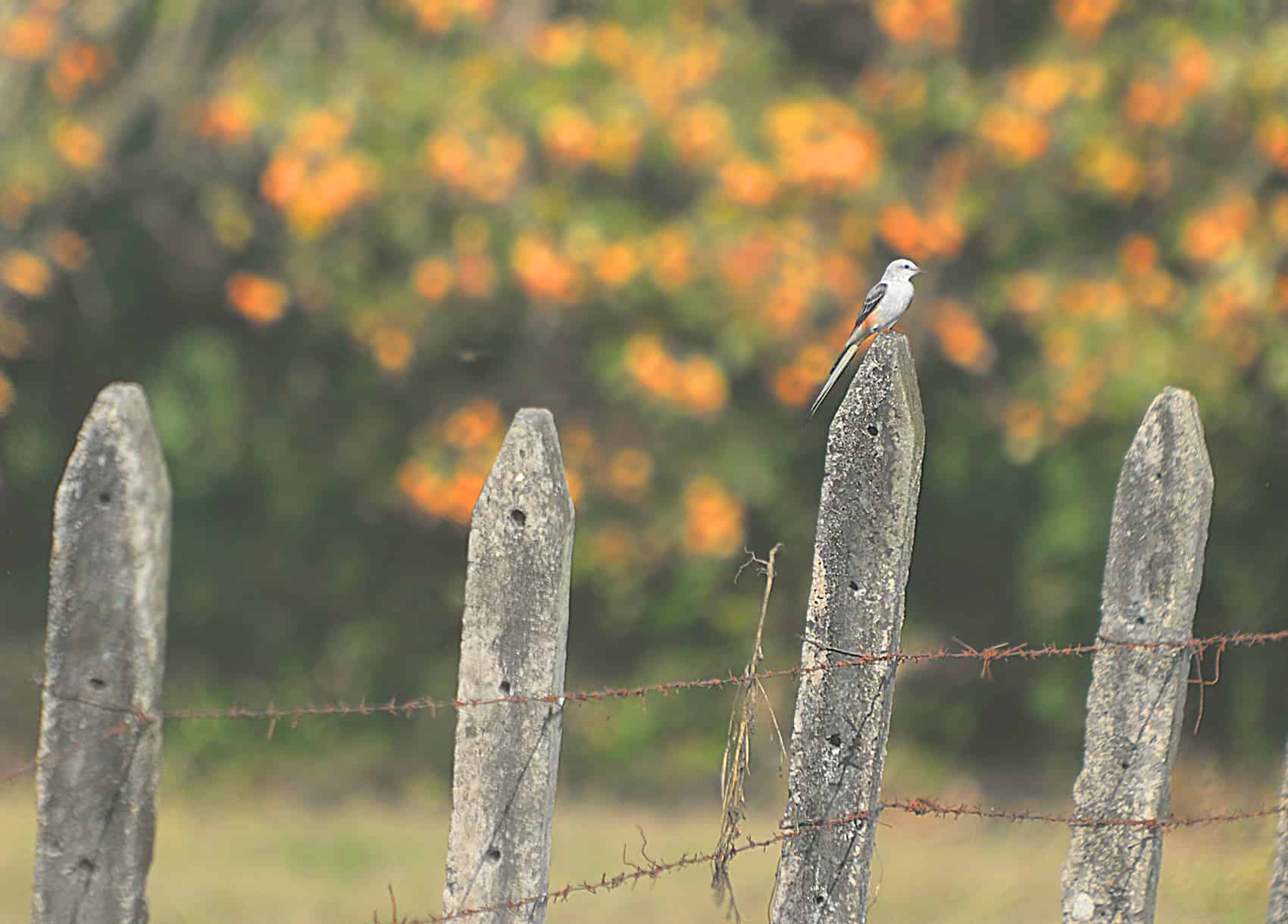
Puriscal is one of Costa Rica’s best-kept birdwatching secrets a rugged, forested area in the province of San José that sits at around 945 meters on the Pacific slope, close enough to the capital to reach in an hour yet wild enough to feel like a completely different world. Most birders bypass it on their way to Monteverde or Tortuguero, which means those who do make the journey find themselves sharing the trails with almost no one else, a rarity in a country where ecotourism has grown enormously.
The heart of birdwatching in Puriscal is La Cangreja National Park, a 2,570-hectare protected area established primarily to shelter birds, and especially the large numbers of migratory species that pass through in fall and spring. The park’s name comes from Cerro La Cangreja, a peak at 1,305 meters whose shape, according to indigenous legend, resembles a giant crab.
Its terrain descends dramatically from that summit down to humid river valleys at around 300 meters, and that elevation gradient means birders move through multiple microhabitats in a single morning’s walk. Groups who spend a full day in the park routinely report totals of 100 species or more, and the trogon family alone has six representatives here — including the gartered trogon and the violaceous trogon making it a destination of genuine significance for any serious lister.
The species variety in Puriscal reflects its position as a transition zone between Pacific dry forest and wetter highland forest. Scarlet macaws are a regular presence, as are yellow-throated toucans, sunbitterns, guans, motmots, and a dizzying range of hummingbirds. The Río Negro trail, the park’s main walking route, follows a crystalline river through primary forest where antbirds, woodcreepers, and flycatchers work the understory while raptors circle overhead.
Pumas, ocelots, coatis, and white-faced capuchin monkeys share the habitat, which adds to the experience of moving through genuinely intact wilderness rather than a managed reserve. The park also protects two plant species found nowhere else on Earth Plinia puriscalensis and Ayenia mastatalensis a reminder of just how ecologically significant this overlooked corner of Costa Rica is.
Puriscal follows the Pacific slope’s seasonal rhythm. The dry season runs from December through April, when trails are most accessible, foliage thins enough to make birds easier to spot, and resident species enter their most active breeding and courtship phase. The wet season, May through November, transforms the landscape into something lush and almost impossibly green.
Birding during these months requires an early start before the afternoon rains arrive, but the payoff is extraordinary: nesting activity, reduced competition with tourists, and significantly lower prices at lodges. September and October are rainier, though October also marks the peak of the southbound hawk migration, when Swainson’s hawks, plumbeous kites, wood storks, and swifts pour through the ridgelines above Puriscal in numbers that have to be seen to be believed.
Migration is a major part of what makes this area special. From mid-August onward, the first wave of boreal migrants begins filtering in from North America, with waterfowl arriving earliest. By November, the full cast of wintering warblers including Blackburnian, Black-throated Green, and Tennessee warblers has settled into the forest alongside the area’s resident species.
This overlap between familiar North American migrants and exotic neotropical residents lasts through April, making the dry season not only the most comfortable time to visit but also the most species-rich.
For accommodation, the village of Mastatal, just outside La Cangreja’s boundary, is the ideal base. Rancho Mastatal is an ecolodge and permaculture education center with over 300 acres of wildlife refuge, more than 10 kilometers of trails, and direct access to the forests where the birding happens. It is a warm, community-rooted place run by people who genuinely care about the land around them.
A second option, Finca Mastatal, offers a similar close-to-nature experience in the same village. For those who prefer more amenities, small guesthouses in the town of Santiago de Puriscal serve as a comfortable base about 35 kilometers from the park entrance.
Puriscal rewards the curious traveler who is willing to leave the well-worn circuit behind. The birds are extraordinary, the trails are beautiful, and the whole experience carries the feeling of genuine discovery.





