
To most Americans, Costa Rica is a place of jungle canopy tours, pristine beaches, and the national motto “Pura Vida.” It is not the kind of country that typically shows up in discussions about immigration enforcement. That changed last week.
Costa Rican President Rodrigo Chaves signed a formal agreement with the Trump administration agreeing to accept migrants deported from the United States, not Costa Ricans sent home, but nationals of entirely other countries that the U.S. wants to remove and has nowhere obvious to send them.
The Central American nation joins a growing number of countries across Africa and the Americas that have signed contentious, often secretive agreements with the U.S. to accept deportees from other countries as President Trump pressures governments to help advance his agenda. It should be noted that President Chaves is leaving office in less than two months due to term limits.
The mechanics of the deal are specific. The U.S. government will notify Costa Rica 48 hours before each deportation flight, providing the name, sex, date of birth, nationality, and criminal record of those being transferred to the extent that information is available. Costa Rica reserves the right to accept or reject any individual case, and only non-U.S. nationals can be sent under the agreement. The country has agreed to receive up to 25 people per week, though the Costa Rican government can choose to exceed that number at its own discretion. The United States has indicated that they will not take no as an answer.
For an international audience, it is worth understanding just how unusual this is for Costa Rica. The country has long positioned itself as a stable, peaceful democracy — it famously abolished its military in 1948 and has historically leaned toward humanitarian principles in its foreign policy. Becoming a processing hub for the Trump administration’s global deportation strategy represents a striking shift in that identity, and it has not gone unnoticed domestically.
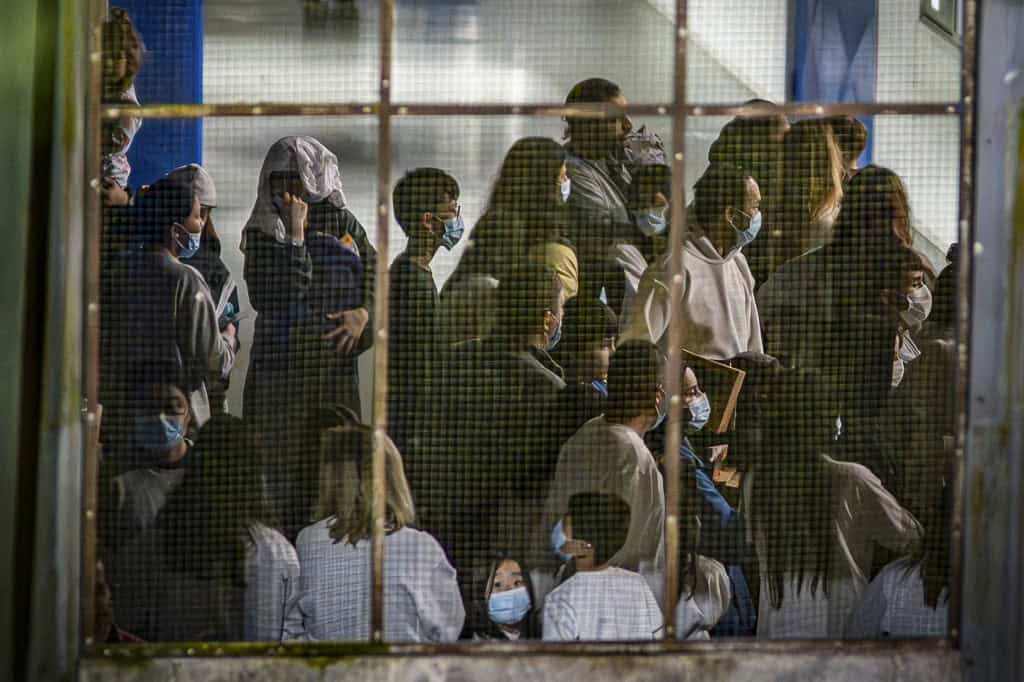
The reason it feels so abrupt is that Costa Rica has already lived through a troubled preview of this arrangement. In 2025, Costa Rica received 200 deportees from countries including Russia, China, Uzbekistan, and Afghanistan. Deportees half of whom were minors had their passports seized and were locked up for months in a rural detention facility near the Panama border, an incident that fueled lawsuits and accusations of human rights abuses. The country’s supreme court ordered their release last June.
Human rights organizations have noted that during that earlier episode, detainees did not have timely access to information on asylum rights, received inadequate medical care, and in some cases were ultimately returned to countries where their safety was at risk. That history casts a long shadow over the new, more formalized agreement.
Up to 25 arrivals per week would turn Costa Rica into a recurring destination for third-country deportees not simply an emergency partner in an isolated transfer. Legal observers and local journalists have pointed out that key questions remain unanswered: how long deportees may stay in the country, where exactly they would be housed, and what legal options they have if returning to their home countries is delayed or blocked by a court.
The financial arrangement also raises questions. The agreement describes U.S. compensation through the International Organization for Migration in terms of expectation rather than guarantee, noting that funding will be subject to availability. In other words, Costa Rica is assuming real operational and legal responsibilities without iron-clad funding commitments.
The broader context matters too. The Trump administration has spent at least $40 million to deport roughly 300 migrants to countries other than their own, and legal experts have warned that such agreements can effectively circumvent laws that forbid sending people to places where their lives would be threatened.
For Costa Rica, the long-term implications are significant. A country that built its international reputation on neutrality and environmental stewardship is now embedded in one of the most controversial immigration enforcement programs in the world. Whether it can carry out this new role without repeating the legal chaos and human rights concerns of the first round and whether its courts will let it remains very much an open question.