

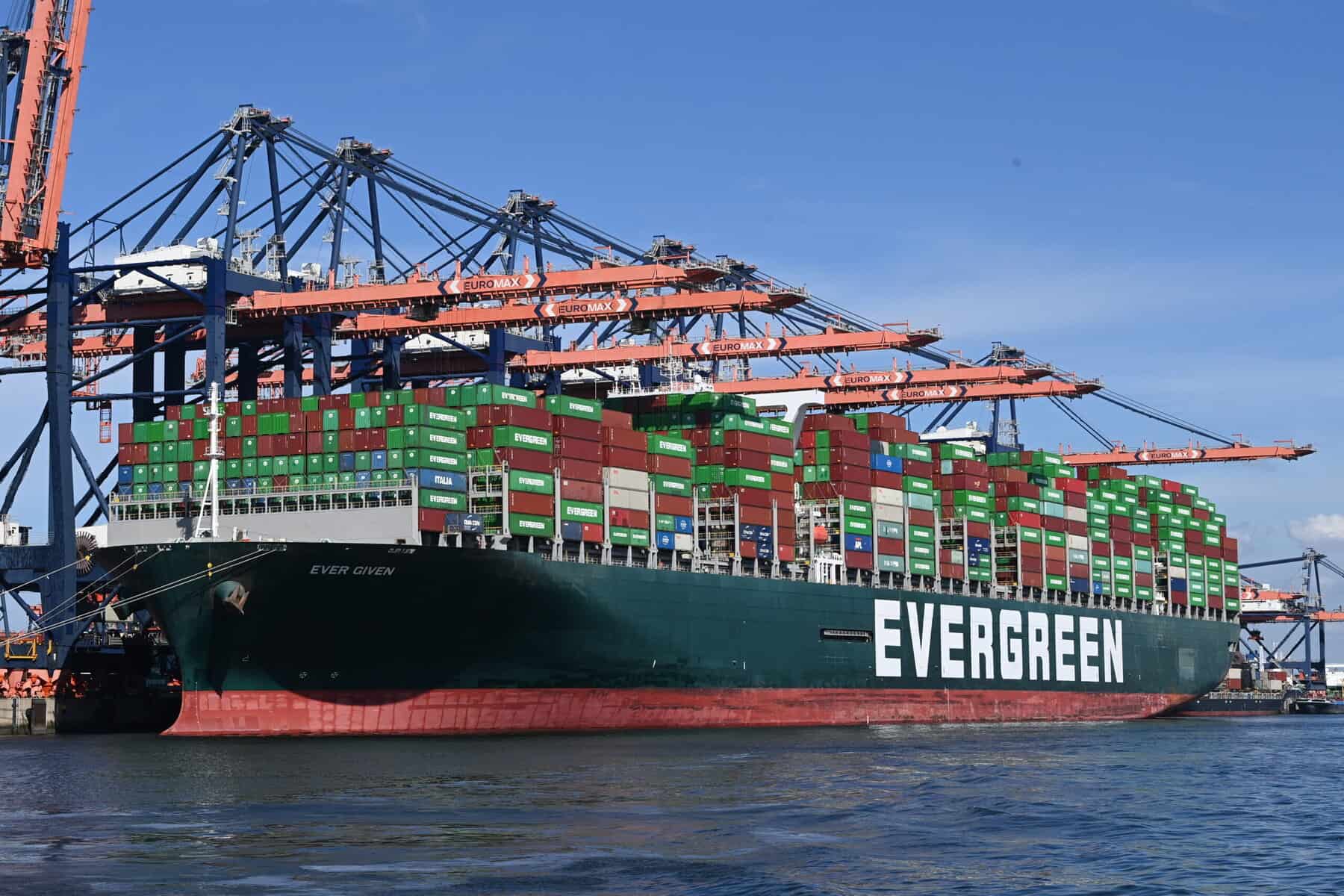
The U.S. Federal Maritime Commission is closely monitoring a surge in the detention of Panama-flagged vessels at Chinese ports.
Officials link the increase to Panama’s takeover of two key container terminals near the Panama Canal from a Hong Kong-based operator earlier this year.
Panama’s Supreme Court ruled on January 30 that the concession held by Panama Ports Company, a subsidiary of CK Hutchison, for the Balboa and Cristobal terminals was unconstitutional. The government seized control of the facilities on February 23 after publication of the ruling in the official gazette. It named APM Terminals, part of Denmark’s Maersk group, and Terminal Investment Limited, part of Switzerland’s Mediterranean Shipping Company, as interim operators for up to 18 months.
FMC Chair Laura DiBella issued a statement on March 26 that highlighted the developments. China has imposed a surge in detentions of Panama-flagged vessels in its ports under the guise of port state control inspections, she said. The actions far exceed historical norms.
These intensified inspections were carried out under informal directives and appear intended to punish Panama after the transfer of Hutchison’s port assets, DiBella added.
Panama-flagged ships carry a meaningful share of U.S. containerized trade. The detentions could create significant commercial and strategic consequences for American shipping, according to the statement. Industry data show nearly 70 Panama-flagged vessels detained in Chinese ports since March 8. Reports indicate that in one five-day period alone, 28 such ships accounted for more than three-quarters of all detentions at Chinese facilities.
The Panama Canal terminals handled cargo at both ends of the waterway for nearly three decades under the CK Hutchison concession granted in 1997. The court ruling followed an audit that identified irregularities in the original contract and its extensions. CK Hutchison has rejected the Panamanian decision. The company has filed an international arbitration case against Panama and now claims damages exceeding $2 billion. It accuses authorities of unlawfully seizing property, including cranes, vehicles and computer systems.
China has denied that the ship detentions amount to retaliation. Foreign Ministry spokesperson Lin Jian said on March 28 that repeated U.S. comments on the matter only expose Washington’s intention to seize control of the canal. Beijing summoned representatives from Maersk and MSC to high-level meetings in the Chinese capital. Separately, state-owned carrier COSCO suspended some liner services at the Balboa terminal and rerouted vessels.
The dispute has drawn in major global shipping lines and added to broader U.S.-China tensions over influence around the Panama Canal, which carries about 5 percent of world seaborne trade. Panamanian officials have described the court ruling and subsequent takeover as matters of domestic law and national interest. They say the move ensures continued operations at the strategic terminals while a new long-term concession process moves forward.
The FMC statement noted that the commission has legal authority to investigate foreign government practices that create unfavorable conditions for shipping in U.S. foreign trade. It continues to track the situation for any effects on global supply chains. Shipping industry observers report that some lines are already adjusting routes and schedules to avoid potential delays in Chinese ports. No widespread disruptions to Panama Canal transits have been reported so far.





