

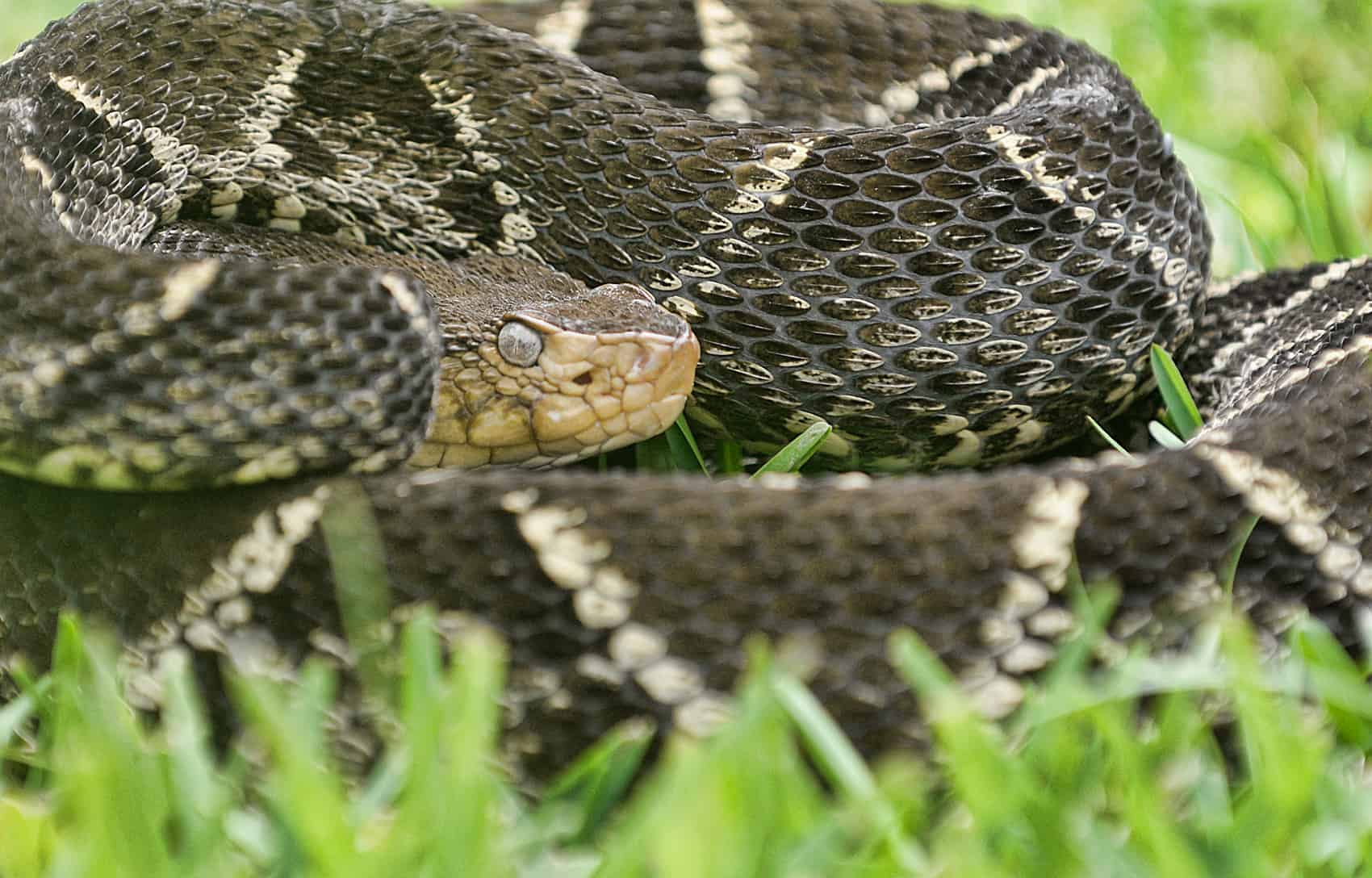
Costa Rica now has its first mobile app designed to help people identify venomous snakes and respond to bites. The Clodomiro Picado Institute at the University of Costa Rica developed the free tool, called the ICP App, to cut down on snakebite incidents across the country. The institute already produces antivenoms that save lives.
It created the app to address a steady stream of requests from people who send in photos of snakes and ask if the animals pose a danger. Dr. Andrés Hernández, the institute’s chief pharmacist, said the inquiries show a clear gap in public knowledge about these reptiles. The app puts accurate, science-based details in users’ hands so they can act fast instead of guessing or turning to unreliable sources online.
Hernández explained that the idea took shape after repeated calls and messages. “Almost every day we receive a photo of a snake and are asked what kind it is and whether it’s poisonous,” he said. “Sometimes, people even tell us they’ve already killed the snake, something completely unnecessary. Seeing that this was a constant occurrence and that the need for information was clear, we decided to promote this mobile app to provide scientifically backed information.” Computer systems engineering student Fernando Morales Cascante helped turn the concept into a working app.
The tool covers the 25 venomous snake species found in Costa Rica. Users see clear photos, learn about each snake’s behavior and where it lives, and get step-by-step guidance on what to do if a bite occurs. It also includes first-aid instructions, details on the institute’s antivenom production, and a list of official distributors around the world.
Health workers gain from the app too. Quick identification helps doctors make better decisions when patients arrive at clinics or hospitals. Dr. Yamileth Angulo Ugalde, director of the institute, noted that the app lets people report the exact area where an incident happened. That information feeds into reports coordinated with the Ministry of Health, which improves tracking of snakebite patterns nationwide.
Navigation stays simple. Menus lead straight to species photos and organized sections. One feature lets users tap an interactive map by province to see which snakes appear in each region. The app also shows 12 non-venomous species that people often mistake for dangerous ones. Clear language and direct links keep everything easy to follow, even for those with no background in the subject.
Hernández stressed the value of staying calm during an encounter. Snakes usually bite only when they feel threatened, so the best move is to keep a safe distance and call the fire department for safe removal instead of trying to handle the animal. The app reminds users of the snakes’ role in the ecosystem. Both venomous and non-venomous species help control rodent and other populations, and Costa Rica’s many national parks make respectful distance even more important.
The ICP App is ready for download on Android devices through the Google Play Store and on iOS through the Apple App Store. Anyone in Costa Rica can get it at no cost and start using the information right away.





