

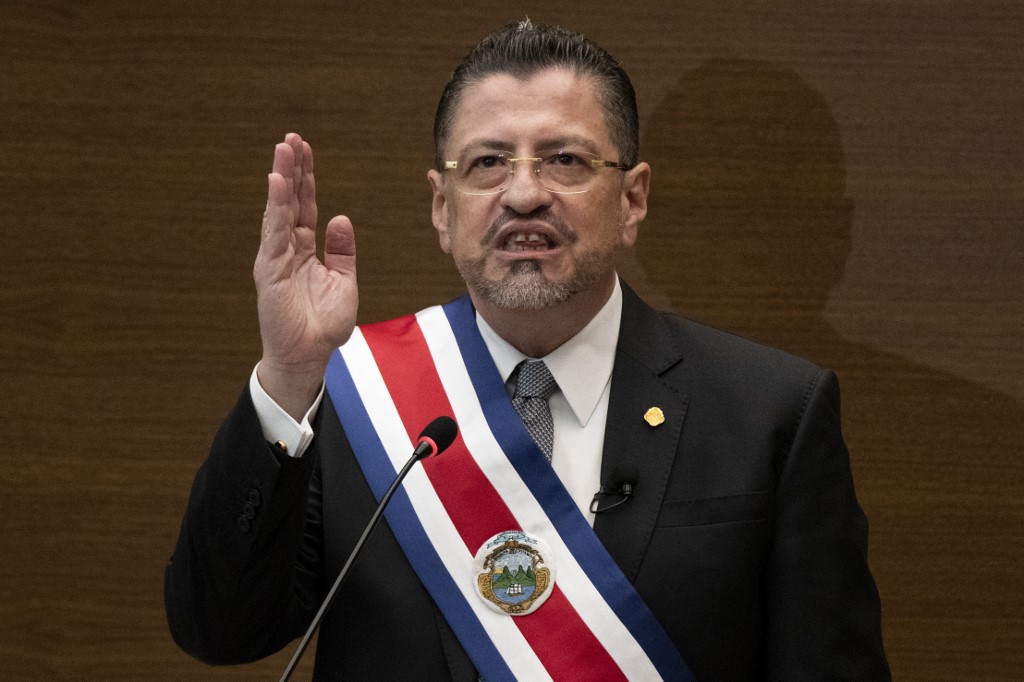
President Rodrigo Chaves said he has not ruled out running for the presidency again once his current term ends. In a recent interview with Mexican newspaper Milenio, Chaves addressed questions about his political future. He stated he would consider a return if the situation in Costa Rica demanded it.
“Lo consideraré si hace falta,” Chaves said, according to reports on the interview. He added that he is not focused on returning to power at this time. Any decision would depend on what the country needs and the will of its citizens. Chaves made the comments while discussing other topics, including Costa Rica’s foreign policy positions. His remarks come as his administration nears its conclusion following the February elections that brought President-elect Laura Fernández to power.
The president emphasized that his priority remains completing his current responsibilities. He did not provide a timeline or specific conditions beyond the need for national circumstances to require his involvement. Political observers note that Costa Rican law prohibits immediate re-election, though Chaves stopped short of any formal announcement. His statements mark the first public indication from the president himself that he views a future candidacy as a possibility under the right conditions.
Chaves has maintained high approval ratings throughout his term, which supporters credit to his focus on security and economic issues. Critics, however, have raised concerns about his confrontations with other branches of government. The interview with Milenio aired as Chaves wrapped up international engagements and prepared for the transition period. No further details on potential plans emerged from the discussion.
Chaves’ comments have sparked immediate reactions across social media and political circles in Costa Rica. Supporters see them as a sign of commitment to public service, while others question the timing so close to the end of his mandate. The president did not elaborate on how he would assess whether the country “needs” his return. He simply left the door open without committing to any course of action.
This development adds a new element to discussions about Costa Rica’s political landscape heading into the next electoral cycle in 2030.
Here is the full interview dubbed in English:





