

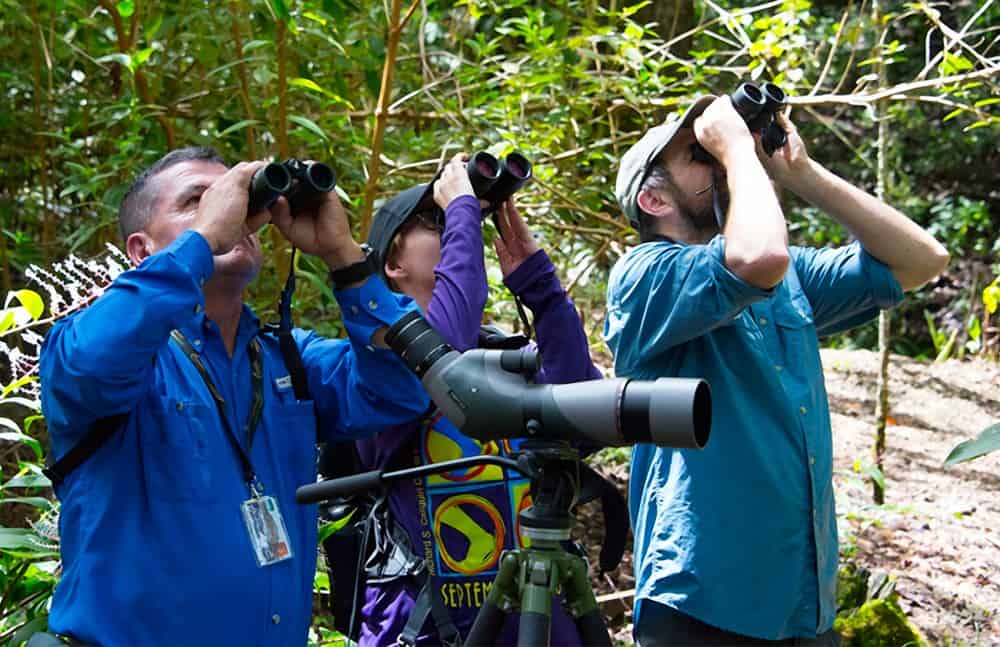
Costa Rica Tourism officials have been pushing birding as a dedicated segment, leaning on two things birders care about most: species density and logistics. ICT materials cite more than 900 recorded bird species in the country and frame birdwatching as a growing tourism niche supported by observation sites and specialized routes.
One of the clearest examples of how that strategy shows up on the ground is Tortuguero National Park, where a structured bird survey reported a record 186 migratory and resident species in a single event, surpassing prior counts and reinforcing Tortuguero’s pull for serious birders and wildlife photographers.
Costa Rica’s pitch to birders is simple: you can see a lot, fast, across multiple ecosystems, without spending your trip on long transfers. ICT’s own framing describes birdwatching tourism as a “constantly growing niche” that offers a wide variety of species “without having to travel long distances,” backed by national programs tied to research and development of birding tourism.
The backbone of that approach is the country’s national birdwatching route program. In ICT’s birdwatching route guide, Costa Rica promotes a National Birdwatching Route made up of 12 main nodes across the country, involving seven national parks, one national wildlife refuge, plus private reserves and nearby communities. The route is organized across four bird zones: Tropical Dry Forest, Highlands, Caribbean Tropical Wet Forest, and South Pacific Tropical Wet Forest.
That national structure matters for travelers because it turns “go to Costa Rica and look for birds” into an itinerary you can actually plan. It also signals that birding is being treated as a product category, not just a side activity bundled into generic nature tours.
Tortuguero’s record count illustrates why this is working. ICT’s report on the survey describes roughly 70 participants covering nine aquatic and land routes starting before dawn, with results that included the 186-species record and a first record for a species noted in the preliminary findings. In plain terms: this is the kind of destination where organized field effort still turns up surprises, and where birders can stack a big list in a short window if conditions cooperate.
For birders visiting Costa Rica this year and beyond, the travel takeaway is that the “birding map” is getting more explicit. The route framework points you toward multi-ecosystem planning: pair Caribbean lowlands with highlands, or mix dry forest with the South Pacific, rather than staying in one habitat and hoping the checklist fills itself.
It’s also a signal that Costa Rica is courting the higher-spend corner of nature travel: small-group guiding, dedicated photography days, and multi-stop circuits built around target species and habitat variety. The Tortuguero survey result is being used in that context, as proof of destination value for birding-focused trips.
For visiting birders, three practical planning notes follow from the way ICT is packaging this niche:
First, plan by habitat, not by province. The route concept explicitly separates bird zones, and your species results will track those habitat changes more than anything else.
Second, treat Tortuguero as more than a turtle trip. The park’s canals and surrounding habitat are already famous with general tourists, but the documented 186-species survey result strengthens the case for building a dedicated birding block there, especially if your trip includes photography time.
Third, use guides strategically. ICT’s route guide describes birding as a specialized service with decades of experience in the country, and the route model itself is built around identifiable sites where local guiding and logistics are part of the product.
Costa Rica has been marketing birding internationally for years, including promoting the national bird route strategy at specialized events like the UK’s Birdfair, where ICT highlighted the route concept alongside the country’s bird diversity. The difference now is that the messaging is increasingly tied to concrete route infrastructure and measurable field results, like Tortuguero’s survey.
For birders, that’s good news. It means fewer guesswork days, more predictable planning, and a country that’s putting real effort into keeping birdwatching travel organized, marketable, and worth the airfare.





