

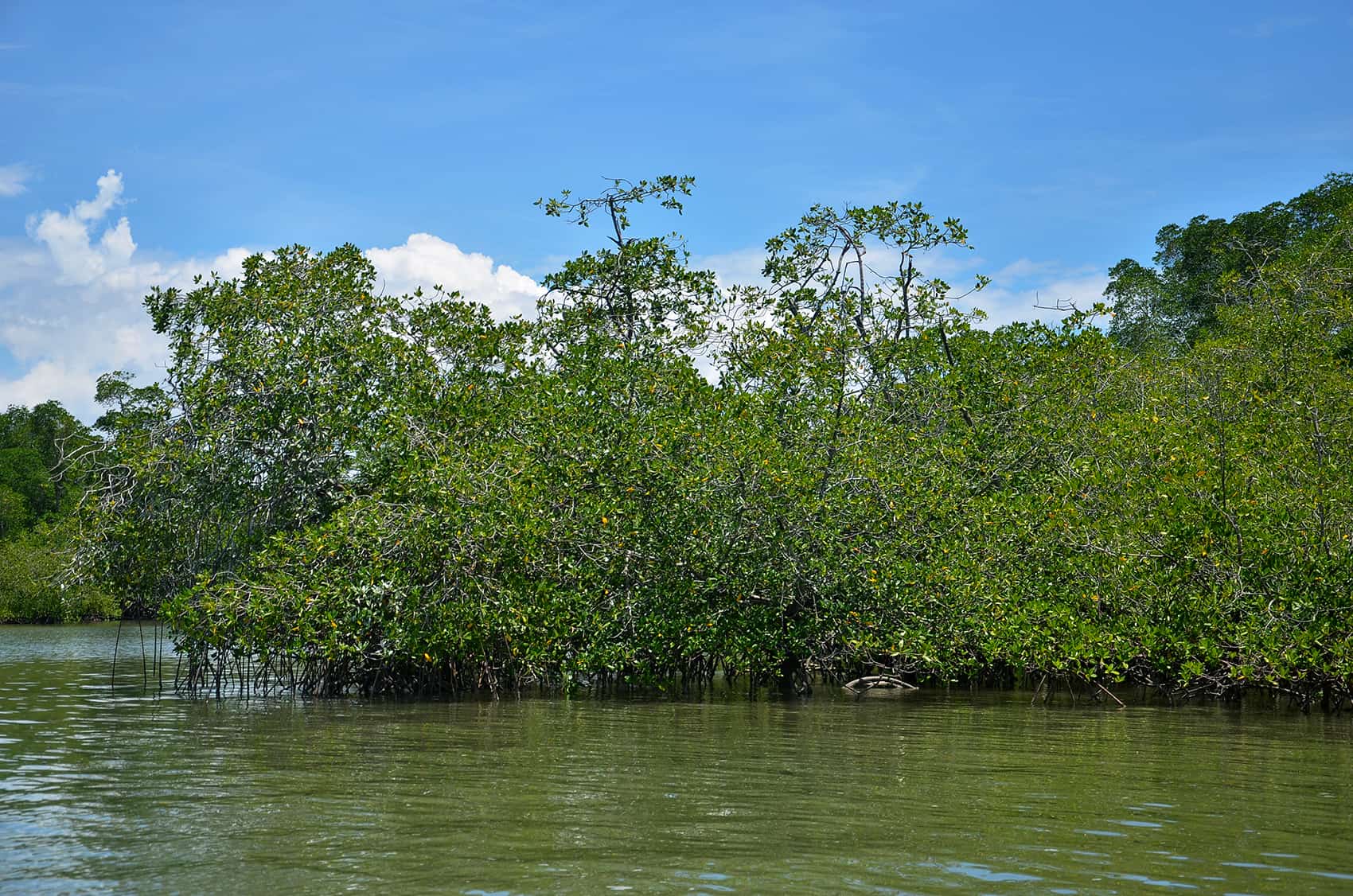
Costa Rica’s Environmental Administrative Tribunal has issued a directive for the RIU Guanacaste hotel complex to repair mangrove and forest areas harmed during its construction in Playa Matapalo, Guanacaste. This decision wraps up a dispute that has dragged on for over 15 years, holding the developers accountable for altering sensitive coastal ecosystems.
The tribunal’s ruling, numbered 1403-2025, pins responsibility on SE Costa Rica Hotelera de Guanacaste S.A., the property owner, and Yitzak Investments S.A., which handled the site’s groundwork. Inspectors found clear evidence of mangrove loss and other harms in the public maritime zone along Matapalo beach in Carrillo.
Back in 2007, the area featured intact mangroves and tree cover in the public zone. By 2009, changes were stark: two wooded sections totaling 6,994 square meters and 5,960 square meters were impacted, an 8,233-square-meter mangrove patch was wiped out through filling and material dumping, and an unnamed stream’s path was shifted, damaging its protected buffer.
The court linked these issues directly to debris from the RIU project’s building phase. Mangroves shield coasts from erosion, nurture marine life, and store carbon effectively. Local groups have pointed out that such losses weaken the bay’s health to favor one major tourism venture.
To fix this, the tribunal requires the companies to revert the site to its prior state. They must submit a detailed technical plan within 30 business days, outlining fill removal and mangrove revival, backed by expert input and a timeline. The National System of Conservation Areas must approve it, with full work done in three years and yearly updates sent to the tribunal.
Separately, the ruling calls for a plan to clear structures from the stream’s bed and restore its flow and buffer. No financial penalty applies here, as the court deemed it unfit for this scenario.
RIU Hotels & Resorts responded to inquiries from us in the media, noting the ruling’s arrival but emphasizing its non-final status. The chain plans to pursue all legal options to contest it, claiming the project held all required permits and expecting a thorough review to clarify events.
Given that tribunal outcomes can lead to further agency steps or court appeals, this matter may linger in the system even as restoration deadlines approach.
The case traces to 2009, when residents and advocates reported filling, tree removal, and water changes. Organizations like Confraternidad Guanacasteca pushed through delays, with Constitutional Court interventions urging timely resolution. Critics say holdups let the development solidify, complicating fixes. Now, the verdict sets a benchmark for similar coastal clashes, though enforcement remains key.
This outcome signals broader lessons for coastal growth in Costa Rica. It stresses that mangroves and public zones cannot be sacrificed for projects promising employment and revenue. Firms face not only halts to harm but active ecosystem repairs under supervision. It also exposes institutional slowdowns, where community persistence proved essential.
For those in Guanacaste’s tourism scene, the decision underscores hidden stories of land and resource conflicts behind beachfront appeal. Over the coming years, focus shifts to on-site progress: clearing fills, fixing water flows, replanting, and official checks to ensure real change. After prolonged advocacy and interim steps, the court has confirmed what was noted long ago: the Matapalo mangrove suffered, and recovery is due.





