

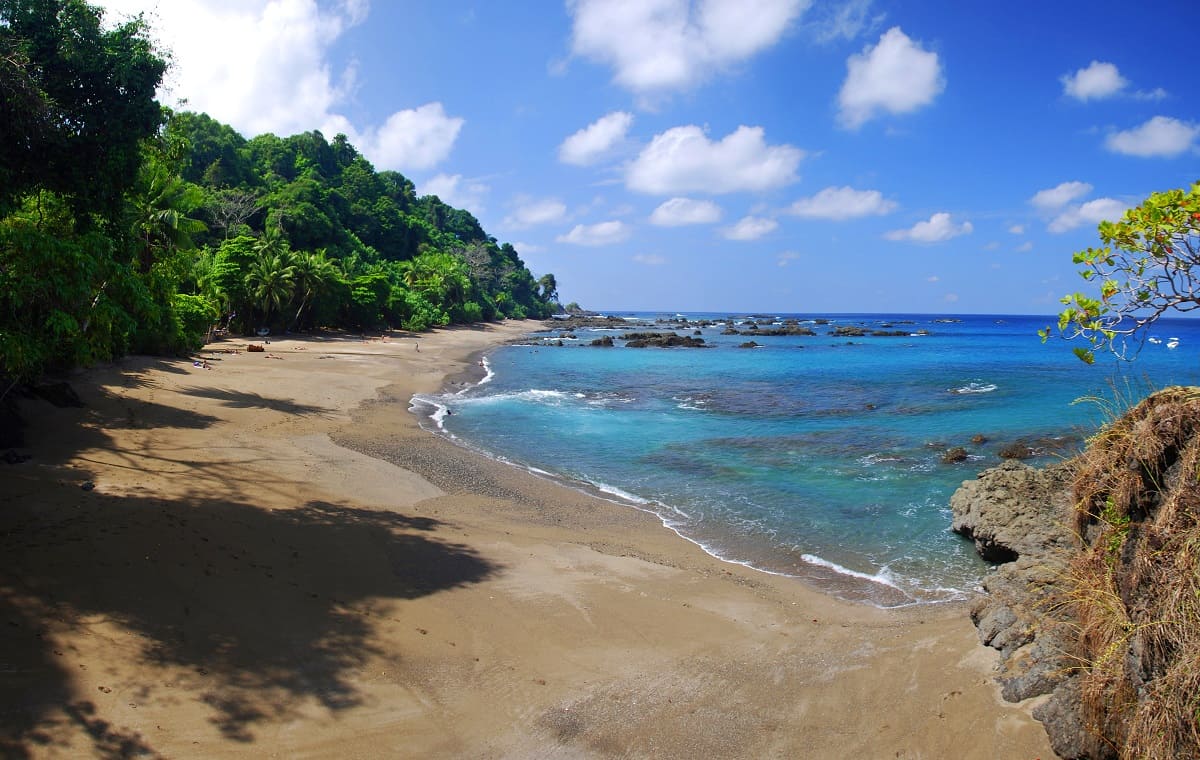
Scientists report that the 2023-2024 El Niño event delivered a severe blow to coral reefs around Isla del Caño, one of Costa Rica’s key marine protected areas. The warming ocean temperatures pushed these ecosystems past a critical threshold, leading to widespread bleaching and a sharp drop in live coral.
Researchers from Innoceana, a marine conservation organization based in Costa Rica, detailed the damage in a new study. They found that sea surface temperatures near the island rose by nearly one degree Celsius over the last 40 years. During the recent El Niño, temperatures hit record highs, with heat stress levels almost double those seen in 1998.
The team, led by coral expert Caroline Palmer, conducted surveys across nine sites on Isla del Caño and the northern Osa Peninsula. Their data shows a 40% average decline in live coral cover, with some areas losing over 50%. What once supported diverse coral communities now faces dominance by turf algae, which surged by more than 70%.
Isla del Caño, part of the Reserva Biológica Isla del Caño, sits off the Osa Peninsula in the Pacific. For years, experts viewed its reefs as somewhat resistant to warming trends in the Eastern Tropical Pacific. But this El Niño changed that. Ocean heat lingered longer than in any prior event over four decades, stripping corals of their symbiotic algae and leaving them vulnerable to death.
Palmer and her colleagues noted that bleaching affected about 80% of corals in the region. Species like Pocillopora, common in these waters, suffered the most. The shift to algae signals a broader ecological change, where reefs lose their structure and ability to support fish and other marine life.
Local impacts extend beyond the environment. Isla del Caño draws divers and tourists who contribute to the economy of nearby communities like Drake Bay. Reduced coral health could mean fewer visitors, affecting jobs in tourism and fishing. Fishermen in the area already report changes in catch, as reefs provide essential habitats for species they rely on.
The study introduces a practical tool called the Ecological Recovery Feasibility Index, or ERFI. This index evaluates sites based on factors like remaining coral, algae presence, and diversity. It helps pinpoint where natural recovery might occur and where human help is needed. Among the sites, Chorro and Esquina scored highest for potential rebound, while Ancla, San Josecito, and Barco Profundo ranked lowest.
Authors stress that without intervention, these reefs may not bounce back. They call for a tailored restoration plan that includes planting new corals, removing invasive algae, and protecting herbivores that keep algae in check. Tourism management plays a role too—limiting visitor numbers or guiding dive practices to reduce physical damage.
Costa Rica’s government, through the Sistema Nacional de Áreas de Conservación (SINAC), oversees the reserve. Officials have acknowledged the findings and expressed interest in collaborating with groups like Innoceana. Past efforts in the country, such as coral nurseries in Guanacaste, offer models for what could work here.
The broader context ties into global climate patterns. El Niño events, amplified by human-driven warming, occur more intensely. Costa Rica, with its extensive coastlines, feels these effects acutely. Similar bleaching hit reefs in the north Pacific during the same period, as noted in related research.
Experts warn that future events could worsen without cuts to emissions. For Isla del Caño, the window for action is narrow. The team recommends starting with pilot restorations at high-potential sites to test methods before scaling up.
Communities around the Osa Peninsula stand to benefit from healthier reefs. They provide natural barriers against storms and support biodiversity that draws international attention. As Costa Rica positions itself as a leader in conservation, addressing this crisis could set an example.
The full study appears in the journal PeerJ, offering data for policymakers and conservationists. With targeted steps, these reefs might regain some function, preserving a vital part of Costa Rica’s natural heritage.





