

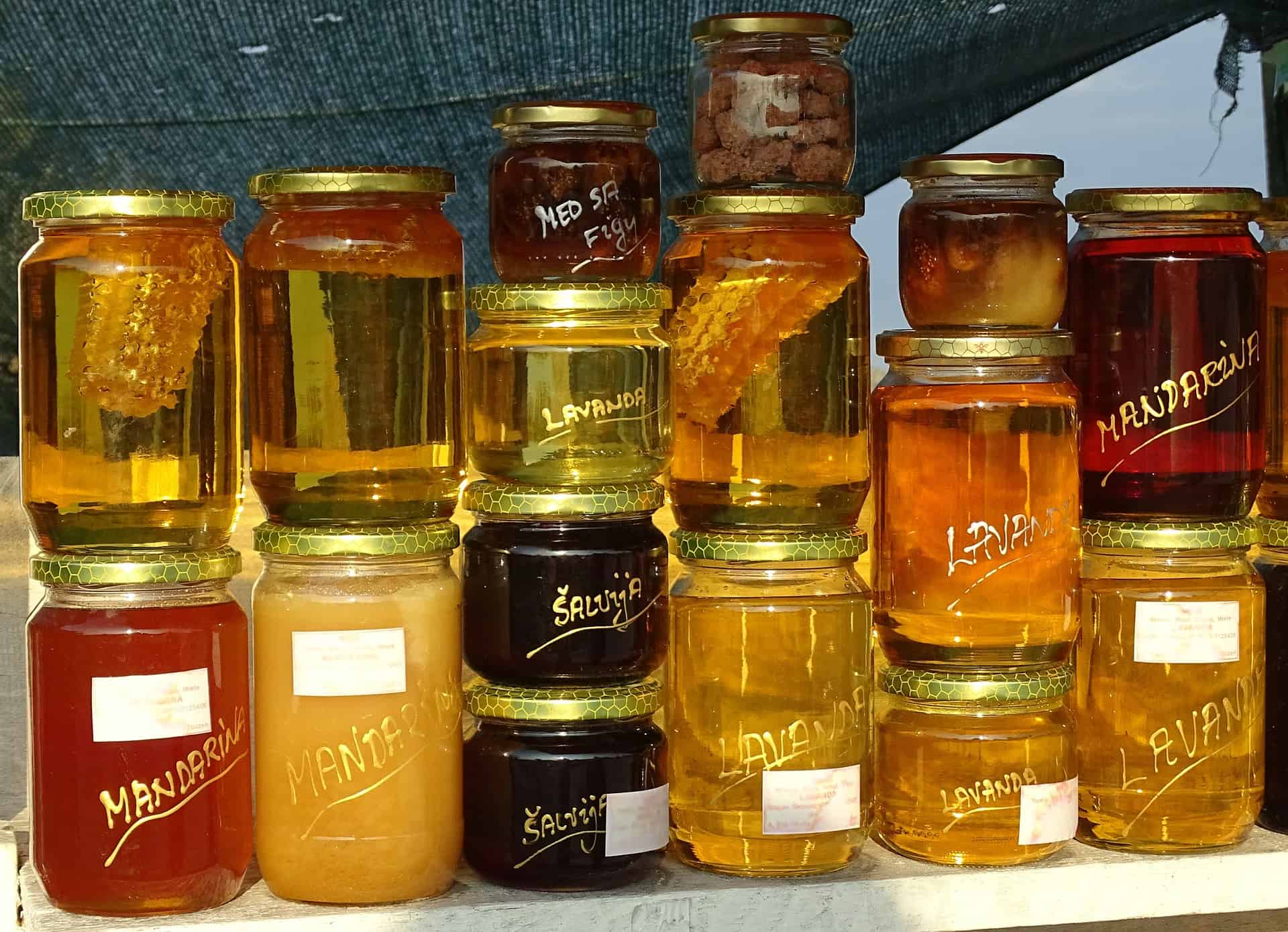
With a few thousand dollars in donated funds, know-how from Universidad Nacional (UNA) and a million bees, housewives in this rural area of Costa Rica are learning to become successful businesswomen. Their business is honey and they are using it to supplement their struggling finances in this agriculture-dependent area. One year after UNA’s Center for Tropical Beekeeping Research (CINAT) initiated the project, those involved are calling it a sweet success.
“We have left the laboratories and our research is being put to use in communities that really need it,” said Luis Sánchez, of the research center. “These are the seeds of the transfer of technology.” The project is part of a program in which 134 people, including 76 women from 11 organizations in Puriscal, southwest of the Central Valley, and Turrubares, near the central Pacific coast, have been trained in beekeeping.
The goal is to bring a sustainable industry to women in communities that suffer from poverty and low employment, according to Rafael Calderón, of CINAT. “The men can plant all the crops they want, but then to harvest the crops costs a lot of money and the money they get for the crops is so little, it’s not worth it. So they just let them go to waste,” said Yolanda Moreira, president of the San Gabriel Beekeeping Association.
“So it is great we can help our husbands a little bit,” she added. When CINAT completes its involvement in the two-year project, meant to be self-sustaining, projections say the organizations will make about $5,000 profit each a year. This does not include money that will be reinvested in the businesses to continue growth, said CINAT engineer José Ramírez.
The Costa Rican market has plenty of room for growth, he added. Costa Rica imports 400 metric tons of honey, about 50% of the honey it consumes (TT, Oct. 31, 2003). The 11 organizations of the CINAT project are therefore targeting only the local market.
They have already starting selling their product at local pulperías and on the UNA campus in Heredia. A one-kilogram bottle sells for ¢1,000 ($2.25). The organizations are considering forming a cooperative to sell their product under a common brand. Honey-bottling companies may also buy their product and bottle it under a different name, Ramírez said.
This positive outlook has provided hope where there was skepticism. “Lots of people in the town said this project wouldn’t work, there are always negative people, so we are very proud it has worked so well,” Moreira said. “Our children, our spouses have seen what we have done.” Association member Silvia Pérez said her children, ages 4 and 8, sometimes ask her not to go to work.
“But I tell them I want to go. What am I going to do, stay in the house and not do anything?” she said, adding that the demands and schedule of beekeeping have allowed her to balance her role as a mother with those of an apiculturist. During the feeding season, from June to October, the women work one morning a week. During this time, they feed the bees sugar. This is not used in the bees’ honey-making process, in which only nectar and bee enzymes are used, but rather to provide sustenance for the bees.
The harvest season, from January to April, requires an entire day of work a week, or more. While the time demand is not huge, it is important for the program’s participants to think of beekeeping as not just their job, but as their business, Calderón said. Approximately 80% of honey production in Costa Rica is in the hands of small apiculturists, Ramírez said.
With an estimated 800 apiculture facilities and 28,000 commercial beehives, the country has nearly recovered from the blow it was dealt in the mid-1980s with the arrival of the so-called “Africanized” honeybees from South America. Africanized bees, also known as killer bees, become more upset with less reason and attack in greater numbers than the relatively tame European bees.
Beekeepers could not control African bees the way they had the European bees. In just a few years, Costa Rica’s apiculture sector, which once included 960 independent honey producers managing 32,000 hives, was decimated (TT, Oct. 31, 2003). A new generation of beekeepers has emerged, Ramírez said, using new techniques to control the Africanized bees. This variety also has its benefits, as the bees are harder workers, produce more honey and are less vulnerable to disease, Ramírez added.
Their aggressive behavior is controlled using smoke, a technique CINAT project participants learned in workshops. The CINAT training has also included hive management, apiculture administration, control of disease and parasites and improvement of queen bees. The San Gabriel women have approximately 75 hives. CINAT officials hope each community will have at least 100 hives by the conclusion of the project next year. Each hive contains between 60,000-80,000 bees.
The project, which was funded by a ¢75 million ($168,000) donation from Holland, also includes business and marketing training, with a fundamental goal of product diversification. “When people think of apiculture, they think only of honey, but they need to diversify; there are many other products,” Ramírez said.
These products include honey with eucalyptus, royal jelly, pollen and skin cream. Beekeeping also contributes to the regeneration of forests, through the pollination of flowers and plants, particularly important in Turrubares with the nearby Carara National Park, Ramírez said.





