
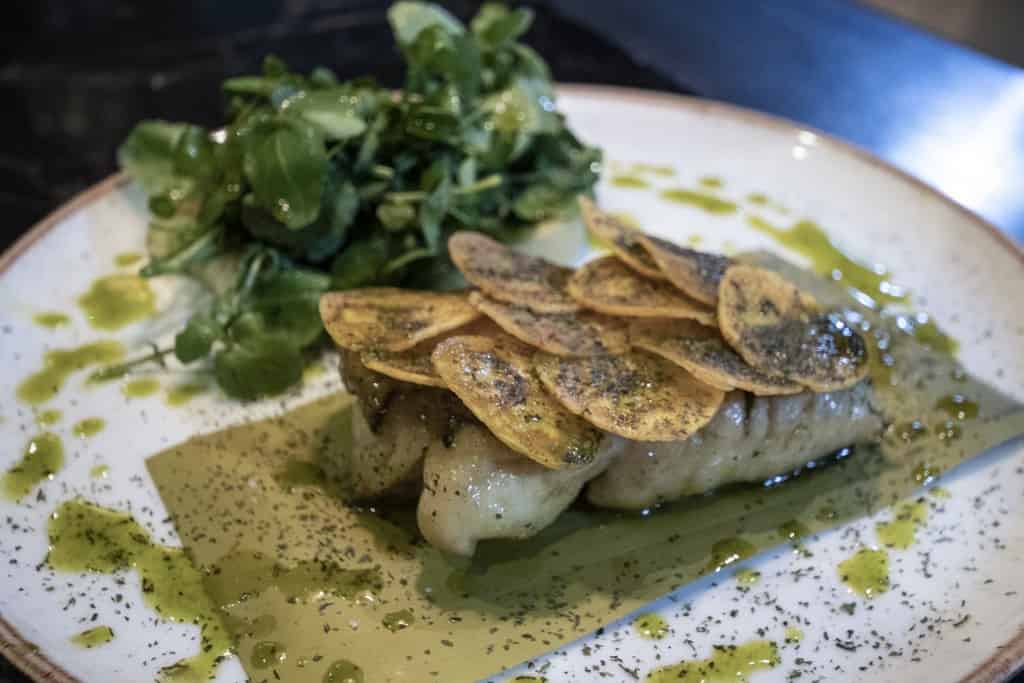
Unwritten recipes, native foods and “love and respect” for the ancestral culture are the ingredients of the dishes of the Sikwa restaurant, which is committed to the cuisine of the native peoples of Costa Rica.
Chef Pablo Bonilla decided to reinvent himself 10 years ago, to leave behind what he learned in his gastronomy studies and return to the roots of indigenous food.
“What I have done is to get involved with indigenous communities (…) so that the gastronomic culture of these peoples does not die and is portrayed by people who cook,” Bonilla said.
The innovations of modern cuisine have no place in this restaurant in San José. The proposal here are large, tasty and colorful dishes, usually to share, with ingredients from different regions, grown by small producers and replicated in the most faithful way as the original peoples of the Central American country did for centuries.
“It tastes like home cooking, it tastes like smoke, it tastes like firewood, it really tastes like what that ingredient should taste like,” says the 40-year-old chef.
Immersion
Bonilla says he made a “chip change” to value the vast amount of food that fertile Costa Rica produces.
He immersed himself for years as a “sikwa” (non-indigenous person, in the native Bribri and Cabecar languages) in the country’s eight original peoples: Bribri, Cabecar, Ngöbe, Maleku, Brunca, Teribe, Huetar and Chorotega.
He lived, learned, ate, harvested and soaked in them to transfer to the capital an unwritten gastronomic culture in the form of a menu.
“I decided to put everything in a kitchen in downtown San José, because I think we still have a lot to learn from indigenous communities,” explains the chef.
“The original communities (…) have a lot to talk about, a lot to say, and our lifestyle, our day-to-day life, is taking us away from it.”
From coast to coast
In Sikwa’s kitchens there is a variety of foods and techniques adapted to modern practices but without losing tradition. The pantry is sparse, as the food has no preservatives and is purchased for immediate use.
Bonilla buys fish from the Pacific almost daily, cocoa from the Caribbean coast, corn from the highlands on the northern border or bananas from the southern jungle.
“We have a lot of products, Costa Rica is a country that anywhere you plant something will grow (…). Yucca, pumpkin, corn, products totally native to this region, and we transform them exactly into these recipes that we have learned,” says the chef.
While a cook fills corn and plantain empanadas with potatoes, ayote (pumpkin) and carrots, her partner prepares roasted plantain ice cream with roasted cocoa.
Conger eel with anise oil is cooked in banana leaves, and pejibaye (high-energy fruit) tartlets are almost ready to be filled with shrimp bisque, piangüa (mangrove mollusk) ceviche and chayote cocoro (squash-like vegetable).
“It is much more expensive. Depending on the process and the product it can cost me up to four times more expensive and in the end it is reflected in the dish. But I think that I as a cook, both personally and professionally, I have something else to offer people,” says Bonilla.
“Why change”
The price of sitting down to eat at Sikwa can range from $30 to $40 per person.
The cheapest dish, at about $10, consists of fried yucca with spicy yellow corn atol, dots of guacamole and Bagaces cheese. For 25 dollars, the most expensive proposal, you can taste pork ribs with sweet corn tamale and pickled onions.
Its bet has caught the attention of international gastronomic publications. In 2018, when it opened, Sikwa was included in New Worlder’s list of best new restaurants.
In November, The World’s 50 Best list included it among the best 100 in Latin America and the sixth best in Central America.
“We believe that our job is more about trying to conserve. The fact that lists and awards have included us means that we are on the right track,” says the chef. “Why change it?”