

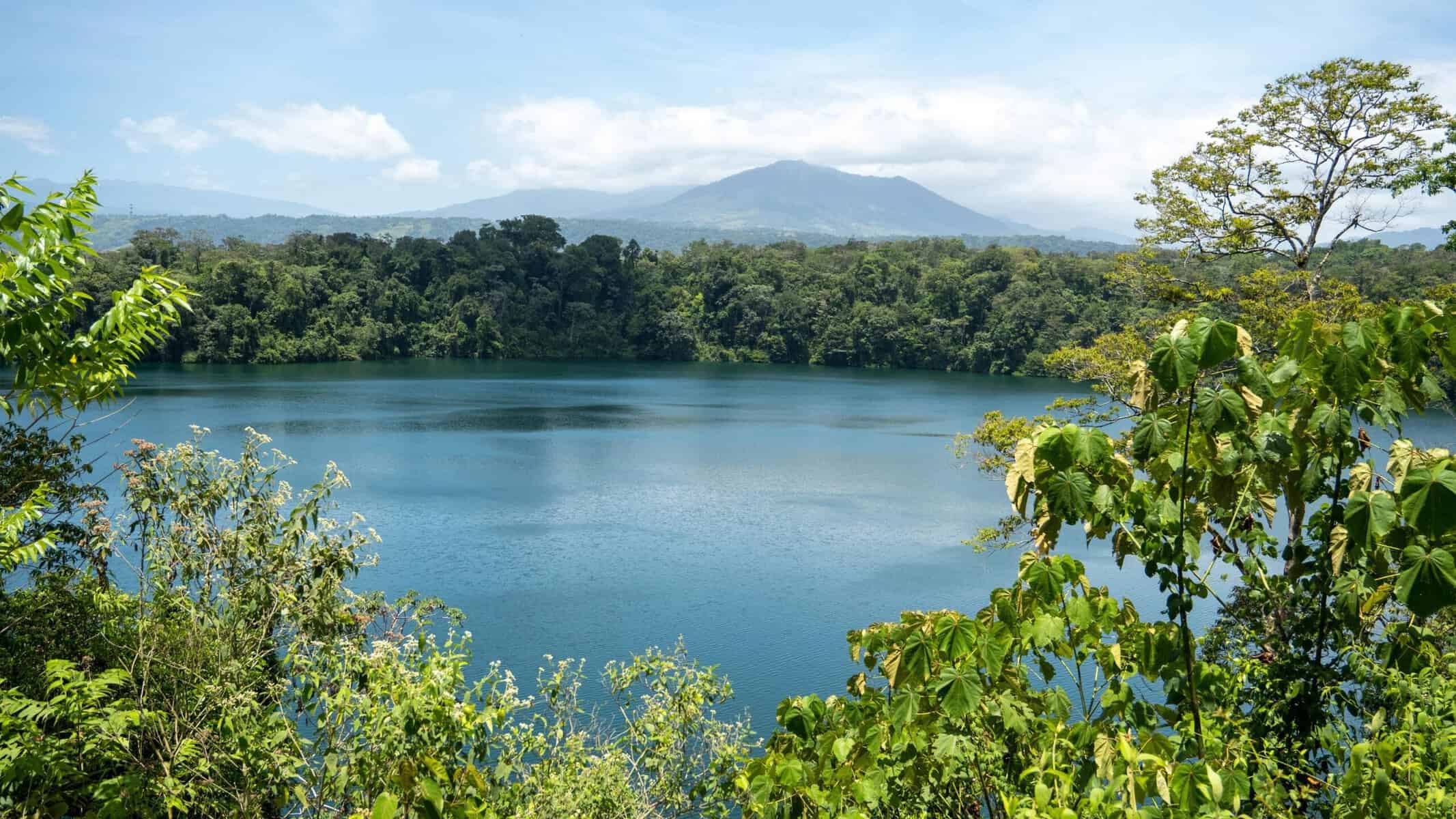
Costa Rica’s Laguna Río Cuarto will remain open to visitors, but the community organization that has managed tourism services at the popular natural attraction will stop operating them starting tomorrow, following an environmental order affecting infrastructure near the water.
The change follows action by the Ministry of Environment and Energy, through the National System of Conservation Areas and the Arenal Huetar Norte Conservation Area, concerning structures close to the lagoon in northern Alajuela. The Río Cuarto Integral Development Association, which has been managing visitor services at the site, is expected to stop collecting the ₡2,000 entrance fee and remove infrastructure near the lagoon, including facilities used by visitors.
It’s important to note that the lagoon itself is not being closed to the public. Instead, visitors will be able to enter without the services and oversight previously provided by the association. The situation has raised concerns among tourism businesses in Río Cuarto, which argue that the community management system helped organize visitation, maintain the area and protect the lagoon from problems associated with uncontrolled tourism.
The Río Cuarto tourism chamber said the association’s work had improved control of visitor access, maintenance, environmental protection and the reinvestment of tourism revenue in the local community. Tourism representatives also warned that the lagoon experienced problems with garbage disposal and visitor safety before the current management system was established.
They are concerned that removing the association’s operational presence without immediately replacing it could create a management gap at the site. The chamber has called on government agencies to work with the community on a solution that addresses environmental concerns while allowing tourism activities to continue in an organized and sustainable way.
At the center of the dispute are Costa Rica’s environmental protections surrounding natural lakes and lagoons. Costa Rica’ s Forestry Law establishes a protected area extending 50 meters horizontally from the shoreline of natural lakes and reservoirs, placing restrictions on development within that zone.
The environmental action therefore does not necessarily signal an effort to restrict tourism at Laguna Río Cuarto. Rather, authorities are addressing whether infrastructure associated with visitor services complies with protections surrounding the body of water. The distinction will be important for anyone going there and starting tomorrow visitors should not expect the same facilities or management system previously available at the lagoon, even though access itself is expected to continue.
Laguna Río Cuarto is one of the main natural destinations in the Río Cuarto area and has increasingly become part of northern Costa Rica’s rural and nature-tourism options. The volcanic lagoon famous for its forested surroundings and blue-green water. The dispute also comes at a time when Río Cuarto has been working to expand its tourism economy. Both Local and national authorities have advertised sustainable tourism as a way to complement the area’s traditional agricultural and livestock industries.
For now, though, those planning to go to Laguna Río Cuarto should be prepared for fewer services and should take particular care to remove their own garbage and avoid damaging vegetation or areas surrounding the water. The longer-term question is who will manage visitation at the lagoon and whether authorities and the local community can establish a new arrangement that satisfies Costa Rica’s environmental regulations while maintaining safe public access.





