

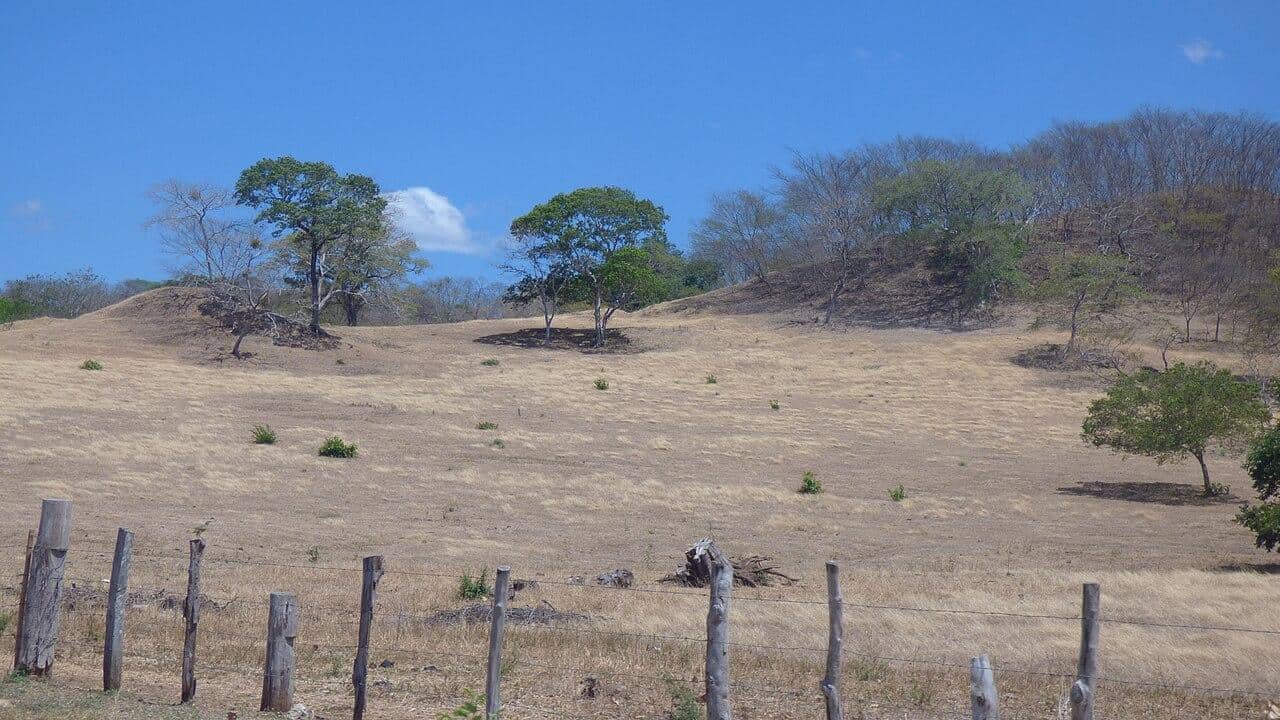
Costa Rica has placed 23 municipalities under an orange alert as months of below-normal rainfall linked to El Niño deepen concerns over water supplies, agriculture, livestock and environmental conditions in several areas. Another 51 municipalities are under a yellow alert, leaving most of Costa Rica covered by one of the two warning levels as authorities monitor a rainfall deficit that has become particularly serious in the North Pacific.
In that area, rainfall has been running about 37% below normal, which is a significant shortfall for an area that is already more vulnerable than much of Costa Rica to extended dry periods and water shortages. The orange alert covers municipalities in the North Pacific, Central Pacific and Los Santos areas, including several communities that are important to our tourism industry, such as Liberia, Nicoya, Santa Cruz, Carrillo, Monteverde, Garabito, Quepos and Puntarenas.
Keep in mind, the alert does not mean travel has been restricted or that normal activities have been suspended, but it signals that authorities believe the accumulated lack of rain has reached a level that requires greater attention and preparation. The concern is less about whether it rains on any particular afternoon and more about how much rain has fallen over a longer period.
Costa Rica can still experience strong thunderstorms, localized flooding and heavy downpours while remaining in an overall rainfall deficit, because a few intense storms do not necessarily replace the amount of water that has been missing over weeks or months. That is likely to be especially noticeable this weekend, when Tropical Wave 45 is expected to increase rainfall and thunderstorms across several areas as it interacts with the Intertropical Convergence Zone.
For those of use that live here, that can create what appears to be a contradiction: authorities may warn about possible flooding and landslides during a period when areas are also dealing with drought-like conditions. Both can happen at the same time. Short bursts of heavy rain can overwhelm drainage systems, swell rivers and trigger landslides, while the broader rainy season still produces less water than normal for reservoirs, groundwater, farms and ecosystems.
The North Pacific remains one of the main areas of concern because the rainfall shortage there is already substantial and because Guanacaste traditionally becomes much drier toward the end of the year. That raises questions about how water supplies could be affected if the deficit continues into the normal dry season, particularly in communities where tourism, agriculture and residential development all place heavy demand on available water.
Hotels, restaurants and other tourism businesses are not currently facing widespread restrictions because of the alert, but a prolonged shortage could become more important as Costa Rica approaches the high tourism season. Agriculture and livestock are also vulnerable because less rainfall can reduce water availability for crops, pasture and animals, while rivers and wetlands can experience lower water levels that affect fish and wildlife.
El Niño is a climate pattern associated with unusually warm waters in the tropical Pacific Ocean and can influence weather across much of the world. In Costa Rica, it often contributes to drier-than-normal conditions along parts of the Pacific slope. The current alert is therefore focused not just on immediate weather but on the accumulated effect of the rainy season so far.
Authorities here are expected to continue watching rainfall levels, water availability and conditions in the most affected areas as September and October progress. Those months will be important because they normally form part of the wetter period of the year across much of Costa Rica, giving a limited window to reduce the rainfall deficit before the dry season begins.
For the moment, those in affected areas are being encouraged to use water carefully and follow local updates, while authorities monitor whether upcoming rains are enough to improve conditions or whether the shortage continues into the final months of the year.





