

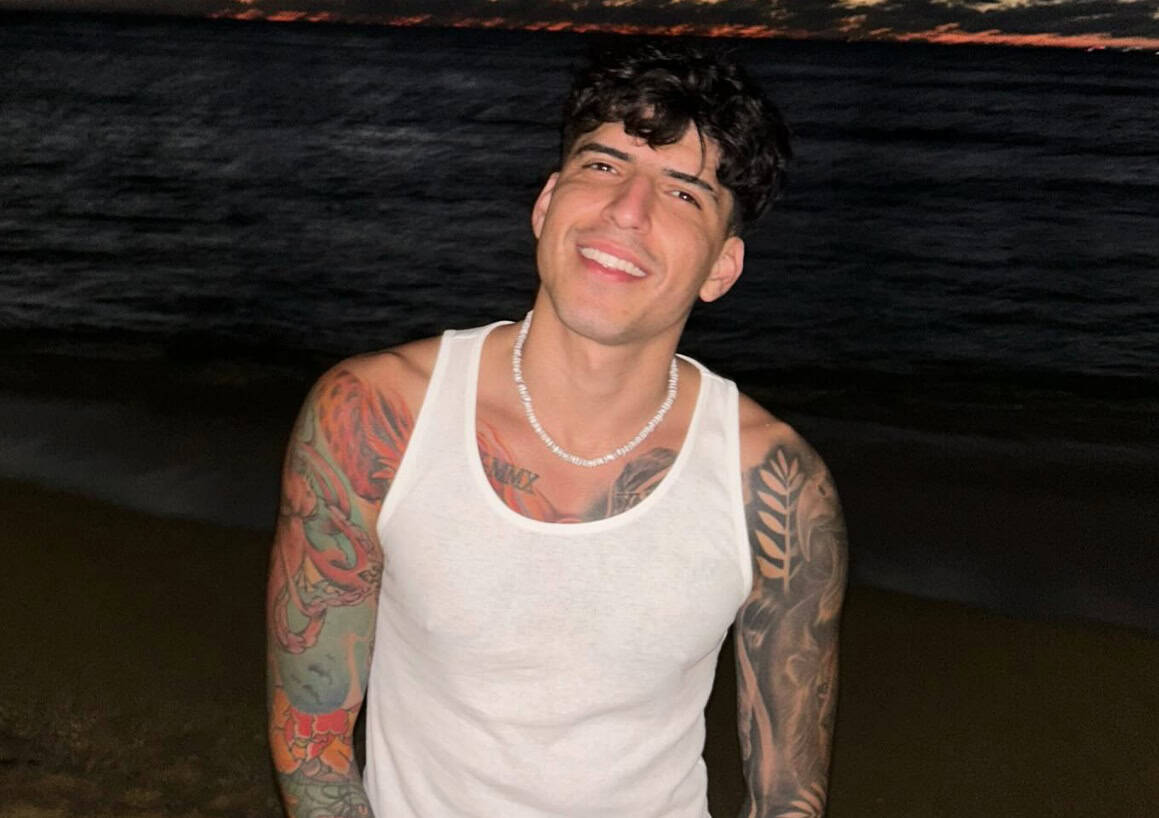
Costa Rican content creator Julián Valverde, known online as Julián Valjota, is in the custody of US Immigration and Customs Enforcement. A source close to the case confirmed his custody, and said the 26-year-old, whose full name is José Julián Valverde Meneses, is being processed by US immigration authorities.
Costa Rican journalist Elías Alvarado confirmed on Thursday night that Valverde was detained on Wednesday, in Orlando, and the reasons have not been made public. Alvarado said people close to Valverde told him that Orlando police stopped the creator while he was driving.
Alvarado also said no official information yet establishes the circumstances of the detention, Valverde’s current immigration status, or whether he faces a final order of removal from the United States. Before the custody confirmation, Alvarado had said Valverde did not appear in ICE records.
The detention became public yesterday through fellow content creator Christopher Araya, known as Araya Vlogs. In a video, Araya said Valverde had been held for nearly 24 hours and had not yet appeared before a judge. He added that the group was in contact with Valverde’s attorney and with lawyers who specialize in immigration.
Araya said Valverde had asked him to share the news in order to head off rumors. Valverde’s last social media post, published Wednesday night, was a video recorded inside his car with a patrol vehicle visible behind him. Costa Rica’s Ministry of Foreign Affairs said it is following the case. The ministry’s Consular Department and the Consulate General in Miami said they are aware of the situation and are making inquiries with US immigration authorities to learn more about the citizen’s circumstances.
The case also reached the Legislative Assembly. Frente Amplio lawmaker Joselyn Sáenz called on the Foreign Ministry to act to protect Valverde and all Costa Ricans held by ICE in the United States. She also criticized ICE over what she described as alleged inhumane, degrading and discriminatory treatment.
Valverde has lived in the United States for more than five years and left Costa Rica in search of work opportunities. He has frequently joked in his content about a possible deportation, though those remarks do not establish his current immigration status or explain this week’s detention.
Costa Rica is among the countries whose citizens are subject to mandatory consular notification when arrested or detained in the United States. US authorities must therefore notify the relevant Costa Rican consulate without delay.
The next steps depend on facts not yet made public. If a final removal order exists, ICE could move ahead with his departure, including arranging travel documents. If he has an open immigration case, a pending protection claim or another legal avenue to challenge removal, his attorneys could pursue those remedies.





