

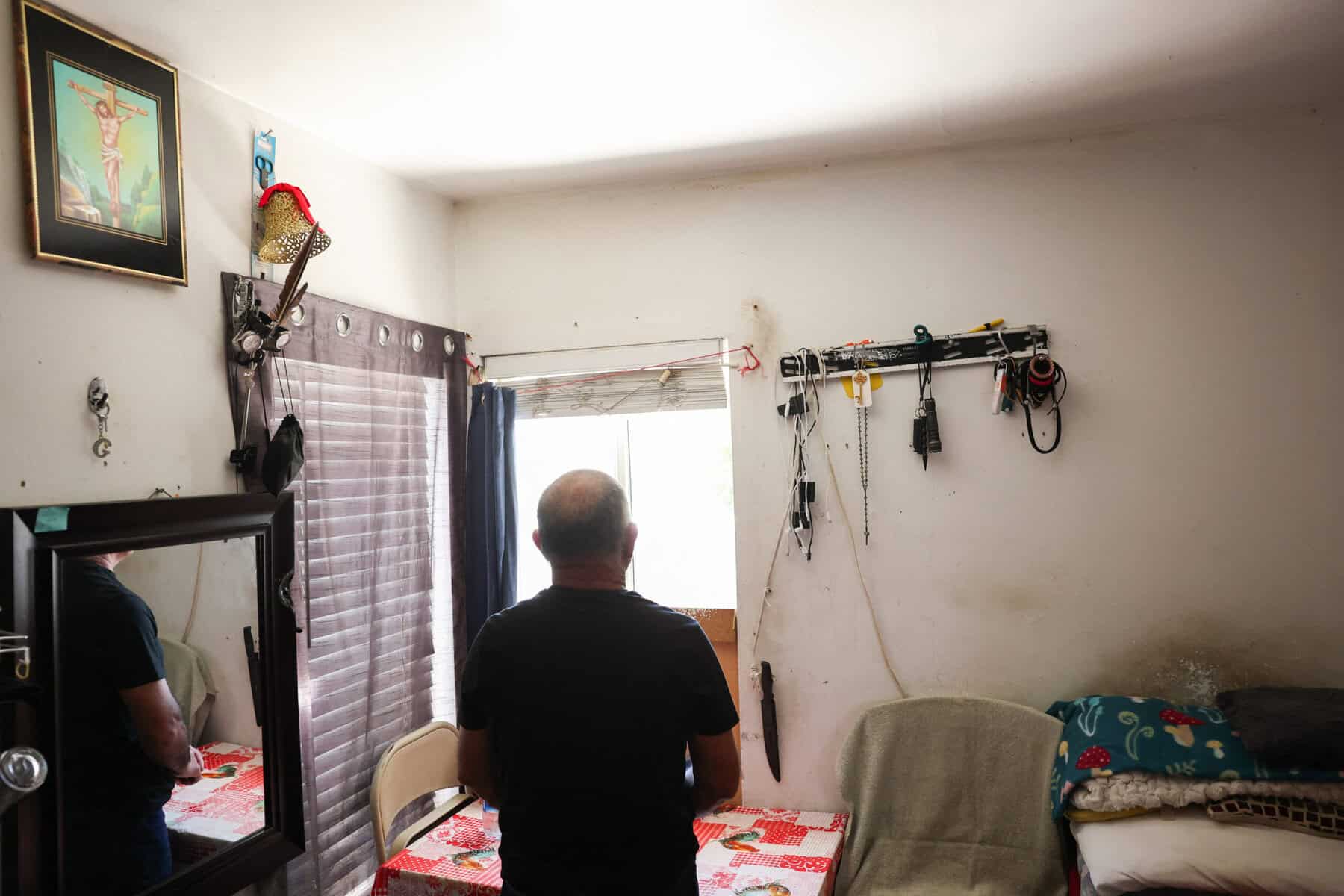
As Temporary Protected Status for roughly 170,000 to 200,000 Salvadorans in the United States comes to an end on September 9, most coverage of the deadline has focused on the true hardship awaiting families forced to uproot lives built over 25 years. That hardship is real and there are not many options left.
If you have ever had spoken to a friend that had been rounded up and put in a detention center most would likely say what mine did, “If I knew I would have had to go through that, I would have never gone to the United States”. But a less discussed question is what a wave of returning Salvadorans, many now skilled tradespeople, business owners, and long tenured workers, could mean for El Salvador itself, a country that looks very different today than it did when TPS was first granted in 2001.
For decades, researchers agreed that crime was the single biggest constraint on El Salvador’s economy, pushing people to emigrate, discouraging investment, and trapping the country in a long stretch of weak growth. A sustained security crackdown in recent years has largely removed that constraint.
Investment has climbed accordingly, with gross fixed capital formation rising from a historical range of around 15 to 18 percent of GDP to roughly 23 percent today, putting El Salvador in line with regional peers Honduras and Nicaragua. For a Salvadoran weighing what comes next after TPS, that is a fundamentally different country to rebuild in than the one many fled a generation ago.
The labor market backs this up. Businesses across multiple sectors are reporting rising demand for skilled workers in 2026, driven by expansion in construction, tourism, and financial services. Tourism in particular is booming, with visitor numbers and hospitality investment climbing as the country’s improved security record draws travelers who once avoided it entirely.
Chamber of commerce officials point to that improving security and broader infrastructure modernization as key drivers of the current hiring demand, along with growing investor confidence across industries. Construction and tourism stand out as sectors where returning TPS holders, many of whom spent decades working in similar fields in the United States, could step into existing demand rather than starting from nothing.
The government has also built real, if still modest, institutional infrastructure aimed at returning citizens. A Deputy Minister of Diaspora and Human Mobility position exists specifically to manage this population, and has overseen ceremonies certifying returning citizens in trade skills including electrical work and baking, part of a broader initiative funded through a United Nations peacebuilding program intended to strengthen professional and entrepreneurial skills so returnees can find jobs or launch small businesses.
El Salvador has pursued an aggressive strategy to attract skilled talent more broadly, offering thousands of free passports to scientists, engineers, doctors, and other professionals from anywhere in the world, along with full citizenship and voting rights.
The government eliminated income tax on money flowing into the country from abroad, including remittances and investment income that previously carried a steep tax burden above a certain threshold. For a returning TPS holder bringing savings, a trade skill, or an idea for a small business built over decades in the United States, that tax and investment environment did not exist the last time large numbers of Salvadorans considered returning home.
International financial backing is also flowing into the country at a scale that could help absorb returning workers. The Inter American Development Bank has committed 1.3 billion dollars in funding for El Salvador in 2026 alone, focused specifically on housing and tourism, two sectors well matched to the skills many long tenured TPS holders developed in the American labor market.
There is also a less tangible factor at play. For some Salvadorans, the years of legal limbo, renewal deadlines, court battles, and now a firm expiration date have created a level of uncertainty about their future in the United States that a growing number may simply be tired of carrying. With El Salvador’s economy expanding and tourism booming, some TPS holders may increasingly see returning home, on their own terms and with savings and skills in hand, as a more stable path forward than continuing to live under the shadow of an immigration status that could be revoked at any time.
None of this erases the real difficulty facing families who built homes, careers, and American born children’s lives over a quarter century in the United States. El Salvador’s fiscal situation remains fragile, public debt is high, and the country’s business climate still lags regional peers on measures like labor informality and regulatory certainty.
The small scale reintegration programs launched so far, certifying groups of only two dozen returnees at a time in trade skills, are a long way from being built to absorb a sudden wave of tens of thousands of people at once, and analysts have criticized the government for prioritizing tourism and infrastructure investment over deeper human capital development.
The underlying conditions in El Salvador today, lower crime, rising investment, a booming tourism sector, active labor demand in fields matched to diaspora skills, and a government actively courting returning and skilled workers with real financial incentives, represent a meaningfully different landing place than existed at almost any point since the original 2001 issues that first sent Salvadorans north. If that landing place is ready for the scale of what September could bring remains the open question.





