

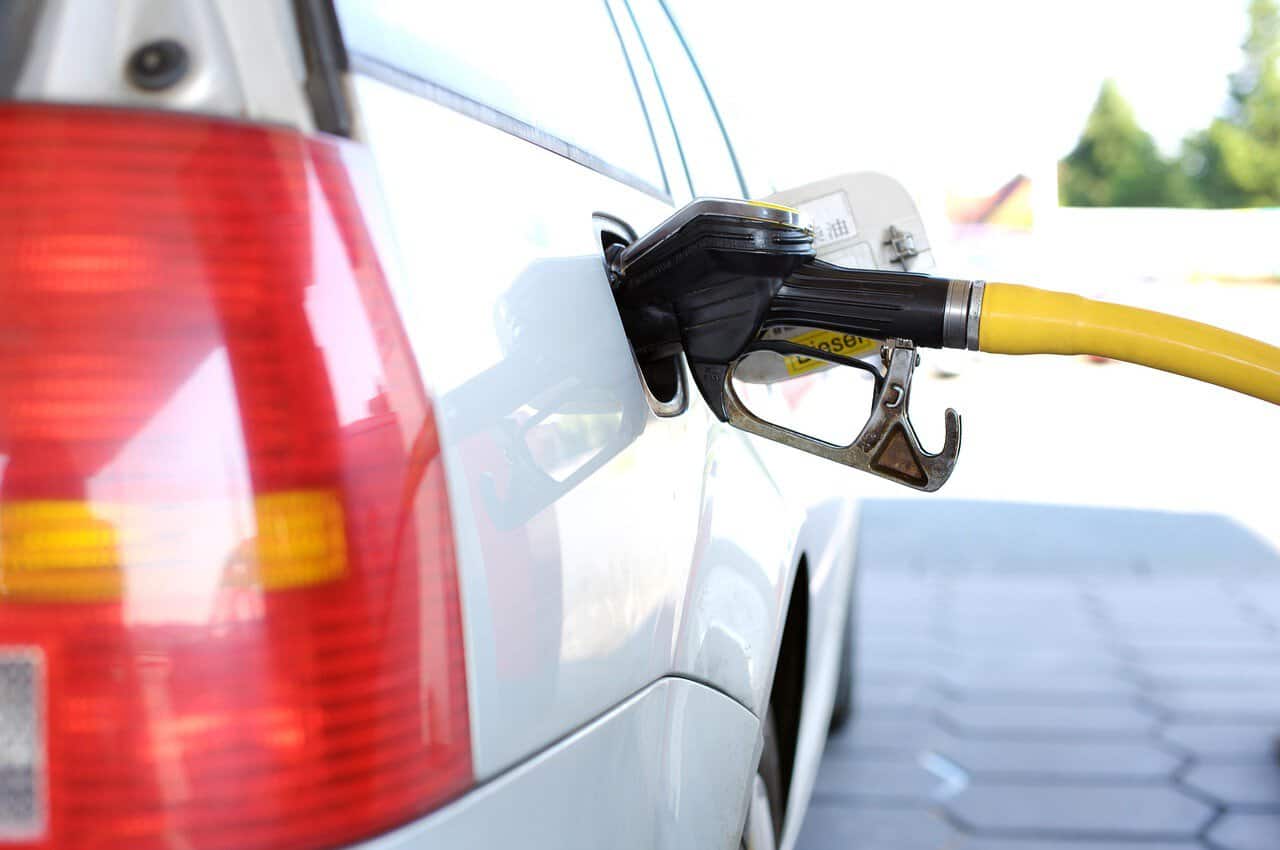
Costa Rica’s plan to begin selling gasoline mixed with ethanol is still moving forward, but drivers may have to wait longer than expected before seeing the new fuel at service stations. The Ministry of Environment and Energy(MINAE), still intends to mix gasoline super with 10% ethanol as part of a broader effort to reduce vehicle emissions. But the start date is no longer certain, and officials have not confirmed whether sales can begin in 2027 as previously expected.
The delay centers on Recope, Costa Rica’s state fuel company, which has been designated as the entity responsible for making the blends. Recope has told energy officials it will need to make acquisitions before carrying out the project, a process that could push back the start of sales.
Once the government publishes the first decrees, Recope is expected to prepare a roadmap with clearer deadlines. MINAE expects to publish two initial decrees during the second half of 2026. One will define the institutions involved and their responsibilities. The other will set out the physical and chemical requirements for the fuel mixture.
The plan calls for ethanol to be selected through an international bidding process open to both Costa Rican and foreign producers. That process alone is expected to take about a year. Ethanol is a plant-based fuel that can be produced from sources such as sugarcane or corn.
Costa Rica has tried before to introduce ethanol into gasoline, but past efforts failed. The current proposal began moving again under the previous administration, with officials saying they wanted to start with gasoline super because vehicles that use it tend to be newer and better suited for the blend.
For drivers, the key question is whether a 10% ethanol blend could affect engines. Recope must update a technical study to confirm that the proposed percentage is appropriate and will not damage motors. Energy officials have said the 10% level should not cause power problems in vehicles.
The proposal also has an environmental component beyond the ethanol itself. MINAE says the change would help reduce greenhouse-gas emissions and allow Costa Rica to remove MTBE, an additive still used in local fuels that officials say can infiltrate soil and contaminate water.
The idea is not to lower gasoline prices. Officials have said ethanol should not be understood as a price-reduction measure or as a plan to restart local production, since Costa Rican ethanol is already exported to Europe. Costa Rica’s existing biofuels regulation already defines ethanol fuel and recognizes both regular gasoline and gasoline super within the fuel framework. A later technical regulation would allow Recope to mix ethanol into gasoline under defined quality standards.
The real effect for motorists is that nothing changes immediately at the pump. Gasoline super remains the planned starting point, but the project still depends on decrees, technical studies, Recope’s acquisitions, and the international ethanol bidding process. Until those steps are completed, Costa Rica’s ethanol gasoline plan remains more of a pending policy than a change drivers need to prepare for today.





