

A plume of Saharan dust is helping bring hotter, drier and hazier weather to Costa Rica this weekend, with forecasters warning of reduced rainfall, stronger winds and high temperatures in several parts of the country. The National Meteorological Institute (IMN) expects dry conditions and limited rainfall across much of Costa Rica as accelerated trade winds combine with dust from the Sahara.
IMN forecasts said wind gusts could reach up to 100 km/h in the north, the Central Valley and mountain areas, while temperatures may climb above 36°C in Guanacaste and Puntarenas. Across the country, beach trips and outdoor plans remain possible, though the weather may feel hotter than usual, skies may look hazier, and afternoon rain could be less widespread than expected for late June.
The dust plume is part of a seasonal pattern that commonly affects the Caribbean and Central America between June and August. Fine particles from North Africa are carried across the Atlantic by trade winds, sometimes reaching Costa Rica after crossing the Caribbean. IMN forecasters said this week’s concentrations were not expected to be unusually high, but they could still reduce air quality in some areas.
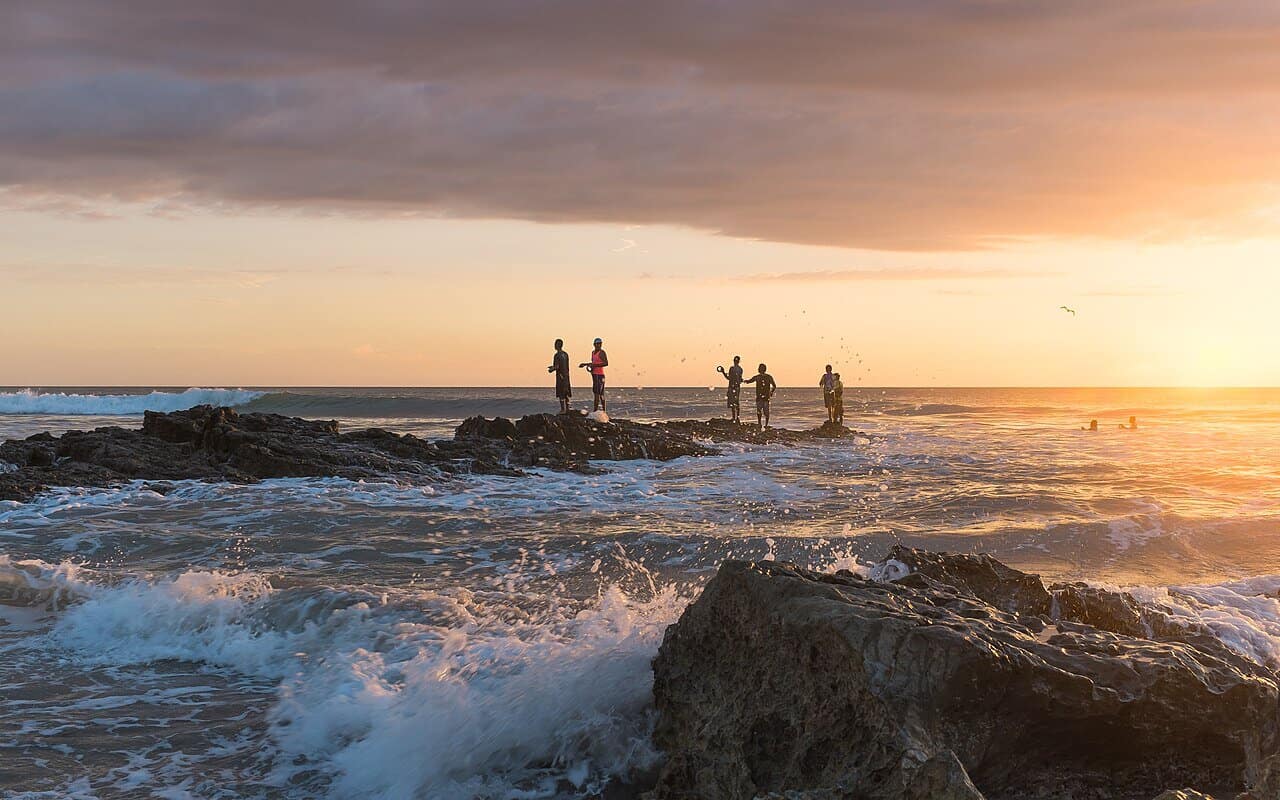
Saharan dust can also change the look of the sky. Residents and tourists may notice a milky or whitish haze during the day, especially in open areas and higher viewpoints. Sunrises and sunsets can appear stronger, with deeper orange or reddish tones, because dust particles scatter sunlight as it passes through the atmosphere. NOAA says Saharan dust often produces hazy white skies by day and orange-glowing sunsets in affected areas.
The biggest short-term concern is air quality. People with asthma, allergies, chronic respiratory conditions, older adults and young children may feel more irritation when dust concentrations rise. Costa Rica’s Health Ministry has previously warned that airborne dust can affect the respiratory system, especially among sensitive groups, and can also reduce visibility.
For most healthy people, the dust should not stop normal activities. Still, people planning hikes, long runs, cycling trips or volcano visits should take precautions. Strenuous outdoor exercise is best scheduled for the morning, when temperatures are lower. Anyone who feels throat irritation, coughing, tightness in the chest or worsening allergy symptoms should move indoors and limit exposure.
The dust may also suppress some of Costa Rica’s usual rainy-season activity. IMN forecasters say that Saharan dust can partially inhibit thunderstorm cloud formation and reduce the effect of passing tropical waves, though the main immediate impact this week was expected to be air quality. NOAA also notes that the Saharan Air Layer is warm, dry and dusty, with roughly 50% less moisture than a typical tropical atmosphere, which can suppress cloud development.
That does not mean Costa Rica will be completely dry. The rainy season remains active, and localized showers are still possible, especially in mountain zones and parts of the Caribbean or southern Pacific. But the broader pattern points to fewer afternoon downpours than normal in many areas.
Beachgoers should also watch wind and sea conditions. there is a good chance of rougher seas in the North Pacific, the Gulf of Nicoya and parts of the northern Central Pacific, along with stronger winds that could affect small boats, exposed coastal areas and mountain parks.
For those in Guanacaste, Puntarenas, Jacó, Manuel Antonio and the Nicoya Peninsula, the main issue will likely be heat. Sunscreen, water, hats and shaded breaks will matter more than usual. Anyone heading to volcano or cloud forest areas should be prepared for gusty winds and reduced visibility at higher elevations.
The dry, dusty spell is not unusual for this time of year as Saharan dust intrusions become frequent in the second half of June and continue through July and part of August as trade winds carry dust from Africa across the Atlantic and into the region.
To avoid any issues, take basic precautions by avoiding outdoor burning, securing loose objects around homes and businesses, and watching for symptoms if anyone in the household has respiratory problems. Drivers should be alert for stronger crosswinds in exposed areas and haze that may reduce visibility at sunrise or late afternoon.
The weekend will still offer plenty of travel windows. But Costa Rica’s usual rainy-season rhythm may feel temporarily altered: less rain in many places, stronger sun, hotter afternoons, gustier winds and skies tinted by dust that began its journey thousands of miles away.





