

The U.S. State Department on Friday dismissed Cuba’s newly approved economic overhaul as cosmetic, casting doubt on whether Havana’s biggest opening toward market-style reforms in decades will loosen state control or improve conditions for ordinary Cubans.
The criticism came a day after Cuba’s National Assembly approved 176 measures, grouped around 23 areas of economic and social policy, aimed at expanding private business, attracting investment, opening the door to private banking and giving state companies more flexibility.
A State Department spokesperson said the changes were late and limited, describing them as “superficial smoke signals” from the Cuban government. Washington said Havana needed deeper economic and political changes that would make Cuba more attractive to investors and give Cubans greater freedom and opportunity.
Cuban officials presented the package as an urgent response to the island’s deepening crisis. Cuba has been battered by fuel shortages, blackouts, inflation, food scarcity and a shortage of foreign currency. The government has also blamed U.S. sanctions and the Trump administration’s pressure campaign, including restrictions that have sharply limited Cuba’s access to oil.
The reforms mark a striking shift for a country whose economy has been dominated by the state since the 1959 revolution. Among the measures reported are plans to allow private banking, expand the role of small and medium-sized businesses, permit more private participation in foreign trade, open some state companies to private shareholders, and allow greater investment from Cubans living abroad.
Cuban leaders insist the changes do not mean the country is abandoning socialism. President Miguel Díaz-Canel has framed the package as a way to preserve the Cuban system while making it more functional under extreme pressure. Prime Minister Manuel Marrero has acknowledged that the market must play a larger role in allocating resources, a notable statement from the leadership of a one-party communist state.
Washington, however, argued that Cuba has used similar promises before to suggest openness without giving up political control. The State Department said the latest package fits a familiar pattern: announce reforms, suggest a willingness to change, then pull back when the ruling party feels its authority is threatened.
The timing adds to the political weight of the dispute. U.S.-Cuba relations have deteriorated sharply this year as the Trump administration has tightened sanctions, targeted Cuban officials and increased pressure on Havana after the U.S. capture and removal of Venezuelan President Nicolás Maduro in January. Venezuela has long been Cuba’s most important political ally and energy partner.
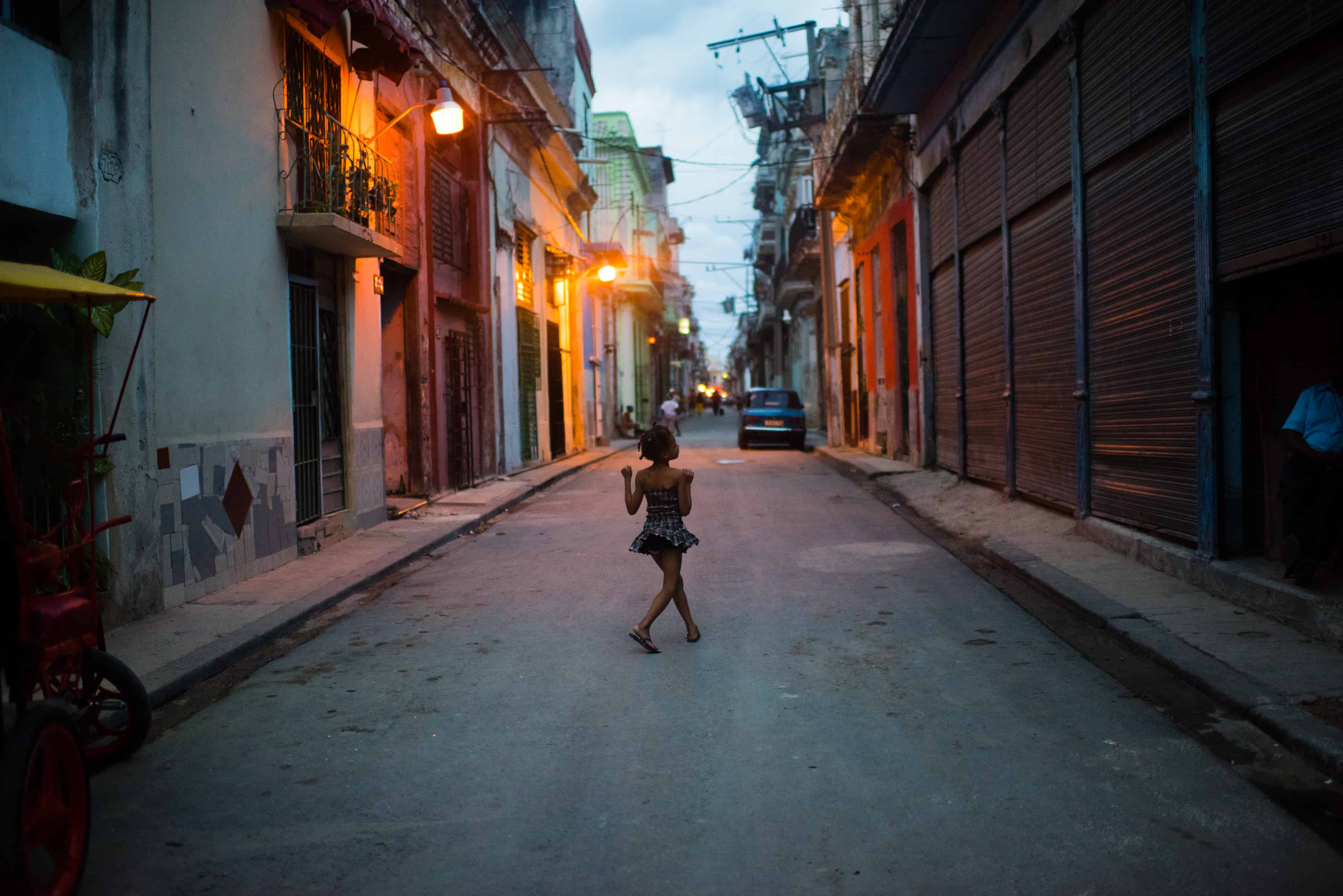
For ordinary Cubans, the immediate question is not ideology but whether the measures will ease daily hardship. Many residents are coping with long power outages, unreliable transportation, high prices and shortages of basic goods. Previous rounds of limited liberalization created space for private businesses, but were often slowed by bureaucracy, currency controls, shifting rules and political resistance.
The new package could give private entrepreneurs more room to operate if it is fully implemented. It could also create new openings for foreign capital and Cuban expatriate investment. But analysts have warned that sanctions, weak institutions, poor infrastructure and a lack of trust in the government could limit the impact.
That uncertainty is central to Washington’s criticism. The United States is signaling that it will not treat the reforms as a meaningful opening unless they are matched by broader political change and legal guarantees for investors, businesses and citizens.
Havana is making the opposite argument: that the economic crisis has been intensified by U.S. pressure and that Cuba needs room to restructure without foreign intervention.
The reforms now move from political announcement to implementation. That is where previous Cuban reform efforts have often stalled. If the government follows through, the package could reshape parts of the island’s economy. If not, Washington’s “smoke signals” line may become the shorthand for another promise of change that never reached Cuban households.





