

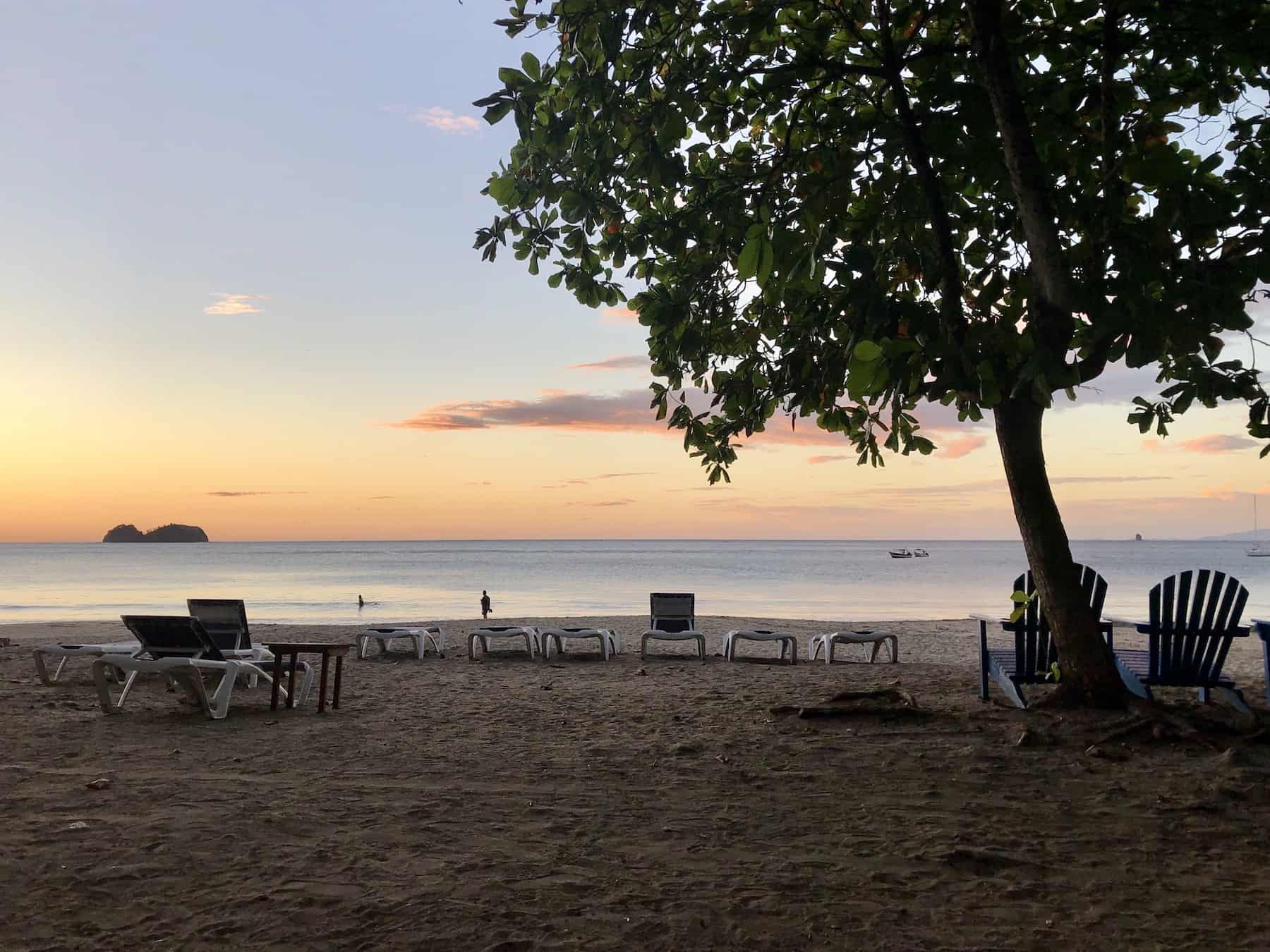
Costa Rica could see several days of better weather as the Veranillo de San Juan, our country’s traditional late-June dry spell, begins to influence conditions across much of the Pacific coast and Central Valley. The short break is expected to bring sunnier mornings, less frequent afternoon rain and improved conditions in many areas after weeks of heavy downpours, rough seas and travel disruptions.
The shift would not end the rainy season, but it could mean sunnier mornings, fewer afternoon downpours and better conditions for travelers moving around the country. The latest outlook from the National Meteorological Institute (IMN) points to a clear reduction in rainfall over the Pacific and Central Valley beginning in mid-June and continuing toward early July. The driest signal is expected in the Pacific and the Central Valley, while the Caribbean is forecast to remain wetter than normal.
That regional split matters. Visitors in Guanacaste, the Central Pacific, the South Pacific and the Greater Metropolitan Area may see better conditions than they have had recently. On the Caribbean side, including Limón, Cahuita, Puerto Viejo and Tortuguero, rain could remain more frequent.
The Veranillo de San Juan is one of Costa Rica’s better-known weather pauses during the rainy season. It normally occurs around June 24, near the feast day of San Juan Bautista, and can last roughly three to five days. It is usually most noticeable in Guanacaste and the Central Valley, though its strength and timing change from year to year.
For all of us here, the timing is a welcome relief. Earlier this month, Tropical Storm Cristina and unstable weather brought flooding concerns, rough Pacific seas and emergency alerts across Costa Rica. Authorities kept yellow alerts for the Pacific and Central Valley and green alerts for the Caribbean and Northern Zone as the storm system affected the country.
The rough seas were especially dangerous in Guanacaste, where small boats overturned off the coast during the storm period and search operations were launched for missing fishermen.
The upcoming break does not mean anyone should ignore normal rainy season precautions. Afternoon showers and thunderstorms can still develop, especially in mountain areas and along parts of the Pacific. Roads in rural and coastal areas may also remain affected by saturated soil, potholes, fallen material or swollen rivers after days of rain.
For beachgoers, the better weather could improve visibility, road access and outdoor plans, but ocean conditions should still be checked locally before swimming, surfing or boating. Costa Rica’s Pacific can still be hazardous even after skies clear.
The broader pattern also fits with the developing El Niño conditions. Forecasts for June point to drier-than-normal conditions in the Pacific and Central Valley, while the Caribbean could see above-normal rainfall. The Pacific Central region may become especially dry toward the final week of June and early July. That gives Costa Rica a mixed forecast: better news for many of the main tourist routes, but not a clean nationwide dry spell.
The Veranillo de San Juan could give Costa Rica a short window of calmer weather after weeks of rain, rough seas and travel disruptions. Therefore you should make the most of clearer mornings, keep afternoon plans flexible, and continue checking official forecasts before heading into remote areas, beaches or mountain roads.





